Beyond the Insoles: 7 Sports Injuries That Require Custom Orthotics
Staying active and playing your favourite sports is a fantastic way to keep fit, but it can also take a heavy toll on your body. When a foot or leg injury sidelines you, it is common to grab a generic gel insert from a local pharmacy, yet these rarely solve the underlying issue. Mass-produced inserts only offer basic cushioning, whereas structural imbalances require personalized support to heal correctly.
If you want to protect your body and get back in the game, getting custom orthotics in Whitby is one of the most effective steps you can take for your long-term mobility. Personalized medical shoe inserts do not just mask the pain; they realign your joints, balance weight distribution, and treat the absolute root cause of your athletic injury.
What is the True Value of Custom Insoles?
Many athletes assume that all shoe inserts do the same job, but there is a massive difference in how they affect your body. Generic store-bought inserts are made to fit average shoe sizes using soft foams that flatten out within a few weeks of use.
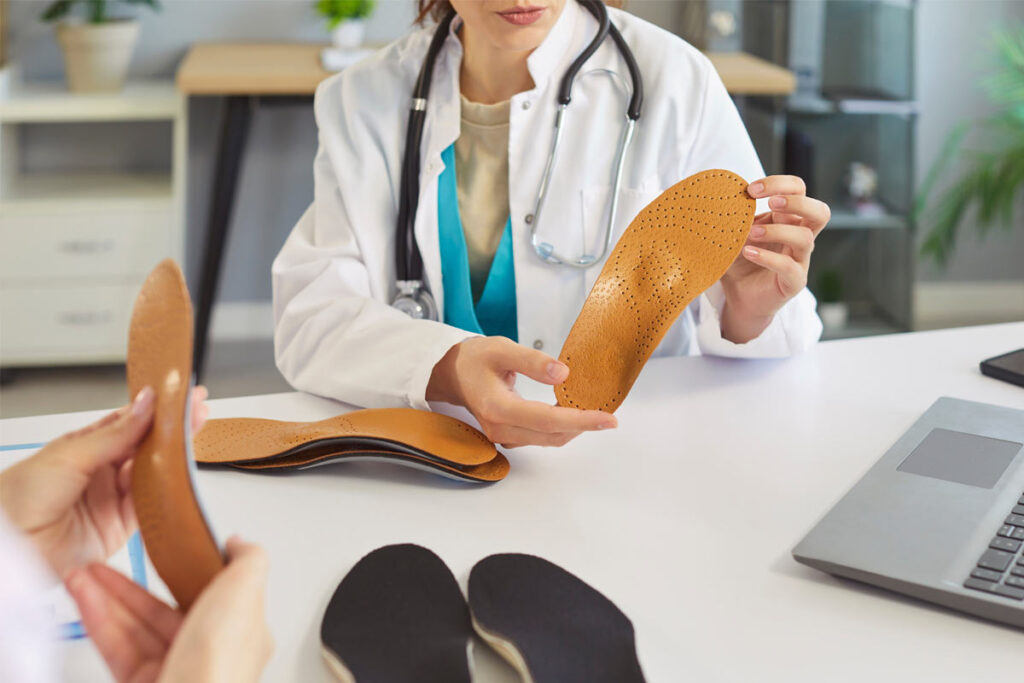
In contrast, custom orthotics are medical devices built from exact three-dimensional impressions of your feet using durable materials. They are engineered to withstand high-velocity sports forces while correcting your specific skeletal alignment.
- Biomechanical Correction: Tailored inserts physically alter the way your foot strikes the ground during movement. They prevent abnormal rolling motions that place immense strain on your muscles and tendons. This targeted support restores natural motion and helps prevent future injuries.
- Precision Impact Absorption: Sports place immense pressure on your lower joints with every single stride. Personalized inserts are designed to distribute these heavy shock forces evenly across the entire surface of your foot. This stops specific bones and joints from taking a repetitive, localized beating.
- Long-Term Structural Durability: Mass-market inserts are crafted from cheap materials that degrade rapidly under athletic stress. Medical-grade custom orthotics retain their shape and supportive properties for a very long time. This gives your feet reliable, continuous protection throughout multiple sports seasons.
7 Sports Injuries That Require Custom Orthotics
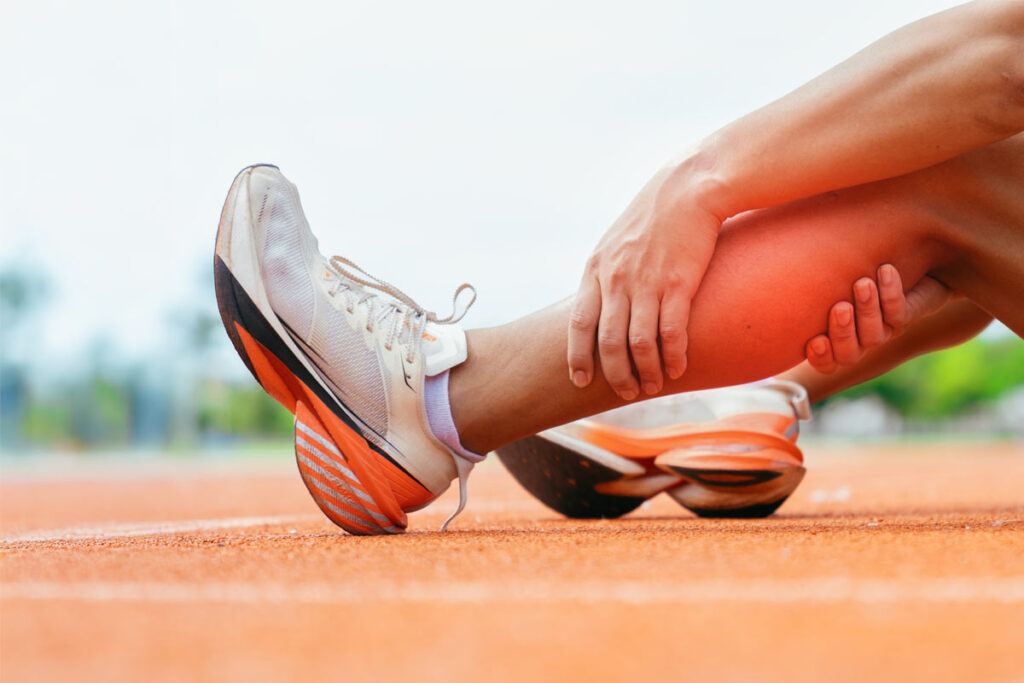
Active individuals face unique physical strains depending on their sport of choice, from running on hard pavement to making sudden pivots on a field. When structural flaws are present, these repetitive movements quickly lead to painful, chronic conditions that rest alone cannot fix.
1.Plantar Fasciitis
Waking up with a sharp, stabbing sensation in your heel is a clear sign that the thick band of tissue under your foot is severely inflamed. Plantar fasciitis often plagues local runners who log miles on hard outdoor surfaces without adequate structural support.
- Arch Collapse Prevention: The primary job of the insert is to keep your arch from flattening out completely when you walk or run. By maintaining a stable arch, the insert prevents the plantar fascia tissue from overstretching and tearing. This allows the inflamed tissue to heal even while you remain relatively active.
- Targeted Heel Cushioning: The heel area of a personalized insert is deeply contoured to cradle the back of your foot. This specific shape reduces the direct vertical pressure placed on the painful attachment point of the heel bone. It ensures that every step you take is cushioned against harsh impacts.
- Tension Force Reduction: When your foot rolls inward too much, it places an unnatural pulling force on the bottom of your foot. Custom orthotics keep your foot in a neutral position to eliminate this constant, micro-damaging tension. This mechanical relief is vital for long-term recovery from chronic heel pain.
2. Shin Splints (Medial Tibial Stress Syndrome)
A throbbing ache along the inner edge of your shinbone can make running, jumping, or playing soccer feel completely unbearable. This injury is a direct result of repetitive pounding combined with poor foot alignment that forces your lower leg muscles to work under extreme strain.
- Tibial Stress Distribution: The personalized insert ensures that the shock from hard ground impacts does not travel directly up your shinbone. By spreading the impact force across the whole foot, it takes the pressure off the overworked bone tissue.
- Muscle Strain Alleviation: When your arches collapse, the muscles attached to your shin must pull much harder to keep you stable. Custom orthotics keep the foot properly aligned so these leg muscles can operate within their normal range.
- Shock Absorption Improvement: Standard athletic shoes often lack the dense material needed to absorb heavy forces on local running paths. Tailored inserts introduce dense, shock-absorbing layers exactly where your foot needs them most.
3. Achilles Tendonitis
The thick tendon connecting your calf muscles to your heel can become stiff, irritated, and highly painful after explosive movements like sprinting or playing tennis. Without proper intervention, this tendon can suffer micro-tears that lead to long recovery periods or severe structural failure.
- Tendon Alignment Stabilization: An inward-rolling foot twists the Achilles tendon like a wrung towel every time you take a stride. Custom orthotics stabilize the heel bone to ensure the tendon moves in a straight, natural line.
- Structural Strain Relief: Many personalized inserts for this condition include a subtle, built-in heel lift. Elevating the heel slightly shortens the distance the calf muscle needs to stretch during movement.
- Explosive Movement Protection: Sudden stops, jumps, and rapid acceleration place immense load forces on the back of your ankle. The supportive heel cup of a tailored insert dampens these abrupt forces before they reach the tendon.
4. Runner’s Knee (Patellofemoral Pain Syndrome)
A dull, constant ache behind or around your kneecap often stems from a mechanical issue starting at the very bottom of your kinetic chain. When your feet lack proper stability, it forces your upper leg bones to rotate incorrectly, causing your kneecap to grind painfully against the joint.
- Kinetic Chain Alignment: Aligning the foot properly creates a stable foundation that keeps the ankle and shin bones from twisting inward. This structural corrections travels upward to ensure the knee joint stays perfectly stacked during movement.
- Patellar Tracking Correction: When your lower leg rotates incorrectly, your kneecap is pulled out of its natural groove. Custom orthotics stop this internal rotation so the kneecap can track smoothly up and down.
- Joint Pressure Mitigation: Repetitive bending under poor alignment places uneven load pressures on the back of the knee joint. Tailored inserts balance the ground forces to ensure the knee shares the workload evenly.
5. Stress Fractures of the Foot (Metatarsals)
Tiny, painful cracks in the long bones of your midfoot can occur when your feet are unable to manage repetitive impacts. This is especially true for athletes with high, rigid arches that naturally fail to absorb shock or those with uneven weight distribution.
- Vulnerable Bone Offloading: The surface of the insert is contoured to shift your body weight away from the cracked or weakened bone. By redistributing the pressure to healthier areas of the foot, the injured bone gets the rest it needs to knit back together.
- Rigid Arch Adaptation: High arches have very little surface area contacting the ground, which concentrates all the impact force on the heel and ball of the foot. Custom orthotics fill the empty space beneath a high arch to maximize ground contact.
- Structural Deflection Management: Active sports require your feet to flex and bend under heavy loads. A personalized insert controls this flexing motion to prevent the metatarsal bones from bending beyond their structural limits.
6. Morton’s Neuroma
Feeling like you are permanently standing on a sharp pebble or a folded sock inside your shoe indicates that a nerve in your foot is pinched and swollen. Morton’s Neuroma is common in sports that require tight footwear, such as cycling, skiing, or field sports with cleats.
- Metatarsal Bone Separation: These inserts can be built with a small pad placed just behind the ball of the foot. This pad gently spreads the long metatarsal bones apart as you step down. Opening up this skeletal space stops the bones from squeezing and irritating the nerve.
- Forefoot Pressure Redistribution: Excessive pressure on the ball of the foot aggravates nerve inflammation during running or jumping. Custom orthotics spread this forefoot pressure across a wider zone to give the nerve a chance to rest.
- Tight Footwear Accommodation: Athletic shoes like cleats often compress the sides of the foot, forcing the bones together. A tailored insert is shaped to counteract this lateral compression within the specific constraints of your sports footwear.
7. Chronic Ankle Sprains and Instability
Repeatedly rolling your ankle during lateral movements creates stretched-out ligaments and a constant fear that your joint will give out. This issue is highly common in basketball, tennis, and trail running, where sudden changes in direction are required.
- Lateral Roll Prevention: The outer edge of the insert can be slightly raised or reinforced to prevent the foot from tilting too far outward. This physical barrier stops the ankle from rolling over the edge during a sudden pivot.
- Deep Heel Stabilization: A deep, rigid heel cup holds the back of your foot firmly in place to prevent side-to-side wobbling. Keeping the heel stable provides a secure foundation for the entire ankle joint.
- Balance and Awareness Support: Firm contact between the bottom of your foot and a tailored insert improves your body’s natural awareness of its position. This enhanced feedback helps your leg muscles react faster to uneven ground surfaces.
Let PARC of Ontario Help You Move Pain-Free!
At PARC of Ontario, we are fully committed to helping patients regain their mobility, reduce physical pain, and achieve their athletic goals. Our team takes the time to assess your unique walking pattern and structural needs to provide the exact relief your body requires.
Call us today at (905) 579-9938 to schedule your comprehensive assessment and discover how custom orthotics in Whitby can transform your athletic performance.