Do Orthotics Really Help with Foot Alignment?
Foot alignment affects how you stand, walk, and move throughout the day. When your feet are not properly aligned, it can lead to pain, discomfort, and joint problems. Many people turn to orthotics as a solution, but do they actually help?
Foot Alignment and Its Impact on Health
Foot alignment refers to the way your bones, muscles, and joints work together. When everything is in the correct position, weight is evenly distributed, reducing strain on your feet and legs. Poor alignment can lead to discomfort and affect other parts of your body, such as your knees, hips, and back.
Common Signs of Poor Foot Alignment
Changes in how you walk or stand can indicate a problem with foot alignment. Recognizing these signs early can help you determine whether orthotics may be necessary to provide support and relief.
Foot pain, especially in the heels or arches, can be a sign of misalignment. When your feet do not absorb shock properly, stress builds up in certain areas, leading to discomfort. Over time, this can result in chronic pain that affects daily activities like walking or standing for long periods.
If one side of your shoes wears out faster than the other, it may indicate an imbalance in your gait. This uneven wear suggests that your feet are not distributing pressure evenly, which can gradually worsen misalignment. Without correction, this can lead to foot pain, joint strain, and an increased risk of injury.
Poor foot alignment affects more than just your feet—it impacts your entire posture. When your feet do not provide a stable foundation, your knees, hips, and lower back compensate for the imbalance. This added strain can cause discomfort and long-term joint issues, making daily movement more difficult.
Causes of Foot Misalignment
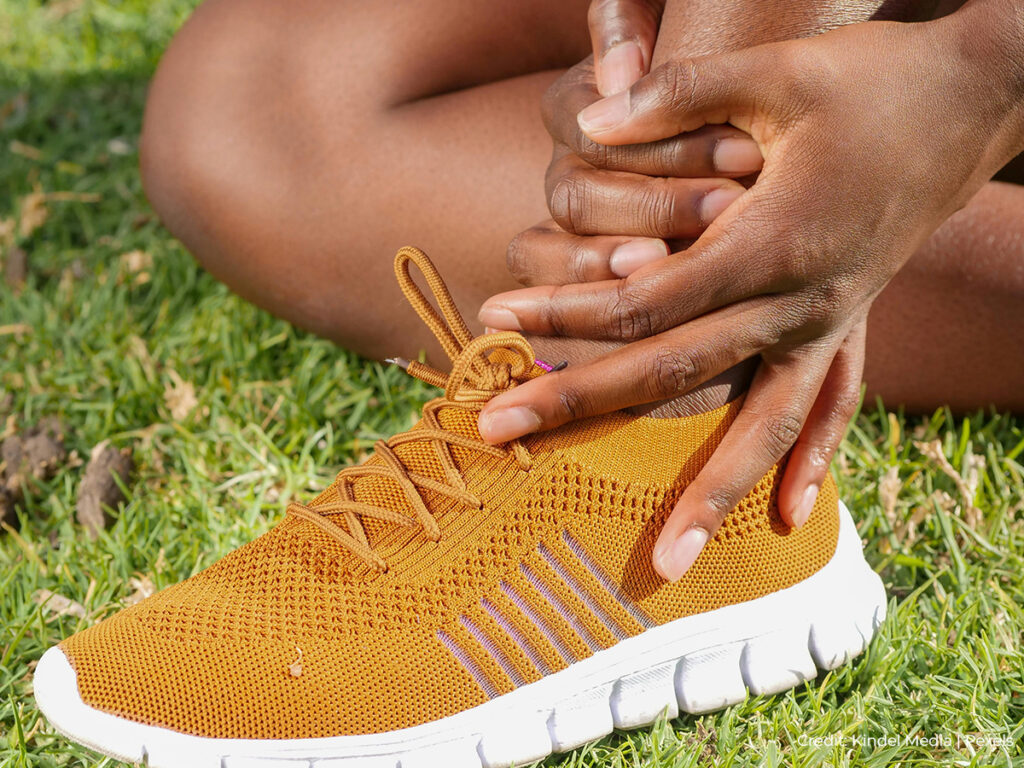
Foot misalignment can develop due to structural issues or external factors that affect how you walk. Identifying the cause can help determine whether orthotics are needed to correct the problem and prevent further discomfort.
- Genetics and Structural Differences
Some people are born with foot conditions like flat feet or high arches, which affect how weight is distributed. These structural differences can make it harder for the feet to maintain proper alignment while walking or standing. Without support, they may lead to pain, instability, and increased strain on the joints over time.
- Injury and Muscle Imbalances
Ankle sprains, fractures, or even weak foot muscles can alter the way your feet function. When an injury changes your gait, the body compensates by shifting pressure to other areas, which can disrupt alignment. If left uncorrected, these imbalances can lead to long-term discomfort and joint strain.
Wearing unsupportive shoes, like high heels or flip-flops, changes how pressure is distributed across the feet. Over time, this can cause the arches to collapse or force the feet into unnatural positions. Consistently wearing improper footwear increases the risk of foot misalignment and related pain.
How Orthotics Help Correct Foot Alignment
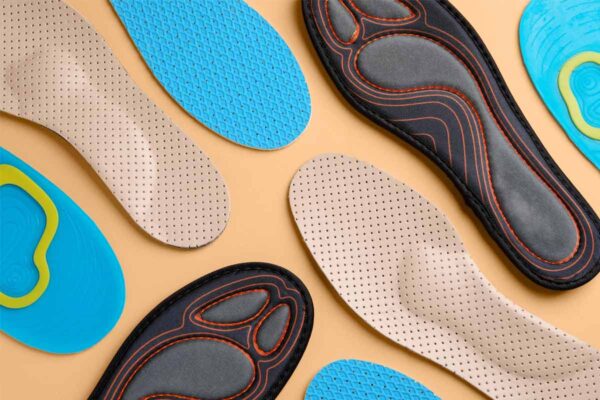
Orthotics are specially designed shoe inserts that provide extra support. They help adjust foot positioning, relieve pressure, and promote stability. Many people use orthotics to correct misalignment and improve comfort while walking or standing.
Types of Orthotics and Their Functions
Orthotics come in different types, each designed to address specific foot alignment issues. Understanding their functions can help you choose the right support for your needs.
- Custom vs. Over-the-Counter Orthotics
Custom orthotics are made to fit your unique foot shape and provide targeted support. Over-the-counter options offer general cushioning and mild correction but lack personalized adjustments.
Rigid orthotics control movement and prevent excessive pronation, while soft ones provide extra padding and reduce pressure points. The right type depends on your condition and needs.
How Orthotics Improve Foot Alignment
Orthotics help realign the feet by providing support and correcting imbalances in how pressure is distributed. They reduce strain on the muscles and joints, improving stability and overall posture.
Orthotics help distribute weight evenly across the foot, preventing excessive inward (pronation) or outward (supination) rolling. When the arches are properly supported, the feet maintain better stability, reducing unnecessary strain on the muscles and ligaments. This prevents long-term issues like plantar fasciitis and discomfort caused by poor weight distribution.
- Encourages Proper Foot Positioning
By guiding the foot into a neutral position, orthotics help correct imbalances that affect how you walk and stand. This realignment reduces stress on the knees, hips, and lower back, preventing posture-related pain. Over time, proper foot positioning improves movement efficiency and lowers the risk of further misalignment.
- Reduces Joint and Muscle Stress
Poor foot alignment puts extra pressure on the joints, leading to discomfort in the ankles, knees, and back. Orthotics absorb shock and provide cushioning, reducing the impact on weight-bearing joints. This added support helps prevent muscle fatigue and allows for smoother, pain-free movement.
Who Should Consider Using Orthotics?
Orthotics are useful for people with persistent foot pain or alignment issues. They provide support, relieve pressure, and help prevent further complications.
Individuals with Chronic Foot Pain
Chronic foot pain can affect mobility and overall comfort, making daily activities more difficult. Many individuals experience ongoing discomfort due to structural issues, injury, or improper footwear.
- Plantar Fasciitis and Arch Pain
Plantar fasciitis occurs when the thick band of tissue along the bottom of the foot becomes inflamed due to excessive strain. Orthotics cushion the heel and provide arch support, reducing pressure on the plantar fascia. By minimizing stress in this area, they help relieve pain and prevent further irritation.
- Flat Feet and High Arches
Flat feet can cause excessive inward rolling (overpronation), while high arches can lead to instability and poor shock absorption. Orthotics provide structured support to prevent overpronation in flat feet and offer extra cushioning for high arches. This improves overall foot function and reduces strain on the ankles, knees, and lower back.
- Heel Spurs and Foot Fatigue
Heel spurs are bony growths that develop on the heel due to prolonged strain on the foot. Orthotics help by cushioning the heel and redistributing pressure, reducing irritation and discomfort. By providing proper support, they also prevent foot fatigue, allowing for pain-free movement throughout the day.
Athletes and Active Individuals
Athletes and active individuals put constant stress on their feet, increasing the risk of misalignment and injury. Orthotics provide the necessary support to improve stability, absorb shock, and enhance performance.
- Runners – Reduce impact on joints and prevent overuse injuries.
- Basketball Players – Improve balance and ankle stability during quick movements.
- Soccer Players – Support foot mechanics for better agility and reduced strain.
- Hikers – Provide cushioning and arch support for long-distance walking.
- Dancers – Help distribute pressure evenly to prevent foot fatigue and pain.
People with Medical Conditions
Certain medical conditions can affect foot alignment, leading to discomfort and mobility issues. Orthotics help provide support and relief by correcting imbalances and reducing strain on the feet.
- Diabetes – Helps prevent pressure sores and reduces the risk of foot ulcers.
- Arthritis – Provides cushioning to ease joint pain and improve mobility.
- Neuropathy – Enhances stability and protects against foot injuries due to numbness.
- Cerebral Palsy – Supports proper foot positioning to improve balance and movement.
- Multiple Sclerosis – Aids in foot support to reduce fatigue and walking difficulties.
Workers Who Stand for Long Hours
Standing for long hours can put excessive pressure on the feet, leading to pain and fatigue. Orthotics provide cushioning and support to reduce strain and improve comfort throughout the day.
- Retail Workers – Prevent foot soreness from prolonged standing on hard surfaces.
- Healthcare Professionals – Reduce strain on the feet during long shifts.
- Restaurant Staff – Improve stability and comfort for those constantly on their feet.
- Factory Workers – Minimize foot fatigue caused by standing on concrete floors.
- Teachers – Provide arch support to ease discomfort from extended periods of standing.
Choosing the Right Orthotics for Your Needs

Finding the right orthotics depends on your foot type, activity level, and medical needs. Some people benefit from custom inserts, while others find relief with over-the-counter options.
Custom vs. Over-the-Counter Orthotics
There are two main types of orthotics available: custom orthotics and over-the-counter insoles. Custom orthotics are designed specifically for an individual’s foot structure and needs, providing targeted support and correction. They are typically prescribed by a specialist and can be more expensive, but they offer superior alignment and pain relief.
Over-the-counter insoles, on the other hand, are a more affordable option that provides general support and cushioning. While they can help with minor discomfort, they do not offer the same level of correction as custom orthotics. People with specific foot conditions or chronic pain may find that over-the-counter options are not sufficient for long-term relief.
Getting a Professional Foot Assessment
A podiatrist or physiotherapist plays a key role in determining whether orthotics are necessary and which type will provide the best support. They conduct a thorough evaluation of your gait, foot structure, and any existing issues that may contribute to misalignment or pain. By analyzing how you walk and stand, they can identify pressure points, abnormal movement patterns, and areas of strain. This professional assessment ensures that you receive orthotics tailored to your specific needs rather than relying on a one-size-fits-all solution.
Getting the right fit is essential because improperly fitted orthotics can do more harm than good. A podiatrist or physiotherapist can customize the design, ensuring proper arch support, heel cushioning, and weight distribution. They may also recommend additional adjustments over time as your feet adapt. This professional guidance not only enhances comfort but also prevents further complications, allowing you to move more efficiently and without unnecessary strain.
Find the Right Support with PARC of Ontario for Orthotics in Ajax
Finding the right orthotics can make a big difference in comfort and mobility. At PARC of Ontario, we provide professional assessments to ensure you get the right fit for your needs. Whether you need custom inserts or advice on foot health, our team is here to help. Call us at (905) 686-9081 to book an appointment today and take the first step toward better foot alignment with orthotics in Ajax!