Are You Wearing Custom Orthotics in the Wrong Shoes?
Key Takeaways
- Remove Factory Insoles: Always remove the existing shoe footbeds before inserting custom orthotics to prevent crowding and improper heel elevation.
- Prioritize Structure Over Flexibility: Ideal shoes require a rigid heel counter, a firm midfoot shank (torsional rigidity), and a wide toe box to allow orthotics to function properly.
- Avoid Flat or Sloped Soles: Wearing orthotics in worn-down shoes or thin canvas slip-ons negates their biomechanical alignment benefits.
- Allow a 2-Week Adjustment Period: Gradually increase wear time to give your feet, arches, and leg muscles time to adapt to proper posture.
- Schedule Annual Inspections: Have your orthotics and everyday footwear evaluated by a clinical professional every 12 to 18 months to ensure ongoing support.
You invested time and resources into getting personalized prescription insoles to eliminate foot discomfort, heel pain, or lower back soreness. Yet, weeks after wearing them, your feet still ache at the end of the day.
When prescription foot supports fail to deliver relief, the issue is rarely the insert itself. More often, the problem lies directly beneath it: your footwear. Placing precise orthotic devices in improper footwear neutralizes their biomechanical benefits, leading to joint strain and skin irritation.
Whether you commute on Line 2, walk through Scarborough Town Centre, or work long shifts on concrete floors across the Greater Toronto Area, pairing prescription inserts with compatible footwear is vital for lasting relief. Seeking custom orthotics in Scarborough is only the first step; ensuring your daily shoes accommodate them properly is what makes the difference.
Why Should You Consider Custom Orthotics in Scarborough?
Direct Answer: Custom orthotics in Scarborough address biomechanical imbalances like overpronation, plantar fasciitis, and high arches by realigning structural joints and redistributing pressure across the foot, specifically mitigating ground-reaction force caused by walking on hard urban concrete and asphalt.
Every step you take on hard suburban pavement transmits mechanical force up through your feet, ankles, knees, and lower back. Individuals seeking prescription inserts often do so to correct structural misalignments before joint damage worsens over time.
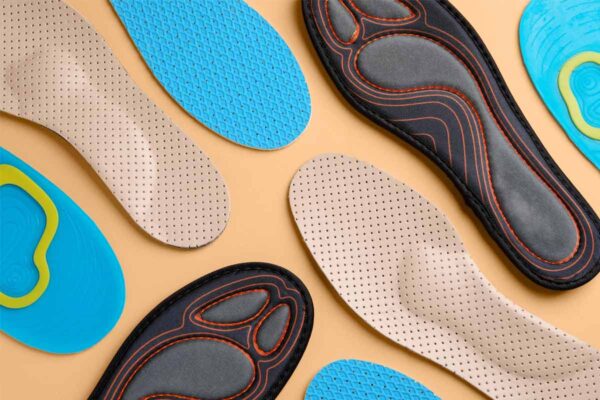
Unlike off-the-shelf insoles found at retail pharmacies, prescription orthotics are fabricated from three-dimensional impressions or digital scans of your feet. They realign structural joints, relieve pressure points, and distribute body weight evenly across the plantar surface.
Key Drivers for Local Footwear Compatibility
- Daily Transit & Work Commutes: Walking long stretches along major arteries such as Ellesmere Road, Lawrence Avenue, or Markham Road subjects your joints to thousands of repetitive impacts each day on unyielding concrete.
- Seasonal Variations: Winter conditions across Ontario force residents into heavy insulated boots, while summer calls for lighter walking footwear. Switching between shoe types without adjusting orthotic fit can alter your stride.
- Active Recreation: Taking weekend walks around the Scarborough Bluffs or Rouge National Urban Park requires footwear that stabilizes the heel while allowing your orthotics to function properly on uneven terrain.
When prescribed following a thorough gait evaluation, personalized orthotic devices help manage conditions such as bunions, shin splints, Achilles tendonitis, and arthritic joint pain. Randomized clinical evaluations compiled on PubMed confirm the overall efficacy and safety of foot orthoses in significantly reducing chronic heel pain and functional limitations. However, their physical structure must work in tandem with the shoe encasing them.
How Do You Know if Your Shoes Are Ruining Your Custom Orthotics?
Direct Answer: Footwear ruins custom orthotics when factory insoles are left inside, soles are worn unevenly, or shoe walls lack depth and torsional rigidity, causing the orthotic shell to tilt, compress, or slip out of alignment during gait.
Even high-grade orthotic inserts cannot overcome the structural limitations of inadequate footwear. Placing a prescription device in a shoe that lacks depth or stability distorts the insert, throwing your alignment off balance.
Diagnostic Indicators of Footwear Misalignment
- Insole Stacking: Slipping your orthotics directly on top of the factory insoles that came with your shoes reduces interior vertical depth by 3mm to 6mm, raising your heel out of the heel cup.
- Toe Box Crowding: Squeezed forefoot digits or lateral rubbing against the shoe lining indicate inadequate toe box width to accommodate both foot volume and the orthotic base.
- Lateral Tilting: An orthotic leaning sideways inside the shoe signifies a collapsed midsole, forcing the foot to roll inward or outward regardless of built-in arch corrections.
- Persistent Friction & Blisters: Movement of the insert inside the shoe creates continuous friction against the skin, producing arch or heel blisters within 30 minutes of walking.
Inserting corrective inserts into footwear worn down on the outer sole ruins the therapeutic benefits of the device. If the bottom of your shoe is sloped from past wear, the orthotic will sit on an uneven surface, continuing to misalign your joints.
What Features Make a Shoe Compatible with Custom Orthotics?
Direct Answer: Compatible shoes must feature a fully removable factory insole, a rigid rearfoot heel counter, firm torsional rigidity across the midfoot shank, a neutral 4mm–10mm heel drop, and a wide, rounded toe box.
Finding the right shoe for your inserts does not mean you have to wear bulky or unappealing footwear. Modern shoe brands offer options designed to fit prescription orthotics seamlessly. A systematic review published in the Journal of Sports Science and Medicine highlights that specific footwear construction parameters directly interact with biomechanical interventions to alter lower-limb loading and dynamic movement patterns.
| Shoe Structural Element | Technical Requirement | Clinical Biomechanical Purpose | Risk of Non-Compliance |
|---|
| Removable Insole | 100% full-length removal (heel to toe) | Preserves internal volume and prevents vertical foot displacement | Insole stacking, severe heel slipping, forefoot cramping |
| Heel Counter | Rigid composite or reinforced leather back | Maintains neutral calcaneal positioning inside the orthotic heel cup | Rearfoot wobble, unstable ankle gait, lateral friction |
| Torsional Shank | Midsole resists twisting under manual force | Provides a stable horizontal platform for the orthotic arch shell | Arch collapse, midfoot strain, premature orthotic wear |
| Toe Box Profile | Anatomical wide width (D/EE sizing where needed) | Allows natural digital splay during gait push-off phase | Neuromas, bunion irritation, hammertoe pressure points |
| Heel Drop | 4mm to 10mm neutral elevation gradient | Reduces Achilles tendon tension without pushing weight onto metatarsals | Metatarsalgia, forward slippage against toe cap |
Recommended Shoe Categories
- Neutral Running & Walking Shoes: Built with removable insoles and rigid midfoot support, making them ideal for daily wear. Research indexed on PubMed Central (PMC7419364) demonstrates that pairing supportive footwear with custom orthotic materials (such as high-density TPU or EVA) significantly improves dynamic foot kinematics and load distribution during movement.
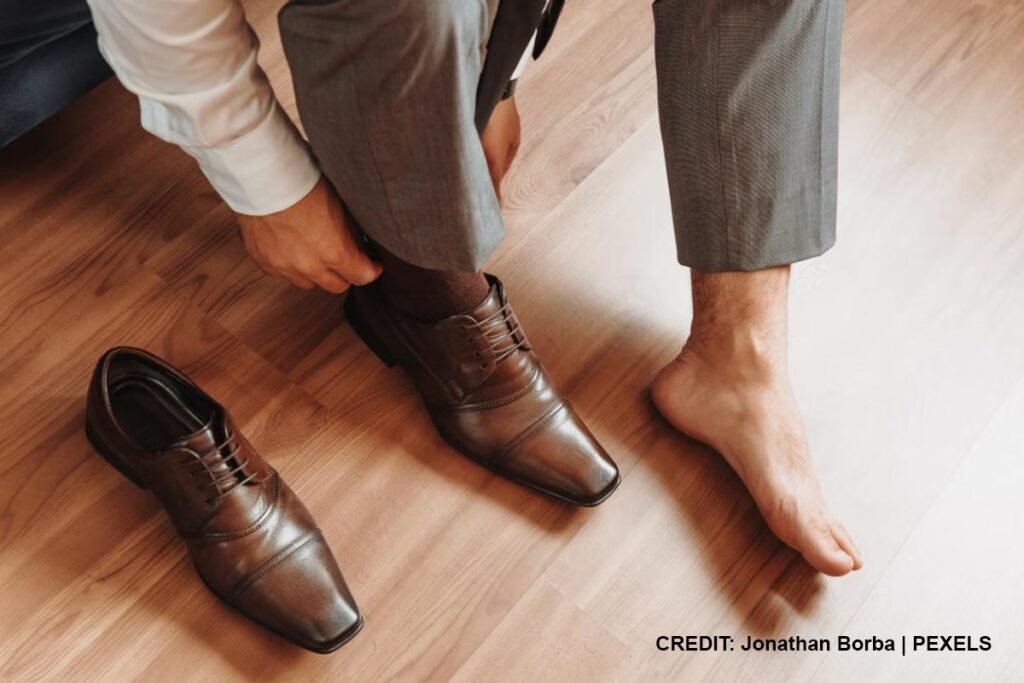
- Orthopedic & Support Dress Shoes: Designed with extra depth, allowing you to wear orthotics in professional settings without sacrificing appearance.
- Deep Winter Boots: Provide the interior volume needed for thicker, insulated orthotics during Ontario winters.
Footwear to Avoid
- Flimsy Canvas Slip-Ons: Lack heel counters and torsional support, causing orthotics to slide out of position.
- High Heels & Pointed Pumps: Shift body weight onto the ball of the foot, rendering arch supports useless while cramping the toes.
- Narrow Loafers: Rarely feature removable insoles, which can cause severe midfoot compression when orthotics are inserted.
How Do You Properly Break In Orthotics and New Shoes Together?
Direct Answer: Safely breaking in custom orthotics with new shoes requires a progressive 14-day wear schedule starting at 1–2 hours daily, allowing tendons and intrinsic foot muscles to adapt without causing soft tissue inflammation.
Combining new prescription foot supports with a fresh pair of shoes requires a gradual adjustment period. Your feet, muscles, and tendons need time to adapt to corrected structural alignment.
1. Days 1 to 3: Initial Adaptation
- Wear for 1 to 2 hours daily during light activity.
- Place your new orthotics into approved shoes with factory insoles removed. Wear them around your home or during brief periods of light walking to gauge initial comfort.
2. Days 4 to 7: Incremental Wear
- Increase wear time by 1 to 2 hours each day.
- Expand daily use to normal routines, such as running errands or working desk shifts. Slight muscle fatigue in the arches or calves is normal as your posture adjusts.
3. Days 8 to 14: Full-Day Integration
- Transition to full-time daily and physical activity.
- Wear the combination through entire workdays or active walking routines. By the end of two weeks, the shoes and orthotics should feel completely natural.
Distinguishing Normal Adaptation from Red Flags
- Normal Adaptation: Mild arch stiffness, slight calf tiredness, or a sensation of sitting higher in your shoes during the first week.
- Red Flags: Sharp joint pain, severe heel numbness, skin redness that does not fade after 20 minutes, or blisters. If these occur, stop wearing the inserts and contact your prescribing clinician for a fitting adjustment.
When Should You Get Your Orthotics Checked by a Local Clinic?
Direct Answer: Get orthotics evaluated every 12 to 18 months, or immediately if you notice top cover cracking, returning arch/heel pain, structural shell distortion, or after major life events such as pregnancy or surgery.
Prescription inserts are durable, but they do not last indefinitely. Environmental exposure, daily steps, and changing body mechanics alter how your inserts function over time.
Average Lifespan Metrics
Most devices remain effective for 1 to 3 years. Active runners or individuals working long shifts on hard surfaces may need replacements sooner than those using them for light daily activities.
Indicators You Need a Follow-Up Evaluation
- Material Wear: The top cover is cracking, peeling, or worn thin down to the underlying shell.
- Return of Symptoms: Foot pain, heel soreness, or lower back stiffness begins returning despite consistent use.
- Lifestyle Changes: Significant changes in body weight, pregnancy, or the start of a high-impact exercise routine can alter your foot biomechanics.
- New Footwear Needs: Switching to specialized boots or athletic footwear may require adjusting the thickness or shape of your existing insert.
Bringing your primary shoes to follow-up visits allows your clinician to evaluate how your orthotics interact with your everyday footwear.
Schedule Your Footwear & Biomechanical Assessment at PARC of Ontario
If your prescription foot supports are slipping, causing discomfort, or failing to relieve foot pain, improper shoe pairing may be the culprit. At PARC of Ontario, clinicians assess lower limb mechanics and verify that your prescription devices fit properly in your daily footwear.
For patients interested in obtaining custom orthotics in Scarborough, our team provides comprehensive evaluations and gait analysis to craft inserts tailored to your specific biomechanical needs.
- Comprehensive Evaluations: Complete gait and foot structure assessments to identify the root cause of your pain.
- Direct Billing: We handle direct insurance billing and coordinate with WSIB to streamline your rehabilitation care.
- Convenient Access: Visiting our Scarborough clinics on Ellesmere Road or Scarborough West offers accessible care, flexible scheduling, and free on-site parking.
Take the step toward walking comfortably again. Call us today at (905) 579-9938 to book your evaluation and make your footwear work for you.