The Complete Runner’s Nutrition Guide: What to Eat Before, During, and After Your Run
Running performance depends directly on the biological fuel provided through daily dietary intake. The human body converts chemical energy from food into mechanical work, allowing skeletal muscles to contract continuously. Without an adequate supply of these food substrates, matching the physical demands of training becomes impossible. This lack of fuel results in reduced speed, lower endurance, and compromised physiological function. Consuming a balanced mix of carbohydrates for glucose, proteins for muscle maintenance, and dietary fats establishes a stable metabolic foundation.
Proper nutritional preparation prevents the sudden depletion of glycogen stores, commonly termed hitting the wall or bonking. When glycogen reserves drop below a critical threshold, muscles experience severe exhaustion. The central nervous system then limits physical output to protect vital organs from permanent injury. Proactive fuelling ensures consistent energy delivery throughout a workout. This straightforward strategy directly protects runner health, improves structural recovery, and enhances overall daily athletic training outcomes.
Ideal Pre-Run Meals for Sustained Energy
Pre-exercise nutrition focuses on maximizing liver and muscle glycogen levels while minimizing gastrointestinal distress during movement. The selection of foods must favour items that digest efficiently and release glucose steadily into the bloodstream. Runners should consume these meals two to four hours before activity to allow complete gastric emptying.
- Oatmeal with Sliced Bananas: This classic combination delivers a high volume of low-glycaemic carbohydrates that stabilise blood glucose levels. Bananas add essential potassium, an electrolyte lost through sweat, which supports proper muscle contractions. This meal ensures a steady supply of energy without causing sudden insulin spikes before exercise begins.
- Whole-Grain Toast and Almond Butter: A single slice of dense whole-grain bread offers complex carbohydrates for long-lasting energy. A thin layer of almond butter supplies a small amount of healthy fats and protein, slowing down digestion just enough to prevent premature hunger during extended physical efforts.
- Greek Yoghurts with Honey: Low-fat Greek yoghurt provides easily digestible proteins along with essential calcium for bone strength. Adding a drizzle of natural honey supplies simple sugars that the body absorbs rapidly, offering an immediate energy lift while preserving stored muscle glycogen for later stages.
- Sweet Potato with Grilled Chicken: Suitable for afternoon workouts, a baked sweet potato serves as an excellent source of beta-carotene and complex carbohydrates. Pairing it with a small portion of lean grilled chicken ensures the muscles receive amino acids without overloading the digestive tract with heavy fats.
- Fruit Smoothie with Whey Protein: Blending half a cup of berries with a banana and a scoop of whey protein isolate creates a fast-absorbing pre-run meal. The liquid format reduces the workload on the stomach, making it an excellent alternative for runners who struggle with solid food.
- Brown Rice and Steamed Tofu: This preparation supplies clean, plant-based nutrition ideal for evening training sessions. The complex structure of brown rice ensures a prolonged release of glucose, while tofu offers light protein that does not cause abdominal heaviness or cramping during high-intensity intervals.
Mid-Run Fuelling Essentials

When you’re pushing your body for an hour or more, your internal fuel tank needs a top-up. Proper mid-run nutrition prevents the dreaded “bonk” by maintaining your blood sugar and keeping your muscles firing efficiently.
- Prioritize Fast-Acting Carbohydrates: To keep your energy high without upsetting your stomach, focus entirely on simple carbohydrates. Chewable energy chews, specialized running gels, or even basic sports jelly beans offer rapidly absorbing sugars that your muscles can instantly convert into performance energy while you are moving.
- Time Your Fuel Intake Early: Do not wait until you feel completely exhausted to start consuming your mid-run fuel. Begin taking your first energy gel or carbohydrate snack around the 30 to 45-minute mark, and then continue consuming fuel consistently every 30 minutes after that.
- Match Water with Energy Gels: Always chase your concentrated energy gels with a few generous sips of plain water rather than a sports drink. Washing them down with water dilutes the dense sugar concentration in your stomach, which drastically speeds up absorption and prevents painful cramping.
- Sip Electrolytes on Hot Days: When you are running in high heat or sweating heavily, plain water is not quite enough. Sip an electrolyte-infused sports drink frequently to replace lost sodium, which prevents dangerous hyponatremia, wards off muscle cramps, and maintains proper fluid balance throughout your body.
- Train Your Gut Before Raceday: Never experiment with brand-new foods or unfamiliar gel flavours during an important race. Use your long weekly training runs to practice opening packages, chewing while moving, and discovering which specific carbohydrate sources your digestive system tolerates best under physical stress.
Ideal Post-Run Meal and Snack
The post-exercise phase focuses on repairing microscopic muscle tears, replenishing depleted glycogen stores, and restoring fluid balance. The body enters a highly receptive metabolic window during the first thirty to sixty minutes following a workout, making prompt nutrient ingestion essential for endurance run recovery.
- Chocolate Milk Recovery Drink: This beverage provides an optimal four-to-one ratio of carbohydrates to proteins, which matches biological recovery requirements perfectly. The fluid base accelerates rehydration, while the dairy proteins supply branched-chain amino acids necessary to initiate immediate skeletal muscle tissue repair.
- Grilled Salmon with Quinoa: Salmon delivers high-quality protein alongside omega-3 fatty acids, which reduce systemic inflammation caused by repetitive mechanical impact. Quinoa serves as a complete plant protein and complex carbohydrate, rebuilding glycogen reserves while providing iron for oxygen transport.
- Eggs and Avocado on Toast: Poached eggs supply highly bioavailable protein containing all essential amino acids needed for muscle synthesis. Coupling them with healthy fats from avocado and complex carbohydrates from whole-wheat toast creates a nutrient-dense meal that supports long-term cellular recovery.
- Turkey and Vegetable Wrap: Rolling lean turkey breast, spinach, and sliced tomatoes into a whole-grain tortilla offers a convenient post-run balance. The lean poultry aids muscle rebuilding, while the fresh vegetables supply antioxidants that neutralise free radicals generated during intense aerobic exercise.
- Protein Shake with Oats: Mixing a high-quality protein isolate powder with ground oats and water creates a fast, portable recovery solution. This combination is highly effective when a runner cannot consume a full solid meal immediately after finishing an intense training session.
- Cottage Cheese with Pineapple: Low-fat cottage cheese contains slow-digesting casein protein, which provides a sustained release of amino acids to damaged muscles. The addition of fresh pineapple supplies bromelain, a natural enzyme known to assist in reducing exercise-induced tissue inflammation.
Daily Hydration for Runners
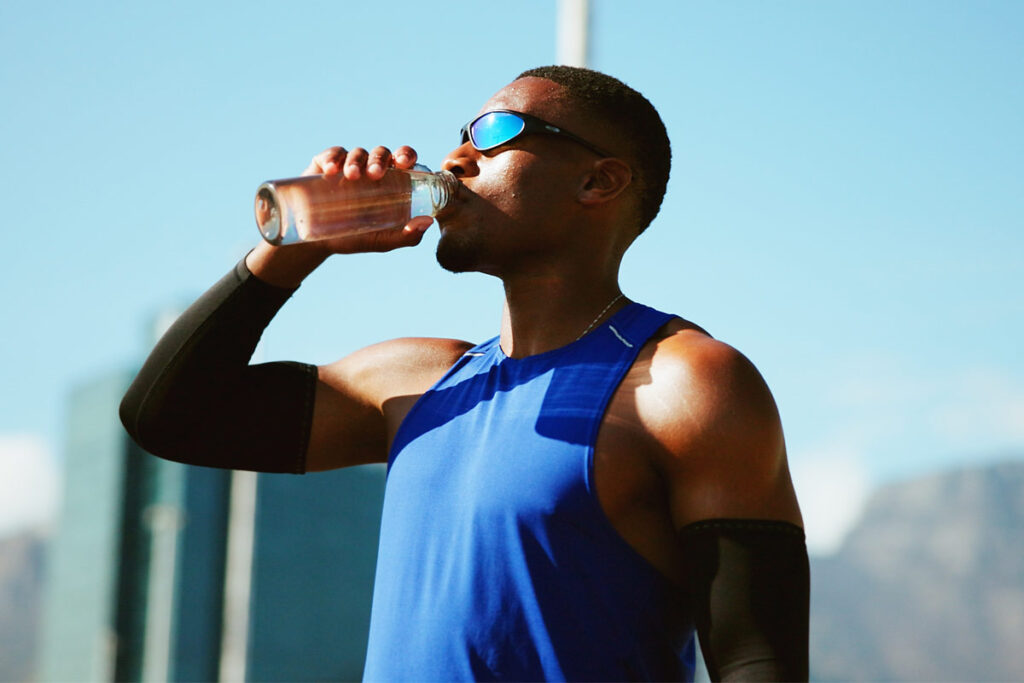
Maintaining optimal fluid balance is a foundational element of running performance that extends far beyond workout hours. Chronic low-level dehydration reduces total blood volume, forcing the heart to work harder to pump oxygen to active muscle groups. According to data from Dietitians of Canada, even a minor fluid loss equivalent to two per cent of body weight can significantly impair aerobic capacity and cognitive focus during physical exertion (Dietitians of Canada, 2020).
- Baseline Fluid Intake: Runners must establish a consistent daily hydration routine, consuming approximately two to three litres of clean water outside of training windows. This baseline supports general metabolic function, maintains cellular volume, and ensures the body is fully hydrated before any physical exertion begins.
- Pre-Workout Hydration Checks: Consuming five hundred millilitres of fluid two hours prior to running ensures adequate hydration levels. Monitoring urine colour serves as a practical assessment tool; a pale, straw-like hue indicates proper fluid balance, whereas dark yellow signals a need for immediate fluid intake.
- Sweat Rate Calculations: Weighing oneself before and after a long run reveals individual fluid losses through perspiration. For every kilogram of body weight lost during exercise, runners should consume approximately one and a half litres of water to restore systemic hydration safely.
- Electrolyte Replacement Strategies: When runs extend past one hour or take place in humid environments, replacing sodium and potassium is mandatory. Electrolytes maintain osmotic pressure in the blood, prevent hyponatremia, and ensure proper communication between the nervous system and skeletal muscles.
- Avoiding Overhydration Risks: Consuming excessive quantities of plain water without adequate sodium during long-distance training can dilute blood minerals dangerously. This condition, known as exertional hyponatremia, causes dizziness, confusion, and muscle weakness, highlighting the necessity of balanced electrolyte formulations.
- Post-Exercise Rehydration Window: Fluid replacement should occur gradually over the four hours following a workout rather than consuming large volumes at once. The human kidneys can only process a limited amount of liquid per hour, making steady sipping more effective for tissue rehydration.
Achieving optimal running performance demands a structured approach to daily nutrition and hydration. Balancing carbohydrate intake to maintain glycogen levels, using targeted marathon nutrition strategies, and consuming precise protein ratios after exercise help ensure consistent physical progress. Neglecting these biological requirements leads to premature fatigue, increased injury risks, and prolonged recovery times. By aligning dietary choices with training demands, athletes protect their health and improve structural endurance over time.
For personalized guidance on athletic conditioning, injury prevention, and physical recovery, professional clinical support can help optimize structure. PARC Ontario offers comprehensive therapeutic assessment and physical rehabilitation services designed to keep your body moving efficiently. Contact us at our various locations to speak with our clinical team: (416) 445-2075 or (416) 430-0314 [Scarborough], (905) 897-2092 [Mississauga], (905) 686-9081 [Ajax], (905) 430-2112 [Whitby], and (905) 579-9938 [Oshawa].