Need Help With Recovery? Your Essential Nutrition Guide for Healing After a Sports Injury
There’s no frustration quite like the frustration of getting sidelined by a sports injury. Whatever the nature of your injury, it’s only natural to shift your attention to getting back on the field or in the gym. While physiotherapy and rest are common parts of the plan (and essential ones at that), just as important is the food you put into your body. Your body needs specific building blocks to repair tissues and manage the natural inflammatory response that follows a trauma. If you are what you eat, then it’s essential you eat properly to speed your recovery and help yourself get back in shape. A few tips to build a healthier diet can go a long way toward helping you recover (and stay healthier afterward).
This guide breaks down the essential nutritional steps you can take to support your body while it heals. By knowing what fuel your body needs to get itself back to full health, you can more easily give yourself the building blocks needed to rebuild your body stronger than before.
1. Focus on High-Quality Protein Intake
Protein is the most critical nutrient for repairing muscle and connective tissue, and that’s especially true after you’ve taken an injury. When you are injured, your body breaks down protein faster than usual to repair the damage. Getting enough protein to eat is therefore essential to supplying the body with all it needs to heal faster.
- Aim for consistent amounts: Try to eat protein at every meal rather than having a large amount only at dinner. This keeps a steady supply of amino acids in your bloodstream.
- Target specific levels: Aim for roughly 1.6 to 2.2 grams of protein per kilogram of your body weight.
- Select lean sources: Foods high in protein are essential for healing after injury by providing your body the materials it needs to heal the damage ver. Choose chicken breast, turkey, lean beef, or fish.
- Include plant-based options: Lentils, chickpeas, tofu, and beans are yet more excellent sources of both protein and fibre.
- Dairy for repair: Greek yogurt and cottage cheese provide casein, a slow-digesting protein that is helpful to eat before sleep to support overnight repair.
2. Increase Your Omega-3 Fatty Acids
After an injury, it’s common for the affected area to become inflamed. While some inflammation is a necessary part of the healing process to clear out damaged cells, too much can cause extra pain and delay your progress. Omega-3 fatty acids help regulate this process.
- Eat fatty fish: Salmon, mackerel, and trout are rich in EPA and DHA, which are types of fats that help manage swelling.
- Plant-based fats: Walnuts, chia seeds, and flaxseeds are more sources of omega-3 fatty acids. These foods make great additions to oatmeal or smoothies, which can add some flavour and variety to your recovery diet.
- Use healthy oils: The right oils are another way to sneak in just a little more omega-3 fatty acids into your diet. Switch to extra virgin olive oil for dressings and low-heat cooking.
- Avoid trans fats: Stay away from fried foods and commercial baked goods; these foods tend to increase inflammation, which can then impede your body’s ability to heal.
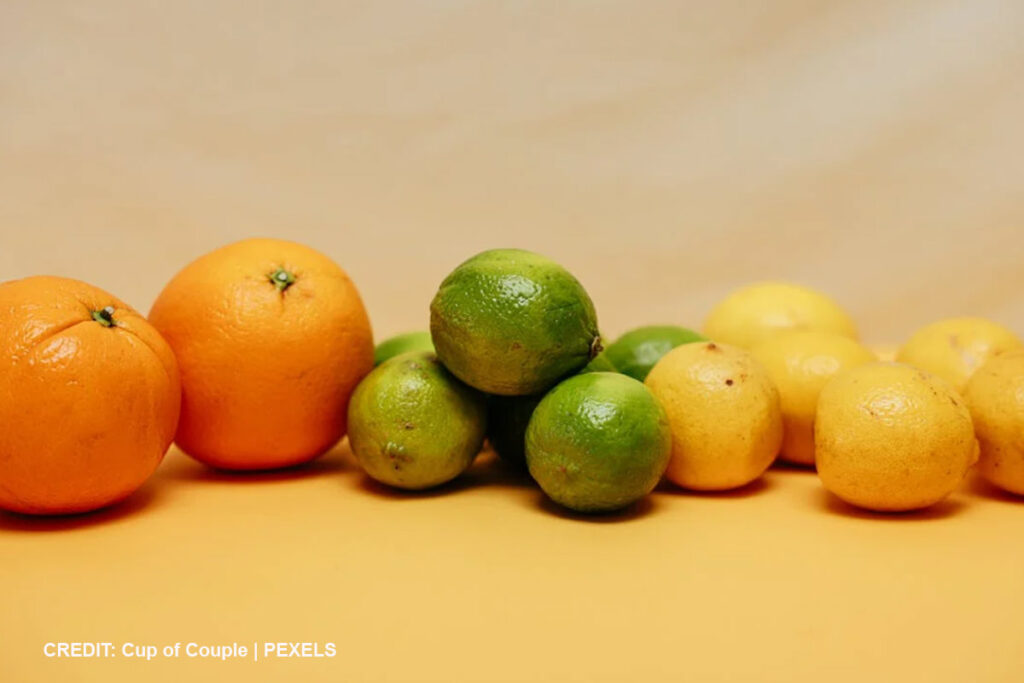
3. Boost Vitamin C for Collagen Synthesis
Collagen is the primary protein found in your tendons, ligaments, and skin. To produce collagen, your body requires Vitamin C. Increasing your intake of this vitamin can help strengthen the “glue” that holds your tissues together.
- Citrus fruits: Oranges, grapefruits, and lemons are some of the most common and readily-available sources of Vitamin C.
- Bell peppers: Red and yellow bell peppers are another rich source of Vitamin C, and can also add some flavour to your meals when incorporated into your diet.
- Dark leafy greens: Among other essential minerals, kale and spinach provide Vitamin C, making them excellent choices for staying healthy while you recover.
- Berries: Strawberries and raspberries are excellent snacks that support tissue integrity.
4. Support Bone Health with Calcium and Vitamin D
If your injury involves a bone stress fracture or a full break, calcium and Vitamin D are your best friends. These two work together; you need sufficient Vitamin D to ensure you can efficiently absorb the calcium you need to heal bone properly.
- Dairy products: Milk, cheese, and yogurt are rich in calcium, and provide the easiest ways to get concentrated calcium into your body.
- Fortified foods: Plant-based milks or orange juices that have added calcium can supplement your intake of extra dairy.
- The role of Vitamin D: Spend a bit of time in the sun when possible, as your skin produces Vitamin D from sunlight.
- Food sources of Vitamin D: Egg yolks and fatty fish are some of the few natural food sources of Vitamin D. These foods also contain plenty of proteins themselves, making them an even more attractive food for your recovery.
5. Use Zinc for Wound Healing and Tissue Growth
Zinc is a mineral found in many enzymes and proteins, and it plays a major role in wound healing, tissue growth, and the development of a healthy immune system. Maintaining high zinc levels can help speed recovery and boost tissue formation to rebuild after you get better.
- Animal proteins: Beef and poultry are rich sources of zinc, in addition to the proteins you can intake from eating them.
- Shellfish: Oysters and crab are another food source high in zinc. As seafoods, shellfish also have other health benefits, such as boosting the immune system and improving heart health.
- Seeds and nuts: Pumpkin seeds (pepitas), sesame seeds, and cashews can make great snack options when you get hungry during the day.
- Whole grains: Aside from fibre, whole grains like oats and quinoa also provide a steady source of zinc throughout the day.
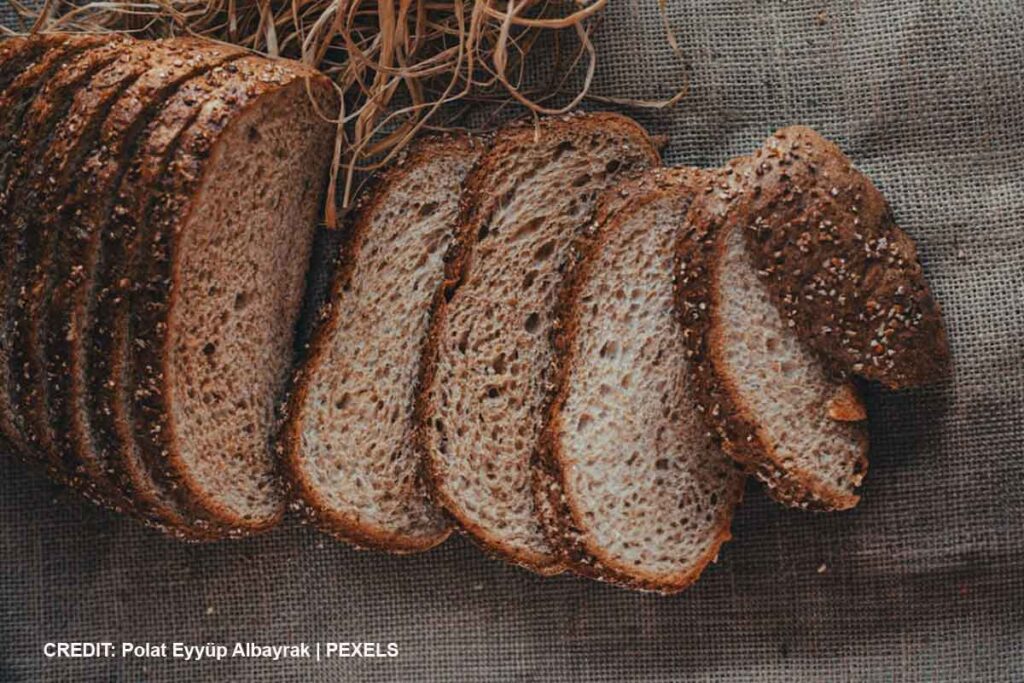
6. Prioritize Complex Carbohydrates for Energy
At first glance, you might think it’d be better to cut back on carbs while injured due to the loss of activity. However, your metabolism actually speeds up during the healing process; therefore, your body needs energy to fuel the chemical reactions required to knit tissues back together.
- Keep your tanks full: Carbohydrates prevent your body from using protein for energy, allowing that protein to be spent on muscle repair instead.
- Choose whole grains: Brown rice, oats, and whole-wheat bread are fibre-rich foods that also provide lasting energy throughout the day.
- Eat starchy vegetables: Potatoes, sweet potatoes, and squash are great for keeping your energy levels stable.
- Focus on fibre: Fibre helps with digestion, which can sometimes slow down if you are less mobile due to the injury.
7. Stay Hydrated with Water and Electrolytes
Hydration is often overlooked in injury recovery, when it shouldn’t be. Water aids your recovery process by transporting nutrients to the site of the injury and removing metabolic waste products. Dehydration can make your joints less lubricated and your muscles more prone to cramping, which can impact your quality of life during recovery.
- Monitor your intake: Drink at least 2 to 3 litres of water a day, depending on your size and the local temperature.
- Check your urine colour: Light-coloured urine is a sign that you’re drinking enough water. If it’s dark instead, you need more fluids.
- Limit caffeine: Coffee and tea are fine in moderation, but plain water is more ideal for boosting your recovery rate.
- Avoid alcohol: Alcohol can interfere with protein synthesis and increase swelling, which slows down the entire recovery timeline.
8. Incorporate Anti-Inflammatory Spices
Specific spices contain natural compounds that can help manage the discomfort associated with a sports injury. These are easy to add to your daily meals, and can add some flavour to treat yourself while you wait to get better.
- Turmeric: Contains curcumin, which is known for its ability to help with joint health. Pair it with black pepper to improve absorption.
- Ginger: This root has properties similar to some over-the-counter anti-inflammatory medications.
- Garlic: Supports the immune system and helps the body handle the stress of an injury.
- Cinnamon: Great for helping manage blood sugar and reducing oxidative stress in the body.
9. Focus on Vitamin A for Cell Production
Vitamin A helps your body produce new cells and keeps your immune system strong. During the early stages of an injury, your body needs to create a lot of new cells to replace the damaged ones.
- Orange vegetables: Carrots and sweet potatoes are packed with beta-carotene, which your body turns into Vitamin A.
- Dark greens: Spinach and Swiss chard are excellent sources of Vitamin A.
- Liver: If you enjoy organ meats, beef liver is one of the most concentrated sources of Vitamin A available.
10. Eat Smaller, Frequent Meals
When you are in pain or moving less, your appetite might change. However, your body heals best when it has a constant stream of nutrients. Eating large meals can sometimes lead to energy crashes or unwanted weight gain if you are very sedentary.
- Maintain a steady flow: Aim for five or six small snacks or meals throughout the day.
- Balance every plate: Make sure every snack has a bit of protein, a healthy fat, and a complex carbohydrate.
- Listen to your hunger: If you are hungry, eat. Your body is telling you it needs more materials to finish the repair job.
Recovery is a physical and mental challenge, and the right foods are a must for boosting that recovery. While you wait for your body to mend, you can take control of the situation by choosing foods that boost your immune system and help your body mend itself. The trick is to stay consistent with your nutrition, stay hydrated, and give your body the patience it deserves while it does the hard work of rebuilding.
Ready to get back to your best self? Don’t let injury or pain slow you down. Our friendly team at PARC of Ontario is here to help you heal and get back on your feet. Call us today at (905) 579-9938 to book your session and start your recovery.