How Common Foot Problems Are Treated With Orthotics
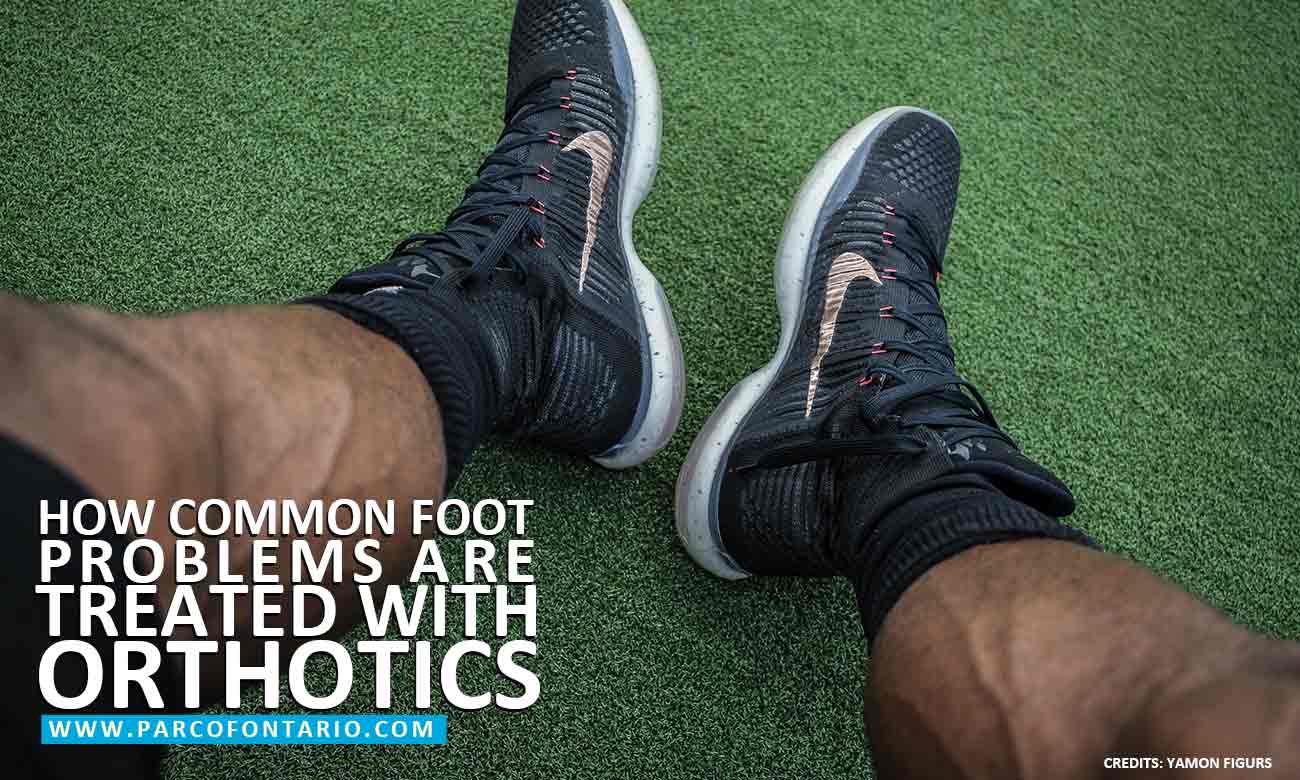
Orthotics (also called foot orthoses) are shoe or heel inserts designed to provide added support to your feet and enhance your posture. Patients experiencing serious foot or leg problems that are interfering with their health and how their feet function may be given orthotics prescriptions by a podiatrist. Prescription shoe inserts can be bought off the shelf or custom-made from scratch using a computer-aided picture of the foot of a patient or a plaster cast.
For instance, to relieve pressure, a person who’s prone to developing calluses can evenly distribute their body weight across their feet using customised shoe inserts. Orthoses are also popular among athletes. They wear orthoses to correct any foot problems that could potentially affect their performance.
How Does A Podiatrist Diagnose Foot Problems?
A specialist who checks and treats various feet conditions, a podiatrist will assess your foot if you’re experiencing pain or discomfort in your foot or heel. They will ask about your symptoms and assess when you first felt them, what movements trigger them, and what makes them feel better. The podiatrist will also run a physical examination on your feet. This is to check for deformities and locate painful areas.
To further gauge your condition, the doctor will ask you to walk and do some activities to identify how your feet and ankles are positioned when you perform certain exercises. Some doctors will ask you to walk on special imaging or pads that will show where and how your feet strike the ground. This procedure is done to determine the exact location and problems related to the function and structure of your feet.
Your podiatrist may also recommend conducting traditional imaging of your feet (e.g. x-ray, MRI, or bone scan) to point out damaged or injured areas. The doctor will use the results from these diagnostic methods to develop treatment recommendations and give you the right orthotics prescription.
What Are The Different Types Of Orthotics?
- Rigid or functional orthotics – These are made out of plastic or carbon fiber and are designed for walking shoes or dress shoes that have low heels and closed toes. This type of orthotic helps ease conditions like foot strains and aches, leg and thigh pains, as well as lower back pain (resulting from a foot that doesn’t function as it should).
- Soft or ‘accommodative’ orthotics – Made out of soft compression material, soft orthotics provide extra cushion to ease pressure and soreness. These are ideal for conditions like diabetic foot ulcers and plantar fasciitis. Since these orthotic devices are bulky, patients may need to wear them together with soft orthotics with prescription footwear.
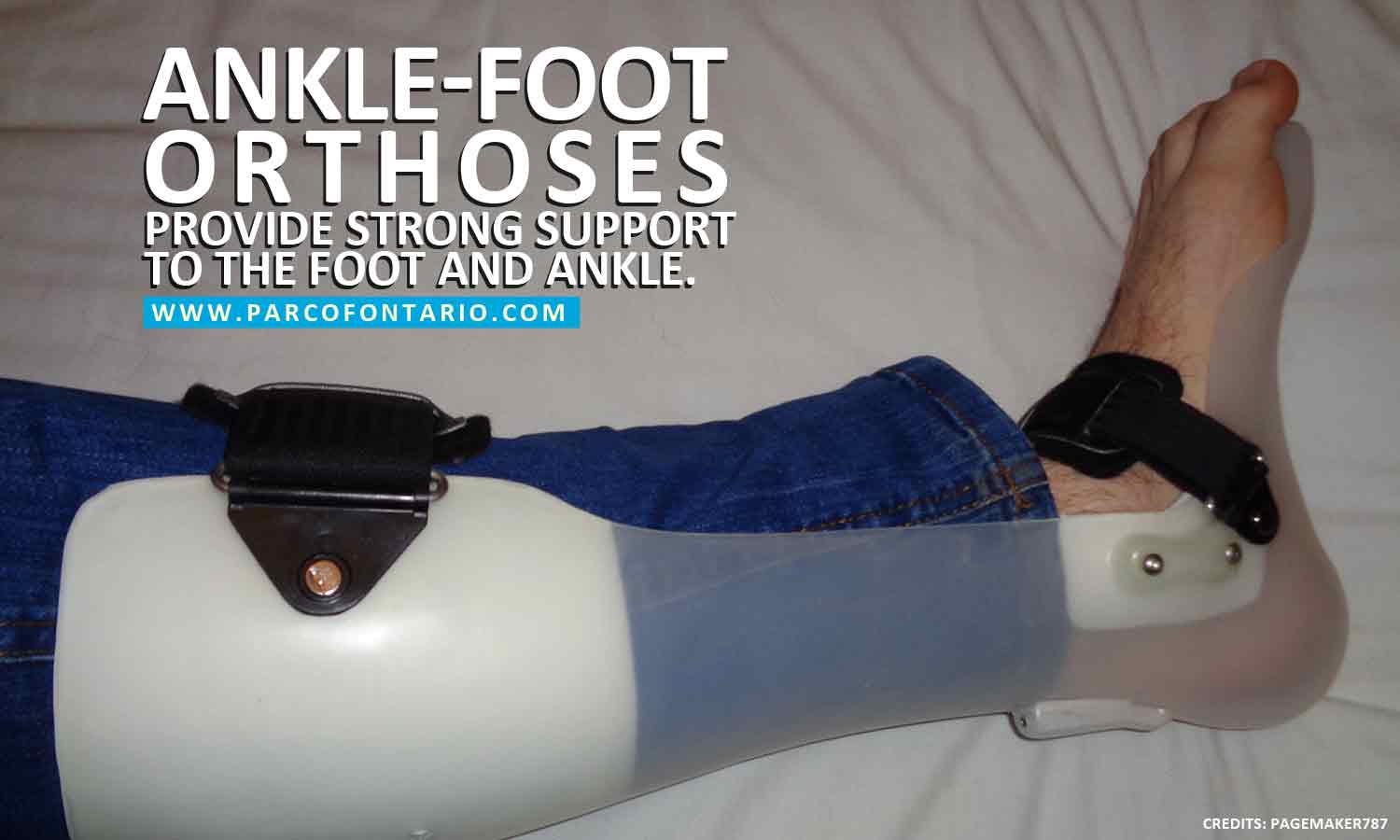
- Ankle-foot orthosis – This option comes with a shoe insert and an upright portion that runs from the heel upward to the calf. This orthosis type is used to support the position and motion of a weak or deformed ankle. Ankle-foot orthosis is also used to restore a limb with contracted muscles back into a normal position.
There are also special orthotics that are custom-fit for sporting gears like ice skates and ski boots.
What Conditions Can Orthosis Treat?
Doctors prescribe orthotic devices to treat a range of foot conditions. Some of these ailments include:
- Flat feet – Having flat feet can result in ankle foot, and back pain, but orthotics can improve the positioning of the feet and lend added support.
- Plantar fasciitis – This condition can cause heel pain and doctors may recommend wearing orthotics to provide support to the heel and foot.
- Bursitis – Heels and toes can have inflamed sacs which can cause bursitis discomfort and pain. With orthotics that have heel and arch support, bursitis discomfort can be prevented.
- Bunions – are painful bumps that can grow at the base of the toes which may result in foot deformities. Orthotics can minimize the pressure on the big toe.
- Hammer toes – A side effect of bunions, hammer toes can cause pain and deformities on the second toe and ball of the feet. You can boost your feet support through orthotics. This also lessens the risk of worsening hammer toes.
- Heel spurs – These are conditions characterized by excessive bone growth on the bottom or back of the heel. Swelling can be prevented by using the appropriate orthotic device.
Orthotic devices are also helpful in treating repetitive stress injuries like:
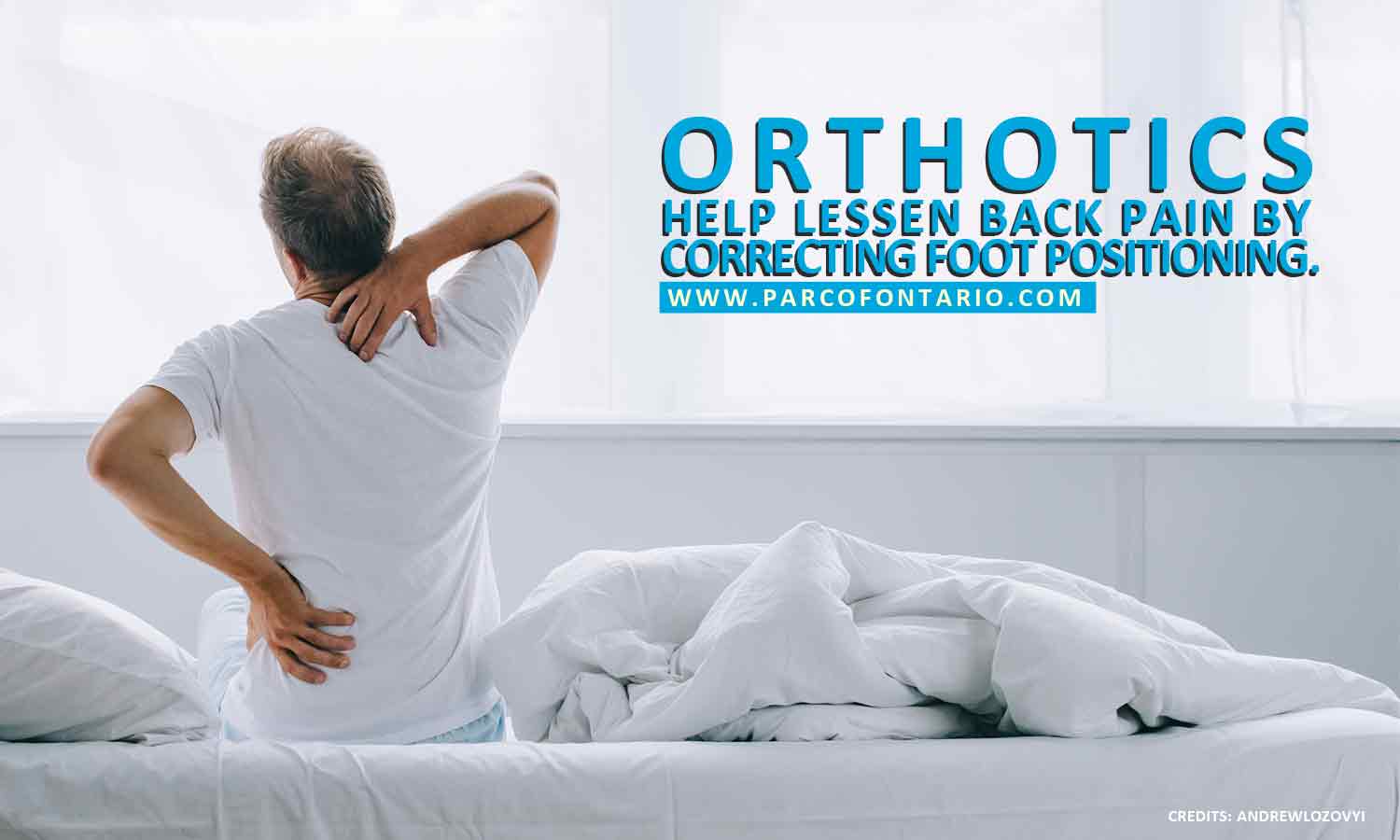
- Back pain – Improper feet positioning (e.g. lack of cushioning and arches that roll inward) can produce pain which orthotics can reduce.
- High arches – High arches can induce stress in the feet muscles and may lead to other conditions like knee pain, shin splints, and plantar fasciitis. Stop the feet from excessive rolling inwards or outwards through orthotics.
- Injuries – Patients, particularly athletes, who have experienced trauma in their feet and ankles need additional support through orthotics to speed up healing and recovery.
However, some conditions that are not musculoskeletal in origin can have symptoms that can be relieved by orthotics.
- Diabetes may cause diabetic neuropathy in the feet, resulting in reduced sensation in their feet that can lead to foot ulcers. Orthotics can correct alignment, resulting in equalized pressure on the foot, which will prevent excess wear or ulcers.
- Osteoarthritis and rheumatoid arthritis located anywhere in the body can result in poor resting or walking posture and result in uneven stresses and loads on the legs and feet. Orthotics can effectively correct these conditions.
Doctors may also prescribe custom-made orthotics for patients experiencing positional issues with their legs and feet. Orthotics can help treat underdeveloped muscles in the legs and feet.
How Do Orthotics Address Foot Conditions?
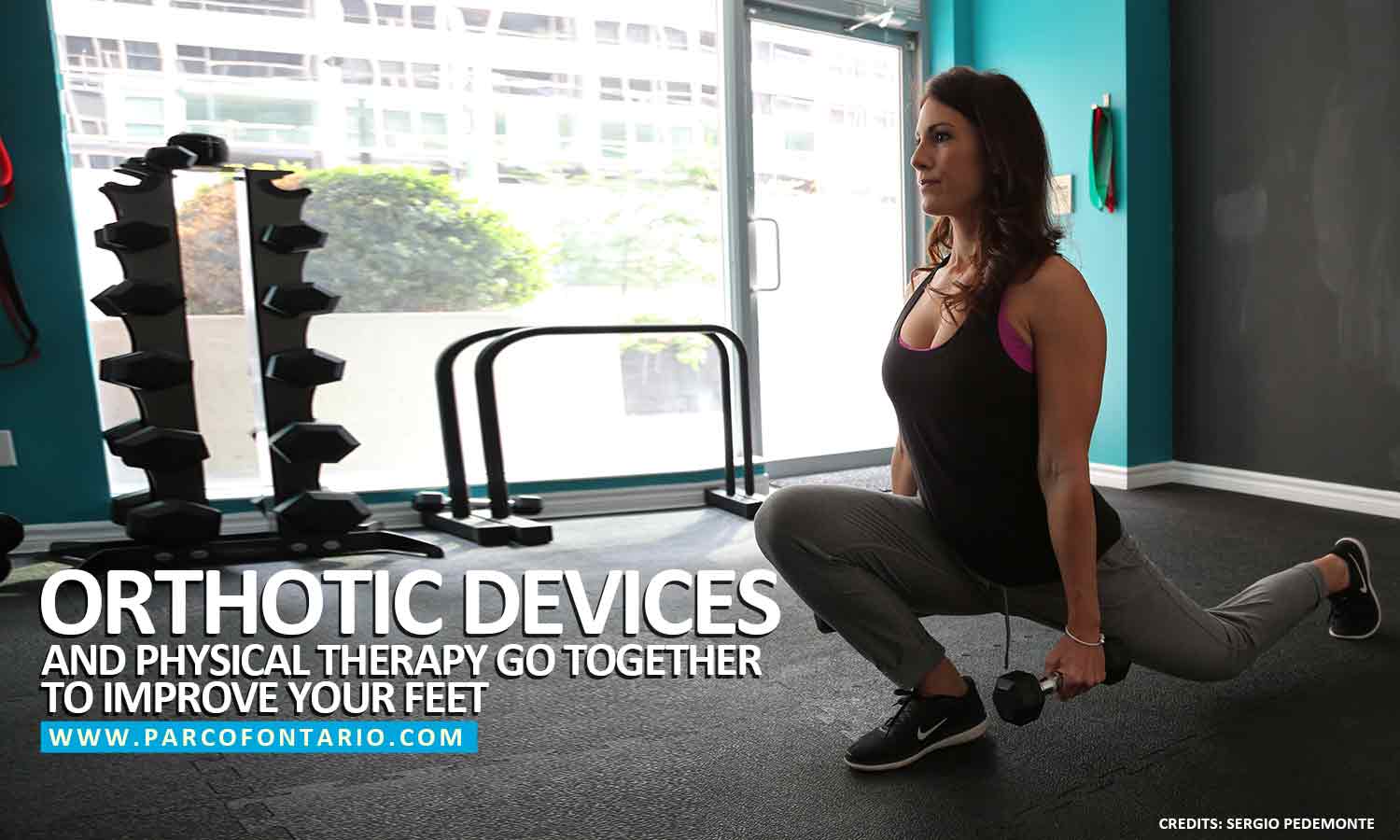
In most cases, orthotics is only part of a holistic treatment program to address foot and ankle problems. Doctors may prescribe orthotics together with treatments like supportive shoes and physiotherapy exercises. And to minimize pain and inflammation, your doctor may even prescribe nonsteroidal anti-inflammatory drugs (NSAIDs) like naproxen sodium and ibuprofen.
Doctors commonly recommend wearing orthotic devices when undergoing these treatments since orthotics are effective solutions in correcting improperly positioned feet. This is true for feet that roll inward or downward. Wearing the right orthotic device can provide supplementary arch support to prevent further complications.
The main purpose of orthotics is to boost support and cushioning to the feet (particularly the heel or ball of the foot). Since orthotics are custom-made to suit your unique condition, your orthotics provider will consider your specific footwear needs. When properly throughout the intended course of treatment, orthotics (in conjunction with other treatments) can eliminate the need for invasive surgery.
What Factors Can Affect The Success Of Orthotics?
While they can treat many foot conditions, orthotics don’t help all patients experiencing pain and discomfort in the foot and ankle. There are a number of factors that can define the success of the treatment, including:
- Your doctor’s prescription
- Skills and expertise of the person producing the orthotic device
- How often a person wears the orthotic
- The shoes in which the person wears them
If your doctor advises orthotics, it’s best to consult the experts and ask them questions about the results you can expect from the treatment.
If you’re looking for an orthotics provider to improve your health, call Physiotherapy and Rehabilitation Centres (PARC) of Ontario at (905) 579-9938 or fill out this form to book an appointment with our podiatrist. They can give you all the information you need and design an orthotic device to address your foot problems.