Why Pickleball Injuries are Rising in—And How to Be the Exception
Pickleball has become a dominant social activity across Canada, attracting players with its fast pace and easy learning curve. It fosters community and provides a consistent way to stay active. Many people find the sport addictive because it combines physical exercise with frequent social interaction.
Recent data shows a sharp increase in physical setbacks, specifically fractures, sprains, and lateral epicondylitis. You can continue to enjoy the game without becoming a statistic. Adopting specific habits and preparation techniques allows you to stay on the court while protecting your physical well-being.
Why the Surge?
The rapid growth of this sport has outpaced the physical preparation of many new participants. Understanding the factors behind the increase in pickleball physical therapy needs helps players identify their own risks. Most issues stem from a lack of sport-specific conditioning or improper equipment choices.
- Sudden Increase in Activity Volume
Many players transition from a sedentary lifestyle to playing multiple hours every day. This rapid change does not give the body time to adapt to new stresses. Overuse occurs when muscles and tendons cannot recover between sessions, leading to chronic pickleball strain over time.
- The Demographics of the Player Base
A large portion of the community consists of older adults who may have underlying joint issues. Bone density and muscle elasticity naturally decrease with age, making falls more dangerous. Statistics from the Canadian Institute for Health Information indicate that older adults face higher fracture risks.
- Inadequate Footwear and Surface Friction
Participants often wear running shoes designed for forward motion rather than lateral stability. Court surfaces provide significant grip, which can cause the foot to stick while the body continues to move. This mismatch frequently results in pickleball ankle sprains and other lower limb injuries.
- The Competitive Nature of the Game
The social aspect often masks the high intensity of competitive play. Players frequently overextend their reach to return a difficult shot, putting joints in vulnerable positions. This “win at all costs” mentality leads to movements that the body is not currently trained to handle safely.
- Lack of Proper Warm-Up Routines
Most players start hitting the ball as soon as they reach the court. Skipping a dynamic warm-up means muscles are cold and less pliable when the game begins. Cold tissues are more prone to tearing during the quick, explosive movements required for effective pickleball footwork.
Common Injuries Associated with Pickleball
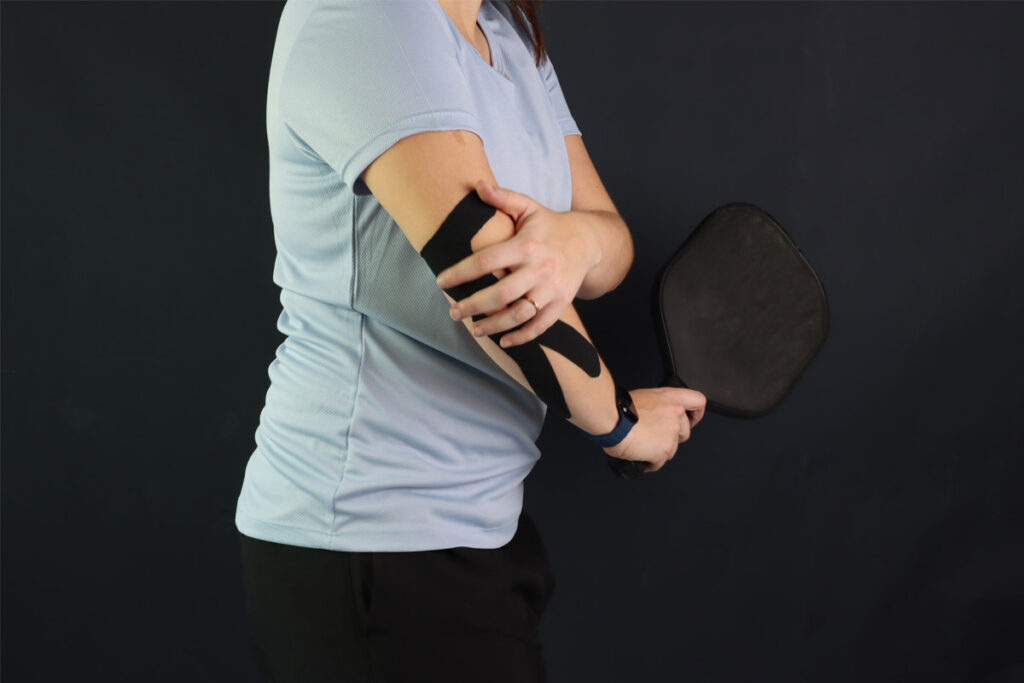
The repetitive and jerky motions of the game target specific areas of the body. Identifying these common pickleball ailments early can prevent them from turning into long-term disabilities. Most players will encounter at least one of these issues if they do not take preventive measures.
- Lateral Epicondylitis (Tennis or Pickleball Elbow)
This condition involves inflammation of the tendons on the outside of the elbow. It results from repetitive wrist extension and firm gripping of the paddle. Players often feel a dull ache that sharpens during a backhand stroke or when shaking hands with others.
- Achilles Tendon Ruptures or Strains
The frequent lunging and backtracking put immense pressure on the back of the lower leg. Sudden bursts of speed can cause the Achilles tendon to overstretch or tear completely. This is a serious injury that often requires surgical intervention and months of orthopaedic rehabilitation.
- Rotator Cuff Inflammation
Overhead smashes and high volleys require significant shoulder mobility and strength. Repetitive overhead reaching can pinch the tendons in the shoulder joint, causing pain and weakness. Without rest and proper mechanics, this can lead to partial tears that limit your range of motion.
- Meniscus Tears in the Knee
The twisting motions involved in reaching for “dink” shots put rotational stress on the knee. The meniscus acts as a shock absorber but can tear during sudden pivots. Players often report a popping sensation followed by swelling and a feeling of joint instability.
- Wrist Fractures from Falls
Balance issues or tripping over the kitchen line often lead to players falling forward or backward. The natural instinct is to catch oneself with an outstretched hand. This often results in a Colles’ fracture, particularly in players with lower bone density or poor balance.
- Lower Back Muscle Strains
The constant bent-over position required for low volleys puts the lumbar spine under stress. Frequent twisting to reach wide shots can strain the small muscles supporting the vertebrae. Poor core strength exacerbates this issue, leading to stiffness and lower back pain from pickleball.
- Plantar Fasciitis
The hard court surface and constant hopping can inflame the tissue running along the bottom of the foot. This causes sharp heel pain, especially during the first steps of the morning. It is often linked to improper shoe support and tight calf muscle groups.
- Hamstring Pulls and Tears
Quickly moving forward to reach a drop shot requires the hamstrings to lengthen under tension. If these muscles are tight or weak, they can snap or pull. This results in immediate pain in the back of the thigh and makes walking difficult.
How to Be the Exception
Becoming a resilient player requires a shift in how you view the game. By treating yourself like an athlete, you can implement injury prevention strategies that keep you active for years. Focus on preparation and recovery as much as you focus on your scoring.
- Invest in Court-Specific Shoes
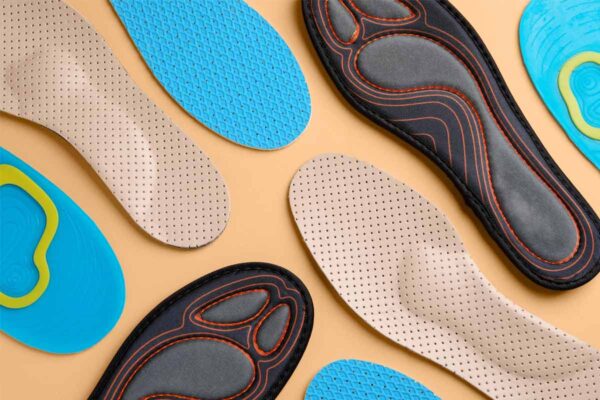
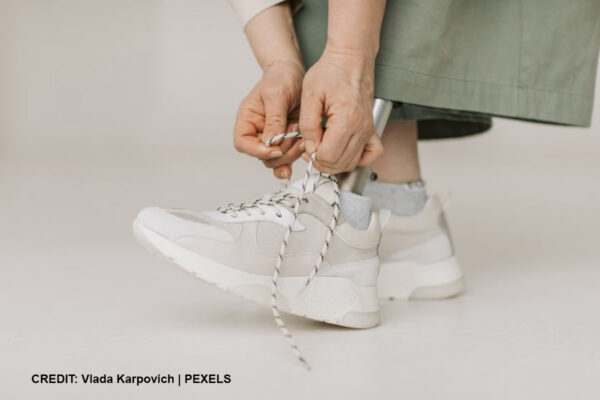
Wear shoes designed for tennis or court sports rather than general trainers. These provide the lateral support necessary to prevent the foot from rolling during side-to-side movements. Proper soles also offer better cushioning for the hard surfaces found in most Canadian community centres.
- Prioritize a Dynamic Warm-Up
Spend ten minutes before your match performing active movements like leg swings, arm circles, and torso twists. This increases blood flow to the muscles and prepares the nervous system for fast reactions. A warm body is more resilient to the stresses of intense pickleball rallies.
- Strengthen Your Core and Glutes
A strong midsection and stable hips take the pressure off your lower back and knees. Incorporating basic exercises like planks and squats into your weekly routine improves your balance. Enhanced stability reduces the likelihood of falling and improves your overall power on the court.
- Improve Your Hitting Technique
Using your whole body to swing the paddle rather than just your wrist or elbow prevents tendonitis. Work on stepping into your shots and using your legs for power. Proper form reduces the repetitive strain on smaller joints and makes your pickleball shots more consistent.
- Listen to Early Warning Signs
Do not play through “minor” pains that do not go away after a day of rest. Persistent aching is the body’s way of signalling that tissue damage is occurring. Taking a few days off early can prevent a minor strain from becoming a major pickleball injury.
- Hydrate and Maintain Nutrition
Dehydration leads to muscle fatigue, which is when most injuries occur. Drinking water and maintaining electrolyte levels helps muscles function correctly and prevents cramping. Ensure you are fuelling your body with enough protein and minerals to support tissue repair and bone health.
- Incorporate Professional Physical Therapy
Periodic checks with a therapist can identify muscle imbalances before they cause pain. They can provide specific rehabilitation exercises for pickleball tailored to your body’s needs. Professional guidance ensures that you are moving efficiently and using the correct muscles for every movement.
When to See a Professional
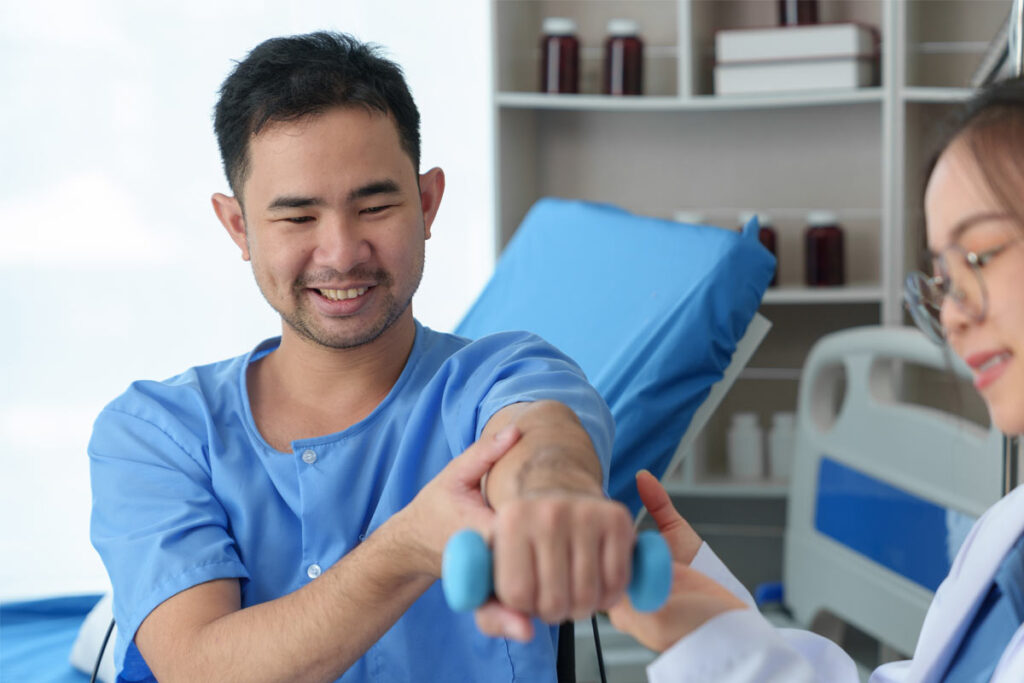
Determining when to transition from home care to professional intervention is vital for long-term joint health. Early assessment often prevents a minor strain from becoming a permanent limitation. If symptoms persist despite rest, seeking a clinical opinion ensures a safe return to activity.
- Pain That Interrupts Sleep or Rest
If discomfort continues while the body is at stationary rest, it indicates significant inflammation or nerve involvement. Pain that prevents falling asleep or wakes you up during the night requires a physical assessment.
- Localized Swelling and Heat in Joints
Visible inflammation around the knee, ankle, or elbow that does not subside within forty-eight hours is a red flag. Heat emanating from the skin over a joint often signals an internal tear or severe bursitis.
- Reduced Range of Motion or Locking
Inability to fully straighten an arm or bend a knee suggests a mechanical blockage or significant muscle guarding. If a joint “locks” in place or feels like it will give way, it may indicate a meniscus or ligament issue.
- Numbness or Tingling in Extremities
Sensation changes such as “pins and needles” in the hands or feet often stem from spinal compression or nerve entrapment. These symptoms can arise from the repetitive twisting motions common in the sport.
- Failure of the RICE Method
Standard self-care involving rest, ice, compression, and elevation should show results within a few days. If there is no measurable improvement in pain levels or mobility after seventy-two hours, the injury is likely more complex.
The growth of pickleball in Canada is a positive trend for public health, but it requires a mindful approach to safety. The rising costs to the healthcare system and the frequency of preventable fractures highlight the need for better preparation. You can remain part of the active community by focusing on strength, proper equipment, and sensible recovery. Staying on the court is not just about skill; it is about the work you do before the game begins.
If you are experiencing persistent pain or want to improve your physical resilience, seeking professional help is a wise move. Addressing small issues now prevents long-term interruptions to your playing schedule. For personalized assessment and recovery plans, reach out to the Physiotherapy and Rehabilitation Centres (PARC) of Ontario. You can contact our teams at various locations: Scarborough at (416) 445-2075 or (416) 430-0314, Mississauga at (905) 897-2092, Ajax at (905) 686-9081, Whitby at (905) 430-2112, or Oshawa at (905) 579-9938.