Why Is Movement Education Becoming Part of Chiropractic Care?
Movement education is gaining attention as more people look for lasting ways to manage pain and improve mobility. At the same time, chiropractic care is evolving to include habits that support better movement outside the clinic. This shift helps patients stay active, reduce strain, and maintain results longer.
What Is Movement Education?
Movement education focuses on how your body moves during daily tasks, not just during exercise. It helps you notice habits that may be causing pain or limiting your mobility. Over time, it trains your body to move in a safer and more efficient way.
Core Principles of Movement Education
- Proper Posture Awareness: This focuses on maintaining correct alignment while sitting, standing, and moving. It helps reduce unnecessary stress on the spine and prevents long-term strain.
- Body Mechanics: This teaches you how to move safely during daily tasks like lifting, bending, and reaching. Using proper mechanics lowers the risk of injury and supports better joint health.
- Movement Efficiency: This principle encourages smooth and controlled movements instead of rushed or awkward ones. Efficient movement reduces energy waste and minimizes strain on muscles.
- Balance and Coordination: This improves how different parts of your body work together during movement. Better coordination helps prevent falls and supports safer, more stable motion.
- Flexibility and Mobility: This focuses on keeping joints and muscles moving through their full range. Improved flexibility makes everyday tasks easier and helps prevent stiffness.
- Mind-Body Awareness: This helps you stay aware of how your body feels during movement. It allows you to notice discomfort early and adjust your actions before it leads to pain.
Common Techniques Used
- Functional Movement Training: This involves practicing movements that match daily activities like squatting, reaching, or lifting. It helps your body perform these actions safely and with better control.
- Mobility Exercises: These exercises focus on improving joint range and reducing stiffness. They help your body move more freely and with less discomfort over time.
- Flexibility Stretching: Stretching targets tight muscles that may limit movement or cause strain. Regular practice helps improve comfort and supports better posture.
- Postural Correction Drills: These drills train your body to maintain proper alignment throughout the day. They reduce pressure on the spine and help prevent recurring pain.
- Guided Movement Patterns: A practitioner walks you through specific movements step by step. This helps correct poor habits and builds safer movement routines.
- Breathing Techniques: Controlled breathing supports core stability and better movement control. It also helps reduce tension and improve overall body awareness.

The Evolution of Chiropractic Care
Chiropractic care has changed over time to meet the needs of modern patients. While adjustments are still important, they are no longer the only focus. Today, care plans often include active steps that patients can follow outside the clinic.
Traditional Approach to Chiropractic
In the past, chiropractic care focused mainly on spinal adjustments to correct misalignments in the spine. These adjustments were used to relieve pressure on the nervous system, which helped reduce pain and improve joint movement. Many patients experienced quick relief after treatment, especially for issues like back pain, neck stiffness, and headaches. Because of this, adjustments became the central part of care and were often seen as the primary solution for physical discomfort.
However, this approach often focused on treating symptoms rather than addressing the habits that caused them. Daily factors like poor posture, repetitive movements, and lack of physical activity were not always part of the treatment plan. As a result, some patients found that their pain returned after some time, even with regular visits. This highlighted the need for a more complete approach that not only relieves pain but also helps prevent it from coming back.
Modern, Holistic Approach
Today, chiropractic care looks beyond the spine and considers how the whole body functions together. Chiropractors assess posture, movement patterns, daily habits, and even work environments to understand what may be causing discomfort. This broader view helps identify the root of the problem instead of only focusing on where the pain is felt. As a result, care plans become more tailored and relevant to each patient’s daily life.
In addition to hands-on adjustments, treatment now includes guided exercises, movement education, and simple lifestyle changes. Patients learn how to sit, stand, and move in ways that support their recovery and prevent strain. This approach encourages active participation, which helps strengthen the body and improve long-term results. Over time, patients rely less on frequent visits because they have the tools to manage and maintain their own progress.
Why Movement Education Is Being Integrated
Many patients deal with pain that keeps coming back. This often happens because the root cause has not been addressed. Movement education helps fill this gap by teaching better habits.
- Addresses the Root Cause of Pain
Poor movement patterns can place extra stress on the body. Over time, this stress leads to discomfort and injury. By correcting these patterns, movement education targets the source of the problem.
- Improves Long-Term Treatment Results
When patients learn how to move properly, they can maintain progress between visits. This reduces the need for frequent adjustments. It also helps the body stay balanced for longer periods.
- Supports Injury Prevention
Daily activities like lifting, sitting, or walking can cause strain if done incorrectly. Movement education teaches safer ways to perform these tasks. As a result, the risk of injury is lowered.
- Encourages Patient Accountability
Patients play an active role in their recovery through guided exercises and awareness. This builds consistency and confidence over time. It also helps them stay committed to their care plan.
Key Benefits of Movement Education in Chiropractic Care
Movement education supports both recovery and prevention. It works alongside chiropractic adjustments to improve overall function. Over time, it leads to better control, strength, and comfort.
- Better Posture and Alignment: Learning proper posture reduces pressure on the spine. It also helps keep the body in a natural position during daily tasks. This leads to less strain and fewer aches.
- Increased Mobility and Flexibility: Regular movement exercises help loosen tight muscles. They also improve joint range and coordination. As a result, everyday movements feel smoother and easier.
- Faster Recovery Times: Controlled movement helps the body heal without stiffness. It keeps muscles active while avoiding further strain. This balance supports steady recovery.
- Reduced Risk of Re-Injury: Stronger muscles provide better support for joints. Improved coordination helps prevent awkward movements that can lead to injury. Together, these changes lower the chance of repeat issues.
- Enhanced Daily Function: Simple tasks like bending or reaching become easier. The body works more efficiently with less effort. This improves overall comfort throughout the day.
Conditions That Benefit from Movement Education
Movement education can help with a wide range of conditions. It focuses on improving how the body functions as a whole. Because of this, it is useful for both chronic and short-term concerns.
- Chronic Back and Neck Pain: Poor posture often leads to ongoing discomfort in these areas. Movement education corrects these habits over time. Proper body movement helps reduce repeated strain and pain.
- Sports Injuries: Athletes benefit from improved movement patterns and control. These changes support safer training and recoery. They also help prevent future injuries.
- Workplace-Related Strain: Many jobs involve repetitive tasks or long hours of sitting. Movement education teaches better ways to perform these tasks. This reduces stress on the body during work.
- Joint and Mobility Issues: Stiff joints can limit daily activities. Gentle exercises help restore movement and flexibility. This allows for safer and more comfortable motion.
How Movement Education Complements Chiropractic Adjustments
Chiropractic adjustments and movement education work well together. One provides immediate relief, while the other supports long-term change. This combination leads to more stable results.
- Reinforces the Effects of Adjustments: Exercises help maintain the alignment achieved during treatment. They support the body between visits. This helps the results last longer.
- Improves Muscle Support Around Joints: Stronger muscles reduce pressure on joints. They also improve stability and control. This makes everyday movement safer.
- Promotes Lasting Results: Active care helps the body adapt to better habits. Over time, these habits become natural. This leads to lasting improvements in comfort and function.
Why Patients Are Responding Positively
Patients are noticing the difference with this approach. They feel more involved in their care. This leads to better engagement and results.
- More Control Over Their Health: Patients learn practical ways to manage their condition. This reduces dependence on frequent visits. It also builds confidence in daily life.
- Clear Understanding of Their Body: Better awareness helps patients avoid harmful habits. They can adjust their movements as needed. This supports long-term health.
- Measurable Progress: Improvements in strength and flexibility are easy to notice. Pain levels often decrease over time. This motivates patients to stay consistent.
The Future of Chiropractic Care
Chiropractic care continues to shift toward prevention and long-term wellness. Movement education plays a key role in this change. It helps patients stay active and avoid future problems.
- Greater Emphasis on Preventative Care: Care is moving toward stopping issues before they start. This reduces the need for ongoing treatment. It also supports overall health.
- Integration with Other Therapies: Chiropractic care is often combined with massage therapy and other treatments. These may include exercise programs or supportive therapies. This creates a more complete approach to care.
- Patient-Centred Treatment Models: Care plans are now tailored to each individual. Patients take an active role in their progress. This leads to better outcomes over time.
Build Better Movement and Lasting Relief with a Chiropractor in Scarborough
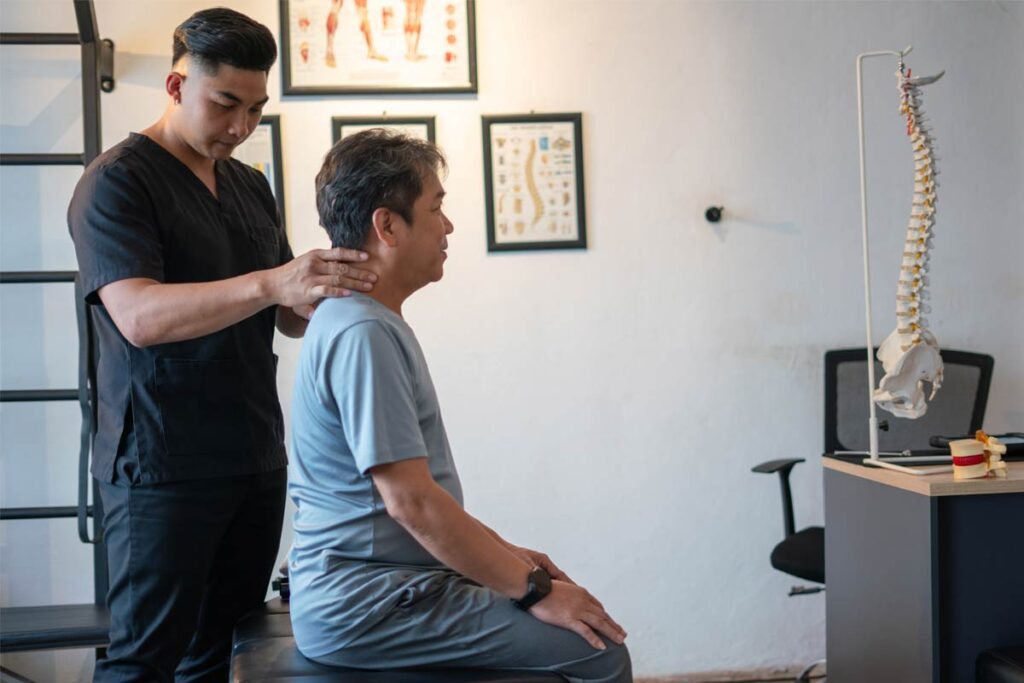
At PARC of Ontario, we provide chiropractic care that pairs hands-on treatment with movement education to help you move with less pain and better control each day. Our chiropractor in Scarborough supports long-term results by improving how your body functions during daily activities, not just during treatment sessions. Call (905) 579-9938 to book your visit and start building stronger, healthier movement habits today.