Why Are More Younger Adults Considering Acupuncture?
Acupuncture is no longer seen as something only older adults try for chronic pain. More younger adults are booking sessions to manage stress, improve sleep, and support their overall health. This shift raises an important question: why is acupuncture becoming part of modern self-care for people in their 20s and 30s?
As conversations around mental health and preventive care grow, younger generations are looking for options that feel balanced and practical. They want support that fits into busy schedules without adding heavy side effects. Acupuncture is entering that space in a steady and noticeable way.
What Is Acupuncture?
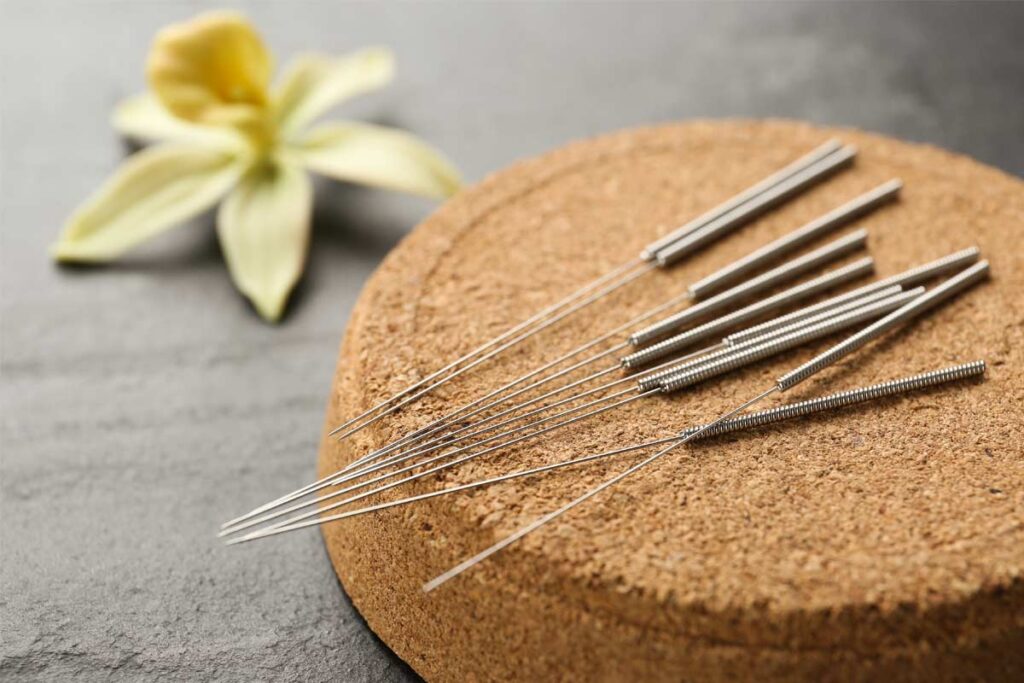
Acupuncture is a long-standing practice rooted in Traditional Chinese Medicine. It uses fine, sterile needles placed at precise points on the body to encourage natural balance and recovery. While its origins date back thousands of years, it remains a respected option in many modern healthcare environments.
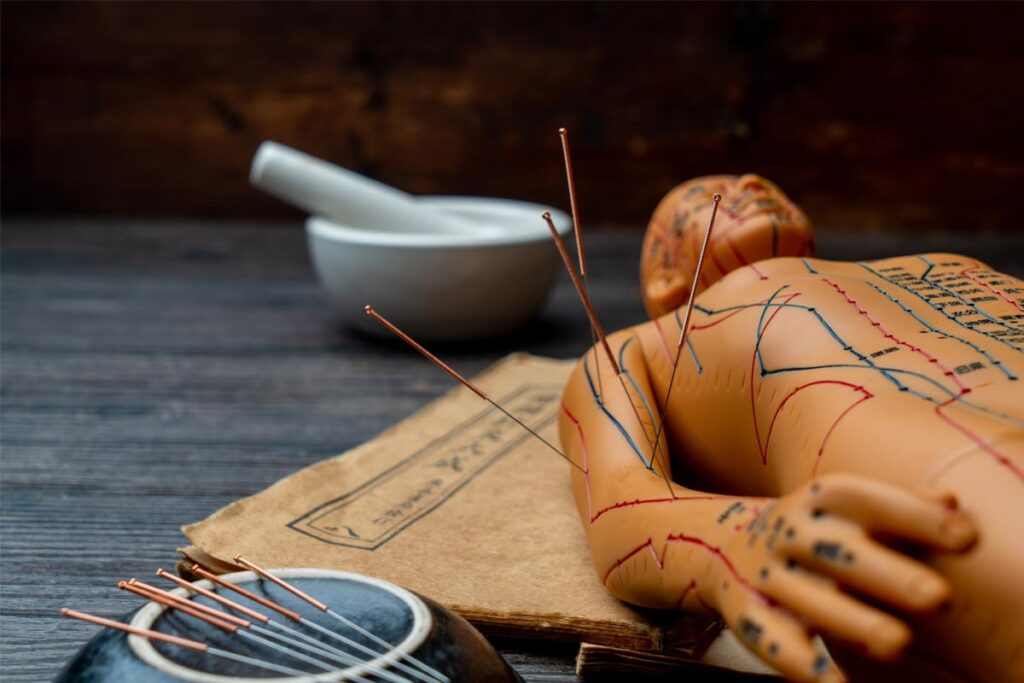
In traditional theory, acupuncture is rooted in the belief that a life force called “qi” moves through channels in the body. When this movement becomes disrupted, physical or emotional symptoms may develop. By activating specific points along these pathways, acupuncture works to support a more balanced and steady flow.
From a Western medical view, acupuncture is often explained in a different way. Research suggests that the needles may stimulate nerves, muscles, and connective tissue. This stimulation can trigger the release of natural pain-relieving chemicals such as endorphins. As a result, many people report reduced pain and a calmer state of mind after treatment.
Today, acupuncture is offered in clinics, wellness centres, and some hospitals. It is commonly used alongside other forms of care. This mix of tradition and modern understanding makes it appealing to younger adults who value both history and science.
Acupuncture and Younger Adults: A Growing Trend
In recent years, more people between the ages of 18 and 40 have shown interest in complementary health services. Acupuncture is often included in this group. Clinics report an increase in younger clients seeking support for stress, headaches, and muscle tension.
Several factors help explain this rise. First, younger adults are more open to discussing mental health and burnout. They are also more likely to look for options beyond medication alone. As a result, therapies that focus on the whole body are gaining attention.
Social media also plays a role. Many wellness advocates share their personal experiences with acupuncture, which reduces fear and builds curiosity. When people see friends or online creators speak openly about their sessions, the treatment feels more normal and accessible.
In addition, workplaces are changing. Remote work and long hours at desks have led to more neck pain, back pain, and eye strain. Younger adults are searching for ways to manage these issues before they become long-term problems. Acupuncture fits into this goal because it can be used as both a treatment and a preventive tool.
Why Younger Adults Are Choosing Acupuncture
Younger adults are not turning to acupuncture for one single reason. Instead, they are responding to a mix of stress, lifestyle habits, and health goals. Below are some of the most common motivations.
1. Managing Stress and Anxiety
Many younger adults face pressure from work, finances, and social expectations. Constant digital connection also makes it hard to fully relax. Over time, this can lead to anxiety, sleep problems, and fatigue.
Acupuncture is often chosen as a natural way to calm the nervous system by regulating stress hormones and promoting relaxation. During a session, people are encouraged to lie still in a quiet room, which alone can support mental rest. Over several treatments, some clients report feeling more balanced and less reactive to daily stress.
2. Addressing Chronic Pain from Modern Lifestyles
Long hours on laptops and phones can strain the neck, shoulders, and lower back. Even younger adults who exercise regularly may deal with tight muscles or sports injuries. Pain that begins as mild discomfort can slowly become persistent.
Acupuncture is used to target these specific areas of tension. By stimulating certain points, it may improve circulation and reduce inflammation. Many people notice a gradual decrease in stiffness after a few sessions. Because the treatment is non-surgical and drug-free, it feels manageable for those who want to avoid long recovery periods.
3. Seeking Non-Pharmaceutical Options
Younger generations often question heavy reliance on medication. While medication has a clear role in many conditions, some people prefer to try supportive therapies first when possible. They want approaches that work with the body rather than simply masking symptoms.
Acupuncture appeals to this mindset. It can be used on its own or alongside conventional care. For example, someone managing migraines may use acupuncture in addition to prescribed treatment. This combined approach allows individuals to feel more involved in their health choices.
4. Focusing on Preventive Health
Preventive care is becoming more common among younger adults. Instead of waiting for serious illness, many aim to maintain balance through regular check-ups and wellness habits. This includes exercise, healthy eating, and stress management.
Acupuncture fits well into this routine. Some people book sessions even when they are not in pain. They view it as part of maintaining energy levels and sleep quality. By addressing small imbalances early, they hope to reduce the risk of larger problems later.
5. Influence of Wellness Communities
Online wellness communities have changed how people learn about health. Podcasts, blogs, and social platforms often discuss holistic therapies in simple terms. As a result, acupuncture no longer feels unfamiliar.
Peer stories also matter. When someone hears that a friend found relief from anxiety or menstrual pain through acupuncture, it creates trust. This word-of-mouth effect encourages others to try a session for themselves. Over time, what was once seen as “alternative” becomes part of everyday conversation.
Practical Benefits and Everyday Uses of Acupuncture
Acupuncture can help younger adults manage common health concerns in a gentle and balanced way. It fits into daily routines without major disruption and can support both physical and mental well-being. The following are some practical benefits many people experience:
- Stress and Anxiety Relief: Acupuncture may help calm the nervous system and reduce tension.
- Improved Sleep: Targeted treatments can promote relaxation and support deeper, more restful sleep.
- Muscle Tension Reduction: Acupuncture can ease stiffness in the neck, shoulders, and back caused by long hours at desks or screens.
- Enhanced Circulation: Stimulating specific points may improve blood flow, helping the body recover and function more efficiently.
- Energy and Vitality Support: Regular sessions can help maintain steady energy levels throughout the day.
- Digestive Balance: Acupuncture may aid digestion and support overall gastrointestinal health.
Preventive Health Care – Integrating acupuncture into wellness routines may help maintain balance and prevent minor issues from escalating.
How to Get Started with Acupuncture
Trying something new can feel uncertain at first. Understanding the process helps reduce fear and builds confidence. If you are considering acupuncture, the following steps can guide you.
- Choose a Licensed Practitioner
Look for a practitioner who is properly trained and registered in your province. Check their credentials and ask about their education. This ensures that your treatment is safe and meets professional standards. A qualified practitioner will also take time to answer your questions clearly.
- Ask About the Treatment Plan
Before starting, discuss your goals and health history. A practitioner may suggest a series of sessions rather than a single visit. This is because acupuncture often works gradually. Knowing the plan in advance helps you set realistic expectations.
- Understand What a Session Feels Like
During a session, thin needles are placed into specific acupuncture points. Most people feel a slight pinch or a dull ache that fades quickly. After the needles are inserted, you usually rest quietly for about 20 to 30 minutes. Many describe this time as deeply relaxing.
- Prepare for Your Appointment
Eat a light meal beforehand and stay hydrated. Wear loose clothing so the practitioner can access certain areas easily. It is also helpful to share details about medications or ongoing treatments. Clear communication supports safe and effective care.
Common Misconceptions About Acupuncture
Even though acupuncture is widely practiced, several misunderstandings still exist. Clarifying these misconceptions helps people feel more confident about trying treatment. Here are some of the most common myths:
- Acupuncture is Very Painful: The needles are extremely thin, and most people feel little to no discomfort during a session.
- Acupuncture is Just a Trend: It has been practiced for thousands of years and continues to be studied for its health benefits.
- It Cannot be Combined with Conventional Medicine: Acupuncture can often complement standard medical care when communicated properly with your healthcare providers.
- Results are Immediate and Guaranteed: Benefits may develop gradually over several sessions and vary from person to person.
- Only Certain People Can Try It: Acupuncture is generally safe for most healthy adults, though practitioners consider individual conditions before treatment.
Support Your Wellness with PARC of Ontario’s Acupuncture in Oshawa
If you are thinking about trying acupuncture in Oshawa, PARC of Ontario offers a welcoming space to begin. Their team takes time to understand your concerns and create a plan that fits your lifestyle. Whether you are managing stress, ongoing pain, or simply aiming to maintain balance, acupuncture in Oshawa can be part of your routine.
Small steps can lead to steady changes in how you feel each day. Consider booking a consultation with PARC of Ontario to learn how acupuncture may support your health goals. Call us today at (905) 579-9938. Your path toward better balance can start with a single appointment.