When Do You Need Custom Orthotics? 7 Signs Your Feet Need Custom Support
Have you ever thought about how complex your feet are? More than just the organs that let you stand or walk, they’re comprised of a complex network of bones, joints, muscles, tendons, and ligaments, all of which are put together in just the right way to work as the support system for your entire body. Every day, they absorb massive amounts of force with every step, stabilising your posture, propelling you forward, and adapting to countless different terrains. And they do all of this without you being conscious of it. And wherever it is you walk, your feet do this job every day, whether we’re talking about a walk through your neighbourhood, a short trip to do your errands, or simply standing at work (because you’re going all the way by using a standing desk at work), your feet bear the brunt of your daily activities.
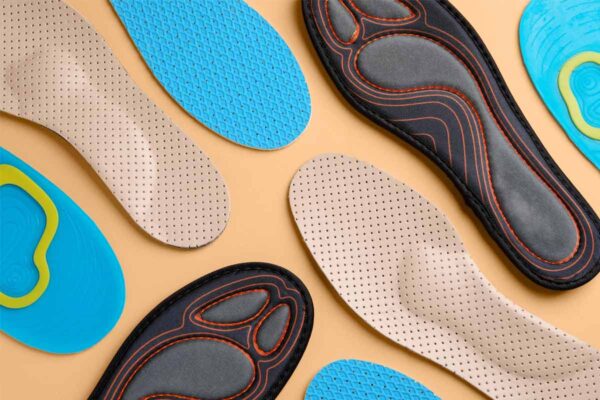
However, like any other intricate machine, your feet can sometimes fail, and when they do you might feel the repercussions throughout your whole body. For many, the simplest way to resolve foot discomfort comes through purchasing some over-the-counter shoe inserts from a local pharmacy; however, these mass-produced products merely offer generic cushioning. They are not designed to correct specific biomechanical flaws or accommodate unique anatomical structures, which could be the case with your feet. Luckily, custom orthotics may be able to help you.
Custom orthotics are highly specialised, prescription medical devices, designed to be precisely moulded to the exact contours of your feet and engineered to correct your specific gait abnormalities. By altering the angles at which the foot strikes the ground, custom orthotics optimise the biomechanics of your lower limbs, offering targeted support, offloading undue pressure on the feet, and restoring proper alignment. But how do you know when generic insoles are no longer sufficient?
Here are the primary signs that indicate you need to seek an assessment for custom orthotic support.
1. You Experience Persistent Foot or Heel Pain
Some foot fatigue after a long day isn’t out of the ordinary, but persistent, chronic pain is very often a clear distress signal from your body. One of the most common complaints is sharp, stabbing heel pain, particularly noticeable when taking your first steps in the morning. This is a common sign of plantar fasciitis; this is an inflammation of the thick band of tissue that runs across the bottom of your foot which connects your heel bone to your toes.
What happens to the plantar fascia in this case is that it undergoes excessive tension and microscopic tearing. Orthotics to correct this issue are designed to deeply cup the heel and provide exact arch support, effectively reducing the strain on the plantar fascia. By distributing your body weight more evenly across the entire surface of the foot, these devices alleviate the concentrated pressure that leads to severe heel and arch pain, allowing the inflamed tissues a chance to recover and heal properly.
2. Pain is Radiating to Your Knees, Hips, or Lower Back
When you think of your body, it isn’t a collection of separate systems, but rather a single interconnected whole. The feet act as the base, and any instability or misalignment at the foundation forces the joints above it to compensate. If your feet roll inward or outward excessively as you walk, it causes your lower leg to rotate abnormally. This unnatural rotation then places stress on the knee joints, which in turn alters the alignment of the hips and the lumbar spine.
Some early signs of foot misalignment can include chronic knee aches, hip stiffness, or lower back pain that seems to worsen after periods of weight-bearing activity. Custom orthotics can correct the pronation or supination at the root of your problems at the ground level, ensuring that your ankles, knees, hips, and spine stack correctly. By stabilising the foundation, these orthotics can then eliminate all the little movements compensating for that instability that trigger pain higher up in the body.

3. Your Shoes Show Asymmetrical or Severe Wear Patterns
Your shoes can tell a highly detailed story about your gait and how you walk. Take a look at the outsoles of your shoes, specifically the ones you wear most frequently. A normal, healthy gait will typically result in relatively even wear across the heel and the ball of the foot. However, if you notice that the tread is severely worn down on one specific side, it’s likely an indicator a structural imbalance.
If the inner edges of your shoes are heavily degraded, you are likely overpronating, meaning your feet are rolling inward too far during the gait cycle. Conversely, excessive wear on the outer edges suggests supination, where your weight is disproportionately shifted to the outside of your feet. Even a misalignment of just a few millimetres can drastically alter how you put weight on your feet, and how your shoes wear out. Custom orthotics can be crafted to correct these exact abnormal rolling motions; they can instead guide your foot into a neutral position and prevent the uneven deterioration of your foot and footwear. While you’re at it, it’s also a good idea to choose the right shoes to support you. Knowing how to choose supportive footwear can go a long way toward addressing any problems with your feet in addition to turning custom orthotics.
4. You Have Noticeably Flat Feet or Exceptionally High Arches
Both ends of the arch spectrum can lead to significant physical complications. Individuals with flat feet (a condition known as pes planus) have arches that collapse entirely when bearing weight. This structural deficit means the foot is unable to effectively absorb shock, sending jarring forces up the legs with every step.
On the other hand, individuals with unusually high arches, known as pes cavus, have highly rigid feet. Because the midfoot does not make full contact with the ground, an immense amount of pressure finds itself concentrated directly on the heel and the ball of the foot. Standard footwear is simply not equipped to manage these anatomical extremes. Custom orthotics provide the exact volume of support needed to hold up a collapsed arch or to fill the cavernous space of a high arch, redistributing weight safely across the entire plantar surface.
5. You Have Suffered a Lower Limb Injury
Recovering from an injury requires a delicate balance of rest and protected movement. And this is true of any injury, be it a severe ankle sprain, a stress fracture, or an Achilles tendon injury. Proper recovery requires an understanding of the way your foot interacts with the ground to ensure you get the rest you need. Faulty biomechanics can place undue stress on healing ligaments, tendons, and bones, which can hamper the healing process.
Custom orthotics in this instance serve as an essential tool for rehabilitative care. A specialist can design an orthotic device that intentionally limits a specific, harmful range of motion while transferring loads away from the damaged tissues. This highly controlled environment allows you to maintain mobility while ensuring that the injured area is protected from excessive strain.

6. Your Daily Routine Involves Prolonged Periods of Standing
Certain occupations and lifestyles might require you to spend hours on your feet. Perhaps it’s navigating clinical environments, working in retail, or managing a busy household, the common factor here is that frequent standing on hard, unyielding surfaces like concrete or tile has certain effects. While there are ways to adjust to such prolonged standing, it also pays to have adequate support for the feet to prevent the small muscles in the feet and lower legs becoming fatigued and causing cramping, swelling, and deep aching.
Generic shoe inserts tend to compress and lose their supportive properties quickly under constant pressure. Custom orthotics, however, are manufactured from durable, high-quality materials designed to withstand prolonged weight-bearing in the name of providing adequate support. They provide resilient cushioning and firm structural guidance that delays the onset of muscular fatigue. By keeping the foot properly aligned, orthotics ensure that the workload is shared efficiently among the leg muscles, making those long shifts significantly more manageable.
7. You Are Managing Diabetes or Neuropathy
For diabetes patients, meticulous foot care is far more than a matter of comfort; it’s a critical component of your overall health management. Diabetes can lead to peripheral neuropathy, a condition characterised by a gradual loss of protective sensation in the extremities. When you cannot feel a blister forming or sense a pebble inside your shoe, minor friction can quickly escalate into severe, difficult-to-heal ulcerations.
Another side effect of diabetes is that can compromise circulation, consequently making it harder for the body to repair tissue damage. Custom orthotics are absolutely vital for these patients. They are specifically engineered using specialized, friction-reducing materials to protect vulnerable skin. More importantly, they map the contours of the foot to eliminate high-pressure hot spots, accommodating any existing deformities and drastically reducing the risk of devastating foot complications.
Proper foot mechanics very often dictate the health and comfort of your entire body. When your foundation is compromised, ignoring the signs will only lead to further pain and biomechanical deterioration. Over-the-counter solutions may offer a brief moment of relief, but they cannot diagnose or treat the underlying mechanical deficits unique to your anatomy.
If you recognize any of these structural red flags, your most effective course of action is to seek a comprehensive biomechanical evaluation. With a little help, you can find an effective, targeted treatment to help address any issues with your feet, and improve your overall quality of life.
Dealing with chronic foot pain? You don’t have to put up with it. At PARC of Ontario, we provide personalised, targeted rehabilitation programmes designed to restore your mobility and overall well-being. Give us a call now at (905) 579-9938 to book a consultation and start addressing your problems.