What Are the Safest Ways to Test Your Physical Stability?
Key Takeaways:
- Safe home checks help you spot balance issues before they lead to serious falls
- A clean testing area with sturdy support prevents accidental trips or stumbles
- Professional physiotherapy identifies the root causes of unsteadiness and guides your recovery
- Tracking your balance scores over time makes it easy to monitor your physical progress
Physical stability is the baseline for basically every move you make. Whether stepping off a high curb, carrying a heavy bag of groceries, or heading down a dark flight of stairs, your body relies on a constant, split-second conversation between your brain and muscles to keep you upright. When that connection or your core strength starts to slip, your risk of a bad fall shoots up. Testing your physical balance at home gives you a quick snapshot of where you stand so you can fix weak spots before they cause real trouble.
Checking your balance doesn’t mean trying dangerous stunts or buying expensive gadgets. With a few low-impact, controlled self-checks in your living room, you can gather surprisingly accurate feedback about your body. Establishing this personal baseline makes it much easier to track whether your strength is improving or fading over time. You just need to know how to set up your space correctly and execute each move with safety top of mind.
What Role Does Physiotherapy Play in Measuring Stability?
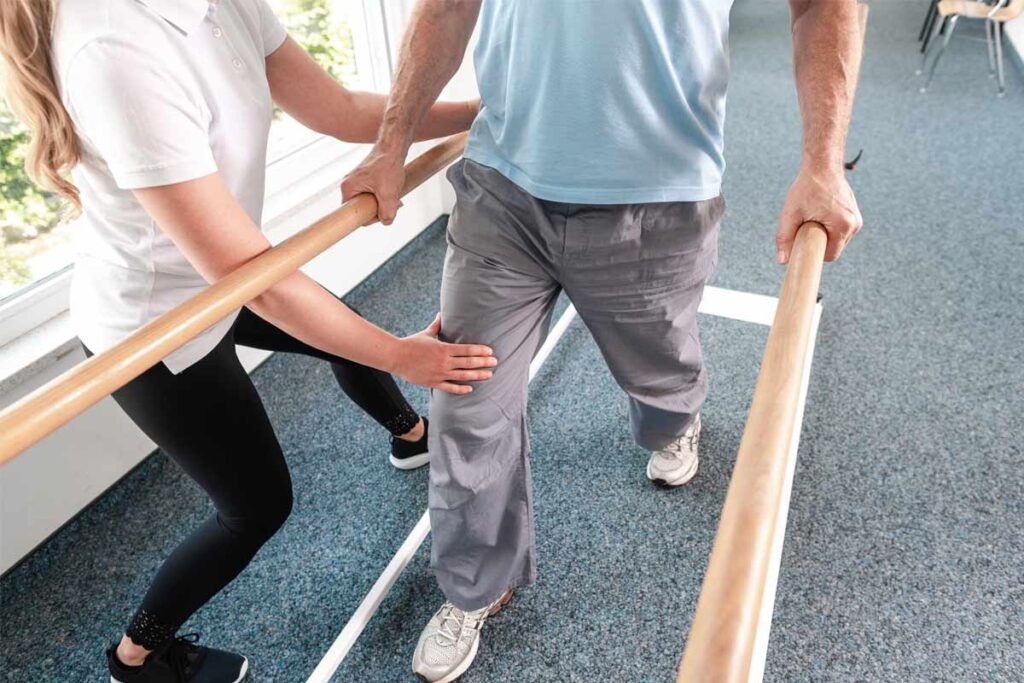
A professional clinical assessment remains the most accurate way to figure out how your body handles gravity and movement. Primary care doctors and rehab professionals don’t just look at whether you fall over; they examine how your nervous system, joints, and muscles collaborate under pressure. By running structured tests, physiotherapists can pinpoint tiny physical gaps and design a clear path back to full strength. Seeing how clinicians approach balance helps explain why careful, controlled testing matters so much.
During a formal evaluation, clinicians measure two distinct things: static balance (holding still) and dynamic balance (staying steady while moving). In a typical physiotherapy session, a clinician watches how your body adjusts when your weight shifts or when the floor texture changes under your feet. They rely on established tools like the Berg Balance Scale or the Timed Up and Go test to score your movement patterns objectively. These tests expose subtle weaknesses long before they turn into an unexpected slip or fall.
Good clinical care also gets to the root cause of why you feel off-balance in the first place. Your brain relies on three main sources to keep you upright: your eyes, your inner ear sensors, and your proprioception—which is your joints’ ability to sense where they are in space. A detailed physiotherapy review isolates which of these three systems is misfiring or slacking off. Once the main problem is clear, targeted exercises can be assigned to fix it safely.
Bringing these medical concepts into your living room takes a bit of planning, but it’s completely doable. While a quick self-test won’t replace a real doctor’s appointment, it uses the exact same core ideas to show you where your baseline sits. Learning these basic movements helps you track your physical health on your own time. As long as you follow basic safety steps, home testing is a safe, easy way to stay informed.

Which At-Home Balance Tests Are Safest to Try?
The best at-home balance checks use slow, low-impact movements to test different parts of your body. They show you how well your hips, ankles, and core adapt when your foundation gets smaller or less stable. Taking your time with each move gives you a clear look at your overall steady state. Here are four simple tests you can try at home:
1. Single-Leg Stance Test
Lifting one foot checks your single-leg strength and reveals how well your ankle joints judge balance.
- How to Do It: Stand next to a counter, lift one foot a couple of inches off the floor, and time how long you can hold it without grabbing support.
- Safety Tip: Hover your hands right over the counter so you can grip it immediately if you lose your balance.
2. Tandem Stance Check
The tandem stance narrows your base of support to measure your straight-line balance.
- How to Do It: Put one foot directly in front of the other so your front heel rests against your back toes.
- Safety Tip: Try this stance alongside a long, clear wall so your fingertips can brush it if you start swaying.
3. Timed Up and Go Check
This dynamic test checks how smoothly and safely you switch from sitting down to walking around.
- How to Do It: Sit in a solid chair, stand up, walk ten feet out, turn around, walk back, and sit down while timing yourself.
- Safety Tip: Clear your walking path completely and make sure you are wearing supportive, non-slip shoes.
4. Functional Reach Assessment
This movement tests how far you can lean forward without losing your footing or taking a step.
- How to Do It: Stand side-by-side near a wall, raise your arm to shoulder height, and reach forward as far as you safely can while keeping both feet flat.
- Safety Tip: Never reach so far that you have to take a recovery step, and keep your body close to the wall for support.
How Do You Interpret Your Stability Test Results?
After finishing these quick checks, taking time to review how you did offers great insight into your physical condition. Reading your results correctly helps you decide if you just need some extra walking or if it’s time for professional care. Looking honestly at both your steady moments and your wobbles gives you a clear view of your physical health. Understanding what these numbers mean helps you make smarter choices about staying active.
Strong physical stability looks like quiet, controlled movement without a lot of jerky adjustments. You should be able to hold static poses without your body swaying back and forth or your hands darting out to grab a wall. On moving tests, your steps ought to feel even, smooth, and confident from start to finish. Putting up consistent times across a few tries shows that your legs and core are doing their jobs well together.
On the flip side, certain red flags mean your body could use extra stability training. If you can stand on your right leg easily for 20 seconds but your left leg drops after 3 seconds, that points to a clear strength imbalance. Constantly shifting your feet, swaying heavily, or reaching out to grab support right away all mean your postural control is down. Catching these warning signs early gives you time to fix them before they turn into an accidental fall.
Keeping a simple logbook of your scores is a great way to watch your health trends over time. Every few weeks, write down your hold times, your walking speeds, and any wobbles in a notebook. Bringing these written notes to your doctor or sharing them during a physiotherapy visit gives your care team super helpful context. Regular tracking turns basic home checks into a useful tool for staying healthy over the long haul.
When Should You Consult a Healthcare Professional?
Home balance checks are great for day-to-day tracking, but some signs mean you should call in a healthcare professional. Knowing when to move from home testing to direct medical care ensures you fix small problems before they turn into severe injuries. Getting professional eyes on your movement gives you access to custom care plans designed to keep you mobile. Taking that step is a great way to stay active and independent.
You should reach out for a professional opinion if you’ve been tripping a lot, stumbling unexpectedly, or if you had a fall over the last year. Symptoms, like sudden room-spinning, lingering lightheadedness, or inner ear pressure, also mean it’s time to get checked out. Starting a targeted physiotherapy routine helps treat those issues directly with safe, evidence-based exercises. Getting care early drops your fall risk and builds your confidence back up.
During a professional visit, a physiotherapist runs through a full movement exam to pinpoint why you feel unsteady. They take a close look at your leg strength, joint movement, reflexes, and walking stride in a safe, controlled room. Your therapist might build a custom physiotherapy plan aimed at strengthening your ankles, hips, and core muscles. If your balance issues come from your inner ear, they can also provide specialized vestibular care.
Working with a licensed therapist gives you a clear, personalized roadmap to get your strength back. They make sure you do exercises with safe form, measure your gains objectively, and update your routine as you get stronger. Pairing regular home checks with professional physiotherapy care keeps you moving safely through every stage of life. Putting time into your stability today protects your freedom and mobility for years to come.
Restore Your Balance and Confidence with PARC of Ontario
Taking charge of your balance is one of the smartest things you can do to prevent injuries and protect your everyday freedom. If your home checks showed a few shaky spots, getting professional clinical guidance can help you rebuild your stability safely. The team at PARC of Ontario offers detailed evaluations to help you understand your movement needs and build a clear path forward.
Our clinical locations offer personalized physiotherapy care in Scarborough tailored around your personal health goals. Whether you are dealing with inner ear dizziness, recovering from a stumble, or just looking to strengthen your core, we guide you through every phase of your recovery. Call us today at 416.430.0314 to book your physical assessment and start moving with total peace of mind again!
Frequently Asked Questions
1.Does wearing shoes change your balance test results?
Yes. Testing barefoot measures your raw foot sensor function and ankle strength, while wearing supportive shoes adds artificial stability. It is best to perform home checks barefoot (or in non-slip socks) to get an accurate reading, but always wear supportive footwear if you have neuropathy, severe foot pain, or balance disorders.
2.How often should you test your physical balance at home?
Checking your balance once every 3 to 4 weeks is ideal for tracking gradual changes in your strength and joint awareness. Testing daily can lead to day-to-day fluctuation fatigue, while waiting several months might cause you to miss subtle declines in your functional stability.
3. Can poor vision directly affect your physical stability?
Absolutely. Your eyes provide up to 80% of the sensory information your brain uses to maintain balance, especially when walking in unfamiliar spaces. If your vision prescription is outdated or you have untreated cataracts, your brain receives delayed visual cues, which significantly increases your risk of a stumble.
4. Why do balance issues often feel worse at night or in the dark?
When lighting is low, your brain can no longer rely on visual landmarks to keep you centered, forcing your body to depend entirely on your inner ear and joint sensors. If those two systems are already weakened or under-conditioned, your unsteadiness becomes much more noticeable in dim environments.