What Actually Happens to Your Body During a Massage?
Key Takeaways:
- Manual soft tissue manipulation triggers direct physiological changes in your muscles, nervous system, and blood circulation.
- Physical pressure clears out cellular waste products and restores natural length to tight muscle fibers.
- Targeted touch lowers systemic stress hormones while increasing your body’s natural pain-relieving chemicals.
- Regular soft tissue care rehydrates stiff connective tissue to improve overall joint movement and prevent injuries.
- Hands-on care helps shift your body out of a fight-or-flight state to lower heart rate and blood pressure.
The immediate relief you feel after a session is clear, but specific physical changes happen under your skin during treatment. Hands-on manipulation is not just a quick treat. Targeted physical pressure triggers clear mechanical, chemical, and biological shifts in your muscles, nerves, and blood circulation. Booking massage therapy in Oshawa helps local residents use these natural body processes to reduce daily stiffness, speed up recovery, and lower stress.
How Massage Therapy in Oshawa Helps Muscle Recovery?
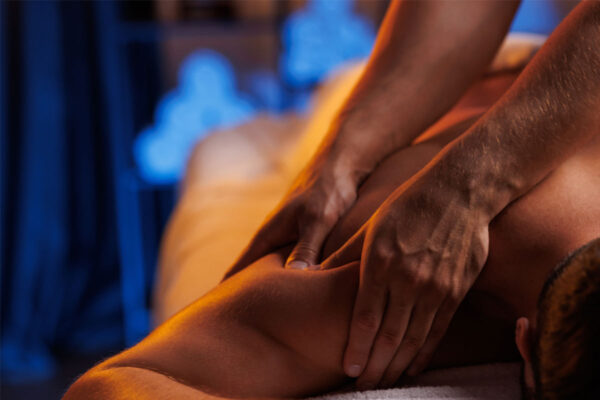
Targeted soft tissue pressure directly changes how your muscles work and heal. Applying steady pressure creates simple friction that separates tight muscle fibers and unbinds painful knots. This physical process changes tight tissue while increasing internal blood flow.
- Friction unbinds tight muscle knots. Direct pressure separates stuck muscle fibers so your soft tissue glides without pain or catching.
- Fresh blood flows into pressed muscles. Squeezing tight spots pushes out old fluid, allowing oxygen-rich blood to rush back into the tissue.
- Cellular waste clears out much faster. Better local blood flow speeds up the removal of waste products that cause soreness after exercise.
- Restored length helps muscles work right. Releasing tight points lets overworked muscles stretch back out to their normal operating length.
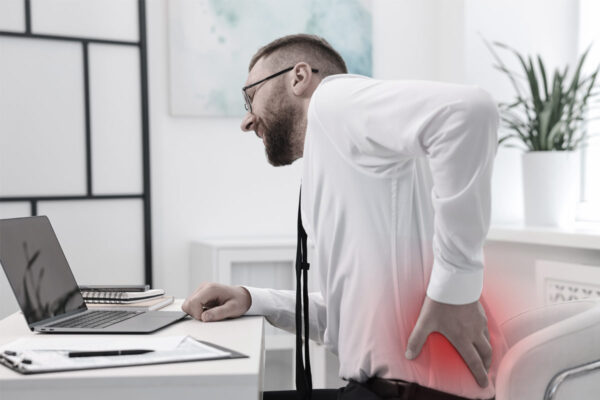
Physical tension builds up quickly from driving, heavy lifting, or long desk hours. Choosing massage therapy in Oshawa helps reduce tight tension in overworked back and shoulder muscles. Clearing out waste and restoring muscle length supports your everyday physical recovery.
How Does Manual Pressure Calm the Nervous System?
Focused touch changes how signals move through your nervous system. Gentle to moderate pressure on skin and muscle receptors sends fast signals to your brain, helping turn down overactive stress responses.
- Your body switches to a resting state. Steady pressure lowers fight-or-flight activity and turns on your body’s natural rest response.
- Your heart rate and blood pressure drop. Stimulating nerve paths signals your brain to slow your pulse and relax tight blood vessels.
- Touch signals block incoming pain signals. Fast-moving sensory signals from touch travel up your spinal cord faster than slower pain messages, reducing felt pain.
This calm nervous system response helps you manage stress from busy work hours or family schedules. Calming your nerves reduces both mental stress and the physical muscle tightness that comes with it.
What Hormonal Changes Trigger Deep Relaxation?
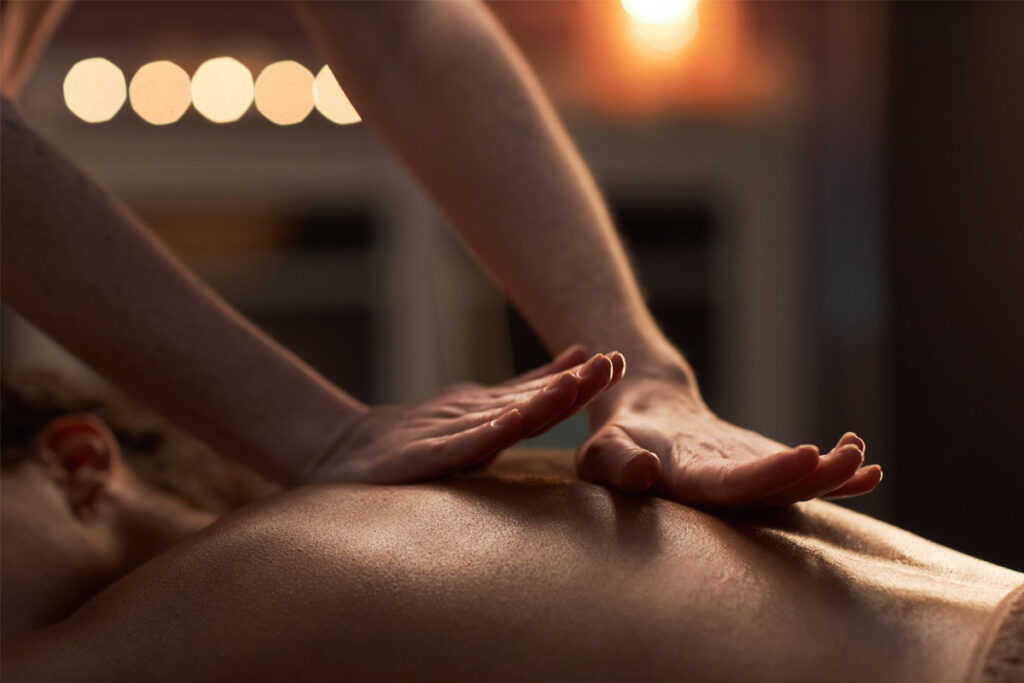
Soft tissue treatment directly changes hormone levels in your bloodstream. Sustained pressure changes your hormone production within minutes, reducing physical discomfort and helping you feel calm.
- Cortisol levels drop during your visit. Stress hormones drop quickly as your body responds to safe physical contact.
- Endorphins and dopamine levels increase. Your brain releases natural pain-reducing chemicals into your bloodstream to ease physical soreness.
- Oxytocin release builds physical calm. Touch triggers the release of oxytocin, which lowers anxiety and helps you feel steady and grounded.
These chemical changes clear away mental fatigue and support your body. Lower stress hormones combined with higher pain-reducing chemicals create a calm state that lasts long after your appointment ends.
How Does Soft Tissue Manipulation Improve Mobility?
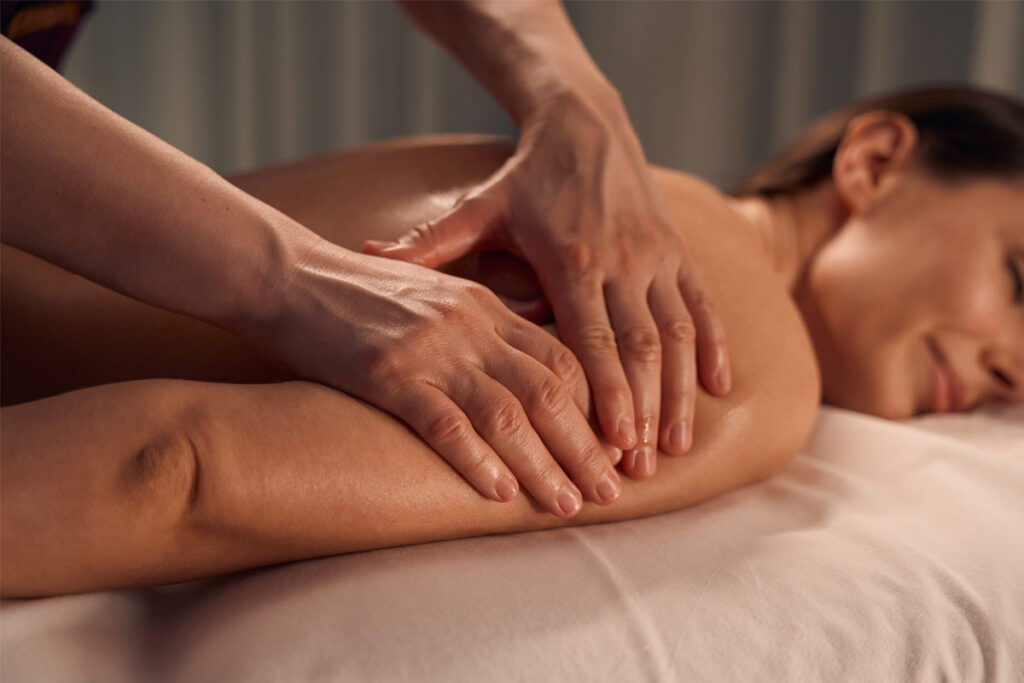
Manual tissue work improves joint movement by restoring stretchiness to your connective tissues. Muscles are wrapped in a thin web called fascia, which hardens when dehydrated, injured, or overused. Targeted pressure restores smooth movement to these rigid areas.
- Stiff connective tissue becomes flexible. Continuous pressure warms up the fascia, changing stiff tissue into a pliable layer.
- Joints move through a full range. Relaxing tight muscles reduces tension on tendons, helping your joints move without stiffness.
- Fluid drainage reduces local swelling. Directional pressure guides trapped fluid through natural channels to lower tissue swelling in tired limbs.
Residents walking the Joseph Kolodzie Oshawa Creek Trail or playing local sports benefit from better joint movement. Restoring tissue stretch keeps your body moving easily and lowers your risk of pulling a muscle during daily tasks.
Give Your Muscles the Care They Need at PARC of Ontario
Keeping your body healthy requires a simple, regular approach to muscle and tissue care. The team at PARC of Ontario offers clear clinical care to help you move easily, recover from injury, and lower daily physical strain. Whether you need to fix long-standing muscle stiffness or want to improve your overall mobility, care plans match your exact needs.
Visit our clinic, or call (905) 579-9938 to set up your appointment. Experience the clear physical benefits of massage therapy in Oshawa by booking your visit with PARC of Ontario today.
Frequently Asked Questions
1.How much water should I drink after a session?
Drinking one to two large glasses of water immediately after treatment helps your kidneys filter and flush out the metabolic waste products released from your muscles.
2. Is it normal to feel sore the day after treatment?
Mild muscle soreness for 24 to 48 hours is a normal response to deep tissue manipulation as your muscle fibers adapt and repair.
3. How often should I schedule appointments for chronic stiffness?
Receiving care once every one to two weeks is generally recommended when actively resolving long-standing tightness, transitioning to monthly maintenance once mobility improves.
4. Can I exercise right after my appointment?
It is best to avoid intense workouts for at least 24 hours post-treatment to allow your muscles time to rest, rehydrate, and recover.
5. What should I wear to my appointment?
You may wear loose, comfortable clothing, as you will be privately draped with a sheet or towel and only the specific area being worked on will be uncovered