The Ultimate Hiking Checklist: Bracing and Footwear for Rugged Terrain
Hiking rugged terrain puts serious stress on your body, so you need the right gear to stay safe out there. Your feet, ankles, and knees take the brunt of the impact on uneven paths. Having a solid plan keeps you on the trail longer and prevents trips from ending early.
We broke down everything you need right here, covering footwear, bracing, and all the essential gear.
Why Proper Hiking Gear Matters
Rugged terrain is totally unforgiving. One wrong step can easily ruin a weekend trip.
Good gear prevents those annoying injuries and keeps your joints stable when you need it most. It stops blisters before they even start forming. You end up conserving a ton of energy when you have the right setup working for you.
Footwear: Your Foundation on the Trail
Your boots are your absolute most crucial piece of gear. They connect you directly to the ground beneath you. Wearing the wrong fit just leads to misery and sore feet.
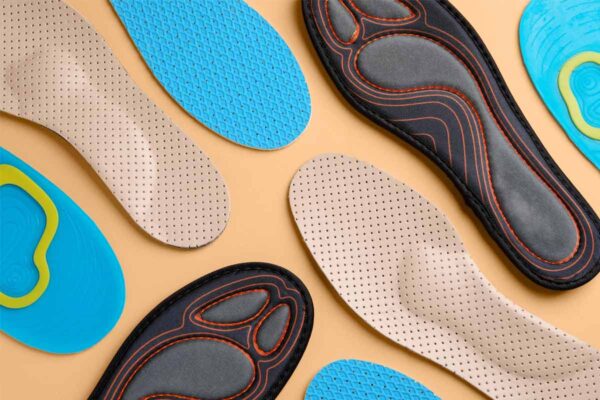
We put together exactly what you need to know about picking the right hiking footwear.
Trail Runners
- Lightweight design.
- Highly breathable materials.
- Quick-drying when wet.
- Flexible soles for fast movement.
- Zero ankle support.
- Best for well-groomed paths and fastpackers.
- Shorter lifespan than boots.
Day Hiking Boots
- Mid-cut height.
- Moderate ankle support.
- Relatively flexible outsoles.
- Short break-in period.
- Great for weekend trips.
- Suitable for light to moderate packs.
- Good balance of weight and protection.
Backpacking Boots
- High cut wrapping above the ankle.
- Stiff midsoles for load-bearing.
- Thick, durable outsoles.
- Maximum ankle support.
- Excellent for carrying heavy loads.
- Ideal for off-trail travel and rough ground.
- Require a significant break-in period.
Boot Materials Explained
- Full-grain leather is incredibly durable and water-resistant.
- Split-grain leather is lighter and highly breathable.
- Nubuck leather offers water resistance and flexibility.
- Synthetics like nylon and polyester break in quickly and dry fast.
- Waterproof membranes keep feet dry in rain and mud.
Choosing the Right Fit
- Shop at the end of the day. Feet swell.
- Wear your actual hiking socks.
- Check the toe box. You need wiggle room.
- Test on an incline. Your toes should not hit the front.
- Check for heel lift. Your heel must stay locked down.
- Try different lacing techniques to secure the fit.
Don’t Forget to Wear the Right Socks
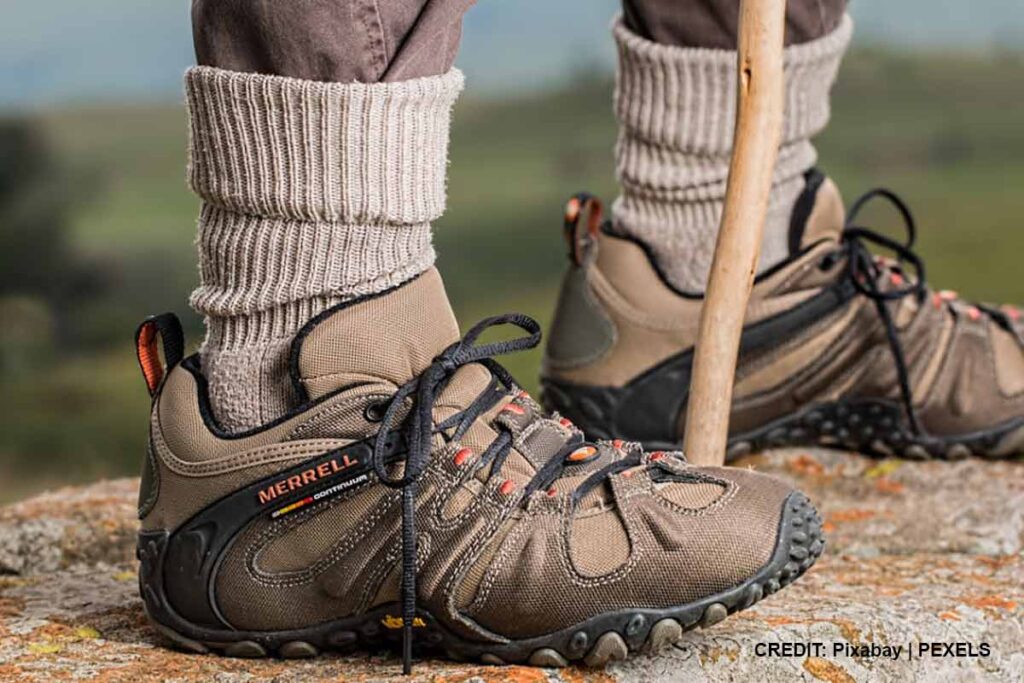
Boots are really only half the equation for happy feet. Socks are what actually manage the moisture and friction inside the shoe. Cotton is a terrible choice because it holds onto sweat and guarantees blisters.
Merino wool is amazing because it regulates your temperature beautifully. Synthetic blends give you really great durability for the long haul. Look for seamless toes to prevent annoying rubbing on long descents. You might want to consider liner socks for an extra layer of blister protection.
Tons of hikers absolutely swear by compression socks and stockings for those long days on their feet. They help massively with circulation and keep the swelling down.
Bracing and Support for Joints
Uneven ground forces your joints into weird, awkward angles all day long. Rocks and hidden roots are constant hazards waiting to trip you up.
Braces offer real mechanical support and a lot of peace of mind. They help you manage previous injuries safely. They do a great job of preventing new ones from happening in the first place.
Ankle Support Systems
- Lace-up braces provide rigid support.
- Sleeves offer mild compression and warmth.
- Figure-eight straps mimic athletic taping.
- Rigid stirrup braces stop rolling.
- Use braces if you have a history of sprains.
- Pair them with the right boot height for maximum effect.
Knee Braces for Downhill Treks
- Downhill hiking destroys knees.
- Patellar straps relieve tendon pain.
- Hinged braces offer serious side-to-side stability.
- Compression sleeves keep the joint warm.
- Unloader braces help with arthritis pain.
- Always test a brace on a short walk first.
- Take steps to reduce joint pain naturally through strengthening exercises.
Bonus Tip: Fueling Your Body
Hiking burns a massive amount of calories from start to finish. You need constant energy inputs to keep your muscles firing.
Don’t neglect nutrition on those long, gruelling treks. Pack plenty of nutrient-dense foods to keep your stamina up.
Great Trail Snacks
- Mixed nuts and seeds for healthy fats.
- Dried fruit for quick sugar.
- Beef or turkey jerky for protein.
- Energy bars and protein bars.
- Peanut butter packets.
- Dark chocolate.
- Salty pretzels to replenish sodium.
Creating the Ultimate Trail Mix
- Start with a base of almonds and walnuts.
- Add pumpkin seeds for crunch.
- Throw in dried cranberries or raisins.
- Mix in dark chocolate chips for quick energy.
- Add a dash of sea salt.
- Portion the mix into daily baggies.
What to Do for Optimal Post-Hike Recovery
The hike does not end when you finally reach the car. Your body needs proper care to bounce back for the next trip. Ignoring your recovery routine leads to stiff muscles and lingering pain.
Immediate Actions
- Take off your boots immediately.
- Elevate your legs to reduce swelling.
- Drink a recovery shake with protein and carbohydrates.
- Do light static stretching focusing on calves, hamstrings, and quads.
- Use a foam roller on tight muscles once you get home.
Professional Care and Maintenance
Sometimes simple rest is just not enough to heal up. Persistent pain definitely requires a professional look to figure out what is wrong. Ignoring a small ache usually turns it into a chronic issue down the road.
Getting assessed by a professional speeds up your overall recovery timeline. It identifies specific weak points in your movement patterns. It provides a targeted, custom plan to fix them up.
Booking a session for our physiotherapy in Oshawa gets you back on the trail safely and quickly. Our experts can recommend highly specific exercises tailored directly to hikers. They can custom-fit braces for your exact anatomical needs.
Final Thoughts on Trail Readiness
Solid preparation completely defines your outdoor experience. The right footwear prevents immediate pain and bad blisters. The right bracing secures your joints for the long haul.
Ready for the Trail?
Do not let joint pain or old injuries hold you back from hitting the trails. Get a custom brace fitting and an expert movement assessment to see where you stand.
Start a highly personalized recovery program tailored directly to your outdoor goals. Contact PARC of Ontario at (905) 579-9938 to book your consultation today.