Sports Massage vs. Deep Tissue Massage: Which Is Better for Athletes?
Athletes put a lot of strain on their muscles during training and competition. Massage therapy helps ease tension, improve recovery, and keep the body in top condition. Sports massage and deep tissue massage are two popular options, but they serve different purposes. Understanding their benefits can help athletes choose the right one for their needs.
Why Massage Therapy Is Important for Athletes
Massage therapy plays a crucial role in an athlete’s training and recovery process. It helps reduce muscle tension, improves flexibility, and prevents injuries. Regular sessions also speed up healing and promote overall well-being.
Massage therapy increases blood circulation, allowing oxygen and essential nutrients to reach the muscles more efficiently. This process helps flush out toxins and reduces lactic acid buildup, which can cause post-workout soreness. As a result, athletes experience less stiffness and recover faster after intense physical activity.
- Improves Flexibility and Mobility
Tight muscles can limit an athlete’s range of motion, making movements feel restricted or uncomfortable. Massage therapy loosens muscle fibres and reduces tension, allowing for smoother and more fluid movement. With improved flexibility, athletes can perform at their peak and reduce the risk of strain during activity.
Overworked or tight muscles are more susceptible to strains, sprains, and tears. Massage therapy helps relax these muscles and keeps the soft tissues in optimal condition, making them more resilient to stress. By maintaining muscle elasticity and balance, athletes can train harder without the fear of frequent injuries.
Minor injuries like muscle strains, joint stiffness, and soft tissue damage are common among athletes. Massage therapy promotes circulation, which helps deliver oxygen-rich blood to damaged tissues and accelerates the healing process. Faster recovery times mean athletes can return to training and competition with minimal downtime.
- Supports Mental Well-Being
Competitive sports can be mentally demanding, leading to stress and anxiety before big events. Massage therapy helps lower cortisol levels, the hormone responsible for stress, while increasing serotonin and dopamine, which promote relaxation. This balance allows athletes to stay focused, calm, and mentally prepared for performance.
What Is Sports Massage?
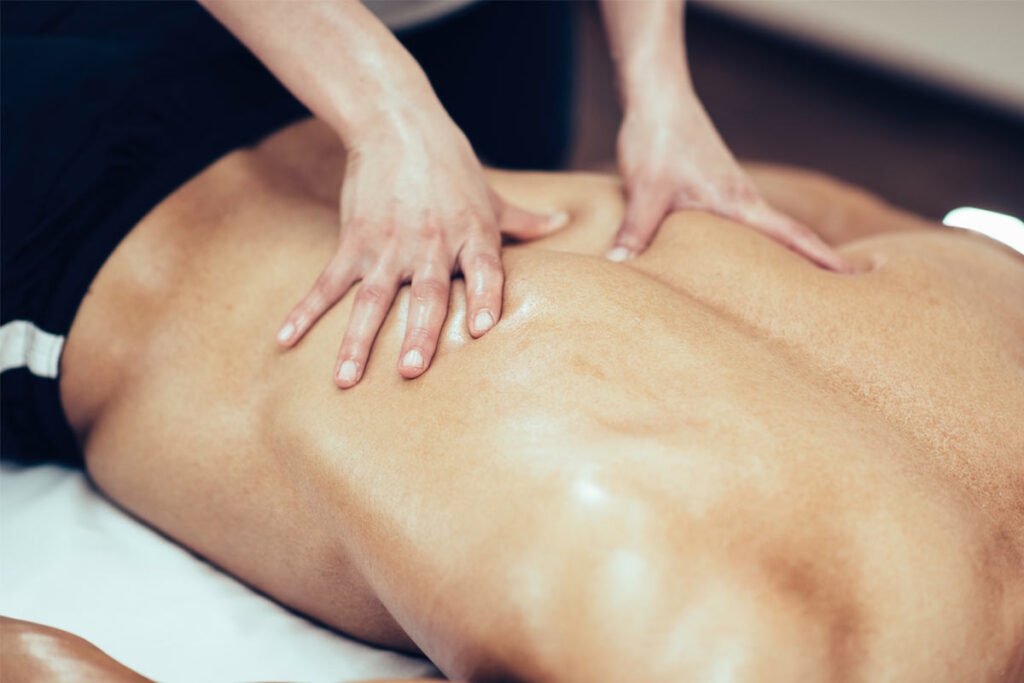
Sports massage is a specialized form of massage therapy designed for athletes. It targets specific muscle groups used in a sport, helping with performance and recovery. This type of massage can be used before or after physical activity.
Key Techniques Used in Sports Massage
- Effleurage – Light strokes warm up the muscles and improve circulation, which helps the body prepare for deeper pressure. Effleurage is often used at the start of a session to ease tension and enhance relaxation.
- Petrissage – Kneading motions apply pressure to soft tissues to release tightness and improve elasticity. It also helps flush out metabolic waste from the muscles, reducing post-exercise soreness.
- Compression – Sustained pressure increases blood flow to specific areas, reducing muscle stiffness. This technique is especially useful after an intense workout to promote faster recovery.
- Stretching – Gentle or deep stretching techniques improve flexibility and help prevent muscle imbalances. Athletes who include stretching in their massage therapy sessions often experience fewer injuries.
- Trigger Point Therapy – This technique focuses on releasing muscle knots that cause discomfort or restrict movement. By applying direct pressure to trigger points, athletes can experience pain relief and improved mobility.
When Should Athletes Get a Sports Massage?
- When Experiencing Chronic Muscle Pain or Stiffness
Athletes who deal with ongoing muscle discomfort often have deep knots and tightness that affect their performance. Massage therapy using deep pressure targets these problem areas, helping to break up adhesions and release built-up tension. Over time, this approach restores normal muscle function and reduces persistent pain.
- During Recovery from Injuries
Injuries often lead to scar tissue formation, which can restrict movement and cause lingering stiffness. Massage therapy improves circulation in the affected area, delivering oxygen and nutrients that support tissue repair. By breaking down scar tissue and enhancing flexibility, deep tissue massage helps athletes regain full mobility and recover more effectively.
- After Intense Training Periods
Repetitive training and heavy workouts can lead to muscle tightness and deep-seated tension. Massage therapy works to relieve stiffness, reduce inflammation, and improve overall muscle function. This ensures athletes maintain flexibility, prevent long-term strain, and continue training without unnecessary discomfort.
Benefits of Sports Massage for Athletes
- Injury Prevention – Consistent massage therapy keeps muscles flexible and reduces the risk of strains, sprains, and muscle tears. Healthy muscles are more resilient under physical stress, helping athletes avoid downtime due to injuries.
- Increased Range of Motion – When muscles become tight, movement can feel restricted, making certain athletic motions difficult. Sports massage helps loosen tight muscles, allowing for a full and natural range of motion.
- Faster Recovery – Sports massage stimulates circulation, bringing oxygen-rich blood to the muscles and speeding up tissue repair. This enables athletes to recover more quickly and return to training without extended rest periods.
- Pain Relief – Muscle soreness and tension can interfere with an athlete’s ability to train effectively. Sports massage helps relieve discomfort by reducing muscle knots and increasing relaxation.
What Is Deep Tissue Massage?
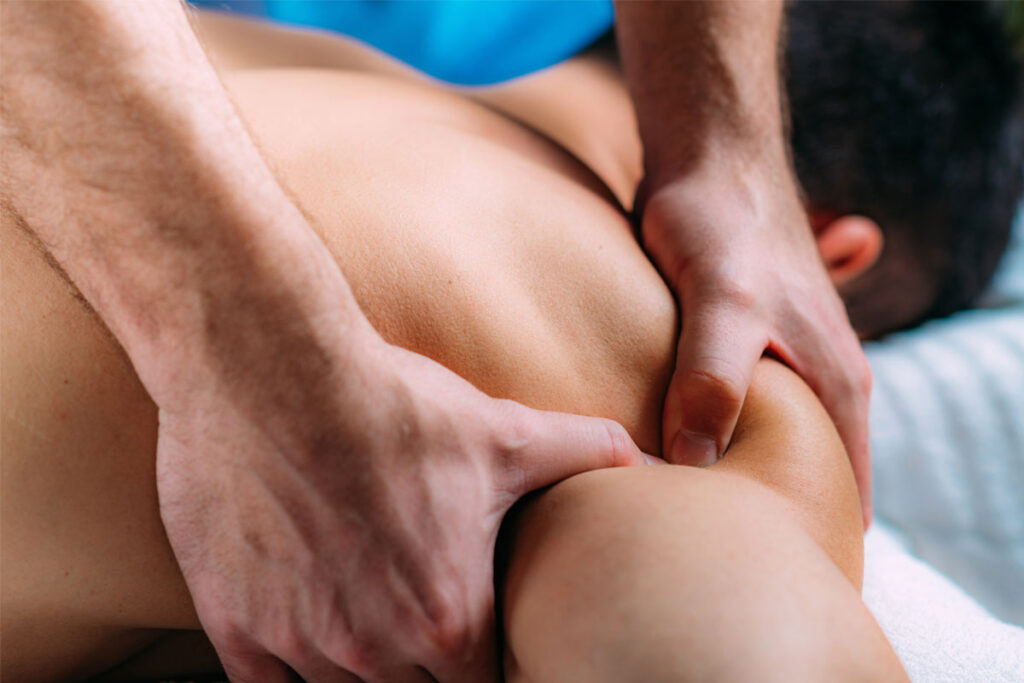
Deep tissue massage is another form of massage therapy that focuses on the deeper layers of muscle and connective tissue. It is designed to break down muscle knots and relieve chronic tension. This type of massage is ideal for athletes dealing with persistent soreness or injuries.
Key Techniques Used in Deep Tissue Massage
- Stripping – This technique involves applying deep pressure along the length of the muscle fibres to break up tension. It is useful for addressing chronic tightness and improving overall muscle function.
- Friction – Slow, firm strokes are used to break down adhesions and scar tissue, restoring mobility in stiff muscles. This technique is especially beneficial for athletes recovering from injuries.
- Myofascial Release – Gentle, sustained pressure stretches and loosens the fascia, the connective tissue surrounding muscles. This improves overall muscle flexibility and reduces discomfort.
- Cross-fibre Massage – Pressure is applied perpendicular to muscle fibres to break up adhesions and improve movement. This technique is commonly used to address deep muscle tightness and improve recovery.
When Should Athletes Get a Deep Tissue Massage?
- Experiencing Chronic Muscle Pain or Stiffness
Athletes who experience constant discomfort often have deep knots and tight muscle fibres that limit movement. Massage therapy using firm pressure targets these tight areas, gradually breaking down adhesions and improving circulation. This helps restore muscle flexibility, reduce pain, and enhance overall performance.
- During Recovery from Injuries
Injuries often lead to scar tissue that restricts movement and causes long-term stiffness. Massage therapy helps break down these adhesions while increasing blood flow to promote faster healing. By improving tissue elasticity, deep tissue massage restores mobility and reduces the risk of re-injury.
- After Intense Training Periods
Heavy training sessions can leave muscles feeling sore, stiff, and fatigued. Massage therapy works to release deep-seated tension, flush out toxins, and reduce inflammation. This ensures muscles stay flexible, recover faster, and remain in peak condition for future workouts.
Benefits of Deep Tissue Massage for Athletes
- Breaks Down Scar Tissue – Repetitive movements and injuries can cause scar tissue buildup, which limits flexibility. Deep tissue massage helps break down this tissue, improving range of motion and reducing stiffness.
- Reduces Chronic Muscle Tension – Athletes who train regularly may develop deep knots in their muscles. Deep tissue massage helps relieve these knots, reducing pain and improving muscle function.
- Improves Circulation – Poor circulation can slow down recovery after workouts. Deep tissue massage increases blood flow, delivering nutrients to the muscles and speeding up healing.
- Enhances Mobility – Tight muscles and fascia can restrict movement, making it harder to perform certain athletic motions. Deep tissue massage helps loosen these tissues, allowing for smoother and more efficient movement.
Choosing the Right Massage for Your Needs
Athletes have different recovery needs depending on their training intensity, physical condition, and goals. Some require a treatment that targets deep muscle tension, while others need a technique that enhances flexibility and circulation. Understanding how each type of massage therapy works can help in making the right choice for optimal performance and recovery.
Factors to Consider
- Training Intensity – Athletes with high-intensity training schedules may benefit from regular sports massages to maintain flexibility. Deep tissue massage may be better for those who experience frequent muscle tightness.
- Injury History – Those with previous injuries or chronic muscle pain may need deep tissue massage to help with long-term recovery. Sports massage is ideal for preventing new injuries and maintaining muscle health.
- Recovery Goals – If the goal is quick recovery and performance enhancement, sports massage is the better choice. If the focus is on deep tension relief and long-term muscle health, deep tissue massage is more beneficial.
Consulting a Massage Therapist
A professional can assess an athlete’s muscle condition, training routine, and recovery needs to determine the most effective type of massage therapy. This ensures that the treatment targets specific problem areas, whether it’s deep muscle tension, flexibility issues, or injury recovery. By creating a personalized plan, therapists can help athletes maintain peak performance while minimizing the risk of future injuries. Regular, customized sessions also improve overall muscle health, allowing athletes to train harder and recover more efficiently.
Maximize Your Recovery with PARC of Ontario’s Massage Therapy in Oshawa
Athletes need proper recovery to perform at their peak. PARC of Ontario offers massage therapy Oshawa services tailored to help with muscle recovery, injury prevention, and flexibility improvement. Whether you need a sports massage for pre-event preparation or a deep tissue massage for long-term pain relief, our experienced therapists are here to support your training. Call us at (905) 579-9938 to book a session today and give your muscles the care they need to keep you performing at peak levels!