Pre-hab vs. Rehab: When and Why You Should See a Physiotherapist Before You’re In Pain
Most people only think about booking a physiotherapy appointment when something goes wrong. A tweaked lower back from lifting a heavy box, a twisted ankle during a weekend soccer game, or the long road to recovery following a scheduled knee replacement—these are the traditional triggers for seeking professional help.
However, the world of physical health and wellness is experiencing a massive paradigm shift. We are moving away from a purely reactive model of healthcare and embracing a proactive one.
This brings us to the growing debate and complementary relationship between “pre-hab” (prehabilitation) and “rehab” (rehabilitation).
Why wait until you are sidelined by pain or injury to start taking care of your musculoskeletal system?
In this comprehensive guide, we will explore the critical differences between pre-hab and rehab, and why scheduling a visit to your local physiotherapist before the warning lights start flashing on your body’s dashboard might be the best investment you can make for your long-term health, performance, and well-being.
What Is Rehabilitation?
The Reactive Approach
To understand pre-hab, we first need to define its well-known counterpart: rehabilitation. Rehabilitation is the traditional, reactive approach to physical therapy. It is the process of restoring function, mobility, and strength after an injury has occurred or a surgery has taken place.
When you are in rehab, your body has already experienced trauma. The primary goals of a rehabilitation program are to:
- Reduce acute pain and manage inflammation.
- Promote the healing of damaged tissues (muscles, ligaments, tendons).
- Regain lost range of motion and functional independence.
- Prevent long-term complications or permanent disability resulting from the injury.
For example, if you tear a rotator cuff, your rehabilitation will start with gentle, low-intensity movements to prevent stiffness, gradually progressing to targeted strengthening exercises as the tissue heals over weeks or months.
Rehab is an absolute necessity—it puts the pieces back together. However, it is inherently restorative. You are working backward just to get back to your baseline.
What if, instead, you could raise that baseline so high that the injury never happens, or the surgical recovery is cut in half?
What Is Pre-hab?
The Proactive Approach
Enter prehabilitation, or “pre-hab.”
Pre-hab is the proactive, preventative counterpart to rehab. It involves utilizing physiotherapy techniques before an injury occurs or before a planned surgery takes place.
The philosophy is simple: prepare the body for the physical demands of life, sport, or medical procedures by optimizing strength, flexibility, balance, and joint stability in advance.
Think of pre-hab as a tune-up for your car. You do not wait for the engine to seize before changing the oil; you perform regular maintenance to ensure the vehicle runs smoothly and avoids catastrophic failure.
Your body requires the exact same level of preventative care.
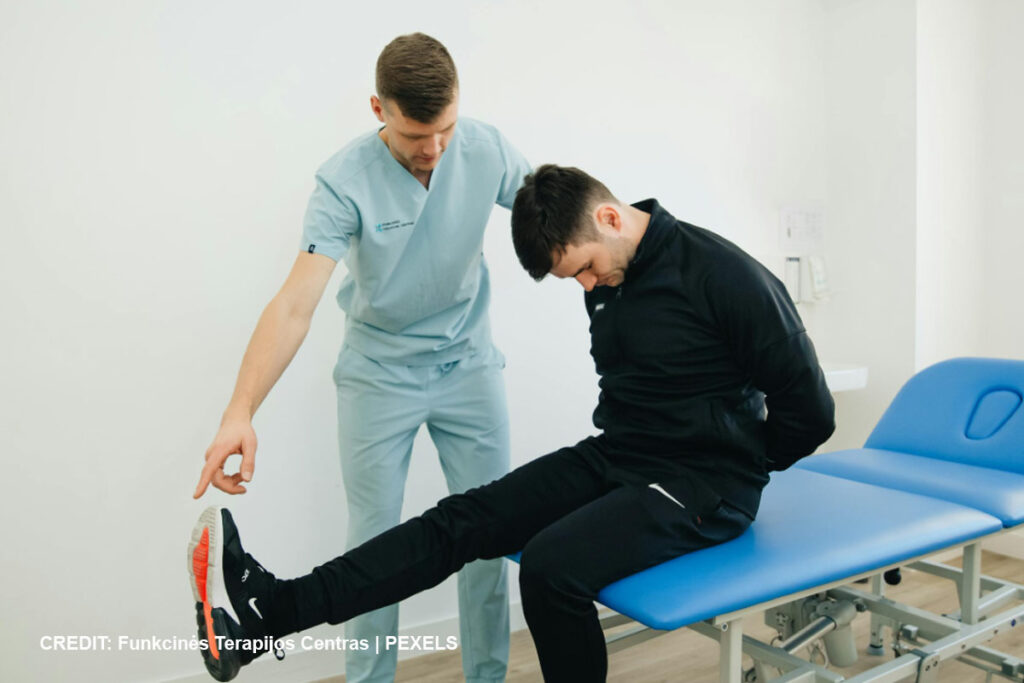
During a pre-hab assessment, a physiotherapist will look for hidden vulnerabilities. They will analyze your posture, evaluate your gait, check for muscle imbalances, and identify areas of limited mobility.
For instance, if you sit at a desk all day, your hip flexors may be chronically tight, and your glutes may be underactive. Over time, this imbalance forces your lower back to overcompensate, eventually leading to a painful spasm.
A pre-hab program will identify this exact issue and correct it through targeted stretching and strengthening exercises before that painful spasm ever occurs.

The Major Benefits of Pre-hab
Engaging in a pre-hab program offers a wealth of benefits that extend far beyond simply avoiding a trip to the doctor:
- Injury prevention: By addressing weaknesses, asymmetries, and poor movement patterns, you drastically reduce your risk of strains, sprains, and tears. Your body becomes more resilient and better equipped to handle sudden physical stresses.
- Optimized surgical outcomes: If you are scheduled for a joint replacement, ACL repair, or even abdominal surgery, pre-hab is your best friend. Patients who enter surgery stronger and more flexible have significantly shorter recovery times. They experience less post-operative pain, regain their functional independence faster, and have a lower risk of complications. Building a strong foundation before the trauma of surgery means you have less ground to make up during post-op rehab.
- Improved movement efficiency: Pre-hab corrects faulty biomechanics. When your joints move through their full, intended range of motion without restriction, everything from walking up the stairs to lifting heavy groceries becomes easier, more fluid, and less taxing on your body.
How Pre-hab in Athletics Elevates Performance
While pre-hab is beneficial for everyone, it is particularly crucial for athletes and highly active individuals.
In the context of sports, the physical demands placed on the body are extreme and often repetitive. An athlete’s pre-hab program is highly specialized, focusing on sport-specific movements and the muscles most susceptible to overuse in their particular discipline.
For example, a baseball pitcher will focus heavily on shoulder stability and core power to protect their rotator cuff, while a soccer player might prioritize ankle proprioception and hamstring strength to avoid mid-season tears.
Incorporating our professional sports therapy in Ajax into your pre-season and regular-season training regimen can mean the difference between a championship year and a season spent on the bench with an injury.
Sports therapists do not just treat injuries – they analyze your biomechanics to enhance your power output, agility, and endurance, ensuring your body can safely withstand the rigours of heavy competition.
The Surprising Link Between Stress, Tension, and Physiotherapy
It is a common misconception that physical therapy is solely about bones, joints, and muscles in a purely mechanical sense.
In reality, the mind and body are deeply connected, and mental stress frequently manifests as severe physical pain.
When you are overwhelmed, your body enters a “fight or flight” state. This sympathetic nervous system response causes you to unknowingly clench your jaw, elevate your shoulders, and tighten your neck.
Over weeks and months, this chronic muscle tension leads to severe tension headaches, limited neck mobility, and pervasive fatigue.
Taking a proactive approach to your physical health can actually be a highly effective tool for mental well-being.
Using physiotherapy to cope with stress involves techniques like manual therapy to release deep-seated muscle knots, postural correction to alleviate structural strain, and diaphragmatic breathing exercises to activate the parasympathetic nervous system (your body’s “rest and digest” mode).
By releasing physical tension and improving blood flow, physiotherapy helps calm the mind, creating a positive feedback loop of relaxation.
Who Should Consider Pre-hab?
The beauty of pre-habilitation is its universal applicability. You do not need to be an elite athlete or someone waiting for a knee replacement to benefit from it.
- Desk workers: If you spend 40 hours a week hunched over a keyboard, pre-hab can save you from chronic neck tension, carpal tunnel, and lower back pain.
- Weekend warriors: If you go from zero activity during the week to intense physical exertion on the weekends, you are at a high risk for injury. Pre-hab bridges that gap and build the necessary structural resilience.
- Aging adults: Maintaining balance, flexibility, and core strength through pre-hab is the number one way to prevent life-altering falls and preserve independence as you age.
If you want to take control of your physical health, scheduling a proactive assessment for our physiotherapy in Oshawa is an excellent first step. A qualified therapist will work with you to understand your lifestyle, identify your physical blind spots, and build a customized program to keep you moving freely.
Conclusion: Shifting the Paradigm on Rehab
The narrative around physical therapy needs to change. We need to view our physiotherapists not just as healers of injury, but as architects of resilience.
Rehab will always be a critical component of medical care, entirely necessary for putting the pieces back together when things break. But pre-hab is the proactive armour that stops things from breaking in the first place.
Whether you are looking to prevent injuries, prepare for an upcoming surgery, or manage the physical symptoms of stress, our expert team is here to help.
Contact PARC of Ontario at (905) 579-9938 to schedule your comprehensive assessment and start your pre-hab journey today!