Managing Osteoarthritis: Can a Knee Brace Help You Avoid Surgery?
Osteoarthritis (OA) is a leading cause of disability worldwide, characterized by the progressive degeneration of articular cartilage within the joints. For those suffering from knee OA, the condition often feels like a slow, painful march toward the operating table.
This happens because the cartilage thins and the joint space narrows, leading to bone-on-bone contact that causes inflammation, stiffness, and chronic pain. However, the modern medical consensus is shifting.
Surgery, while highly effective in end-stage cases, is no longer seen as the inevitable first step. Instead, a multidisciplinary approach focusing on biomechanical correction and physical rehabilitation is helping thousands of patients reclaim their mobility.
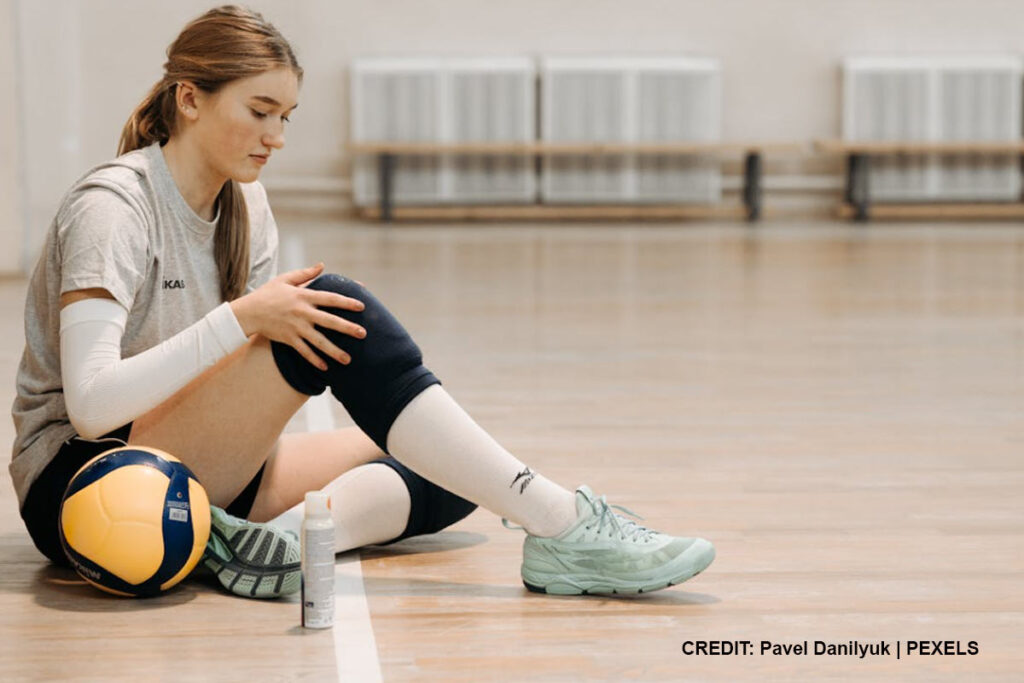
One of the most effective non-surgical interventions available today is specialized bracing. When combined with other clinical therapies, a knee brace acts as a functional tool to manage symptoms and potentially delay the need for a total knee replacement for years, if not decades.
In this article, we explore the science behind knee bracing, the importance of complementary therapies, and how you can take a proactive stance in your joint health.
What Makes the Knee Fail Over Time?
The knee is a complex hinge joint that bears the brunt of our body weight with every step. In a healthy knee, the load is distributed across the medial (inner) and lateral (outer) compartments.
However, most osteoarthritis cases are “unicompartmental,” meaning the wear is concentrated on one side. This uneven wear creates a mechanical misalignment. As the inner cartilage wears down, the leg may begin to bow slightly inward, which in turn places even more pressure on the damaged area.
This creates a destructive feedback loop: more pressure leads to more wear, which leads to more pain.
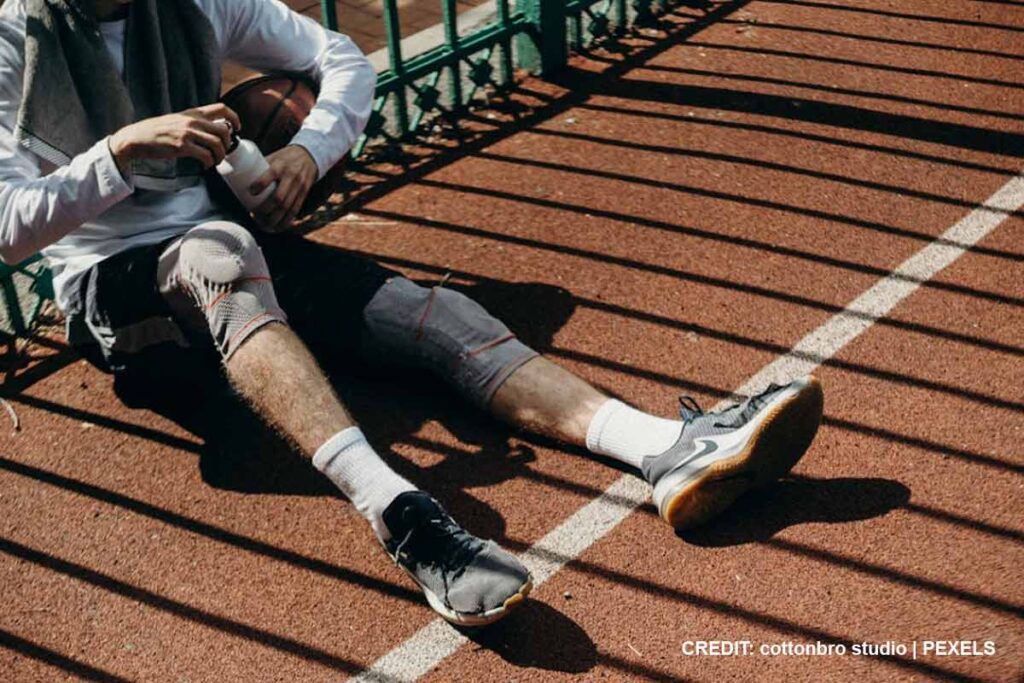
This is where custom knee braces provide a revolutionary solution. Unlike simple compression sleeves, these are medical-grade “unloader” braces. They are specifically engineered to apply a gentle force that shifts the weight away from the damaged, painful side of the knee and onto the healthier compartment. By mechanically reopening the joint space, these braces reduce the friction that causes pain and inflammation.
Can a Brace Actually Help You Avoid Surgery?
The question of whether a brace can “avoid” surgery depends on the stage of the disease and the patient’s commitment to a holistic treatment plan.
For patients with mild to moderate OA, an unloader brace can be a life-changing intervention. By reducing the physical stress on the bone, the brace allows the inflammatory cycle to subside. This often leads to a significant increase in activity levels.
Activity is the “secret sauce” of osteoarthritis management. When a patient is in too much pain to walk, the muscles surrounding the knee—specifically the quadriceps—begin to atrophy. Weak muscles cannot support the joint, which leads to further instability and damage.
By using a brace to manage pain, the patient can engage in the very exercises required to strengthen the joint. In this way, the brace doesn’t just “mask” the problem. Instead, it facilitates the conditions necessary for the body to stabilize itself.
How Physiotherapy and Orthotics Provide Integrated Knee Care
While a custom brace is a vital component, it is rarely a standalone cure. To truly combat the progression of osteoarthritis, one must look at the body as a whole.
The knee sits between the hip and the foot, and its health is inextricably linked to both.
Our physiotherapy in Oshawa can be a critical step for anyone looking to avoid the operating room. A skilled therapist can design a targeted strengthening program that focuses on the “natural bracing” of the body—the muscles.
They can also provide manual therapy to improve joint range of motion and reduce the stiffness that often accompanies OA in the mornings or after periods of inactivity.
Furthermore, the way your feet interact with the ground dictates the forces that travel up to your knees. If your arches collapse (overpronation) or if you walk on the outsides of your feet (supination), it creates a rotational torque on the knee joint.
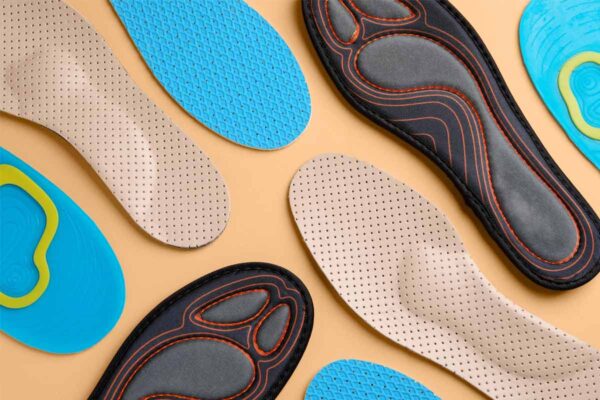
It has been clinically observed that custom orthotics improve foot conditions and provide a stable foundation that significantly reduces knee strain. By aligning the feet, you ensure that the custom knee brace can do its job even more effectively.
How to Choose the Right Knee Brace for Support
It is important to distinguish between “off-the-shelf” braces and custom-fitted medical devices. A generic brace may provide some warmth and a sense of security, but it lacks the structural integrity to shift the weight of a human body.
Custom braces are manufactured based on precise measurements of your leg’s contours and the specific degree of your joint’s misalignment. This ensures that the pressure is applied exactly where it is needed without causing discomfort or skin irritation.
Key Benefits of Custom Bracing:
- Precision fit: Designed to match your unique anatomy, preventing slipping during exercise.
- Adjustable tension: Allows the user to increase or decrease the “unloading” force based on their daily pain levels.
- Durability: Built with lightweight, aerospace-grade materials meant for long-term daily use.
- Confidence: Reduces the “fear of falling” or the knee “giving out,” which often keeps OA patients sedentary.
How to Take the First Step Toward Relief
The path to avoiding surgery starts with…(drumroll)…a consultation.
Osteoarthritis is a progressive disease, meaning time is of the essence. The earlier you intervene with bracing, physiotherapy, and proper foot support, the more natural joint tissue you can preserve.
Many patients find that once they are fitted with the proper equipment and start a guided exercise program, their “need” for surgery disappears because their quality of life has returned to a level they thought was no longer possible.
If you are tired of living with the grinding pain of knee arthritis and want to explore every possible avenue before considering a surgical replacement, professional help is available. Expert clinicians can evaluate your gait, measure you for custom supports, and help you build a roadmap toward a pain-free future.
Once you’re ready to reclaim your mobility and protect your knees for the long term, our team at PARC of Ontario is here to help with specialized bracing, orthotics, and rehabilitation services.
Contact us today at (905) 579-9938!