Is Acupuncture Just a Placebo? Debunking the Placebo Effect Argument
Acupuncture often raises debate among both patients and healthcare providers. Some believe it works only because people “think” it does, dismissing it as nothing more than a placebo. Others argue that its effects are backed by science and supported by centuries of practice. Understanding whether acupuncture is truly effective or simply psychological is important for anyone considering it as part of their healthcare.
Understanding the Placebo Effect
The placebo effect is when a person feels better after receiving a treatment that has no real medical properties. This effect is often tied to the power of belief, where expectations can change how someone experiences pain or discomfort. It shows that the mind plays a role in health, but it does not fully explain long-term or measurable physical improvements.
In medical research, placebos are often used in trials to compare results. A sugar pill or fake procedure helps researchers see whether improvements are due to the treatment itself or the patient’s mindset. While this effect can reduce symptoms like pain, it does not repair injuries, reduce inflammation, or improve organ function.
What Science Says About Acupuncture
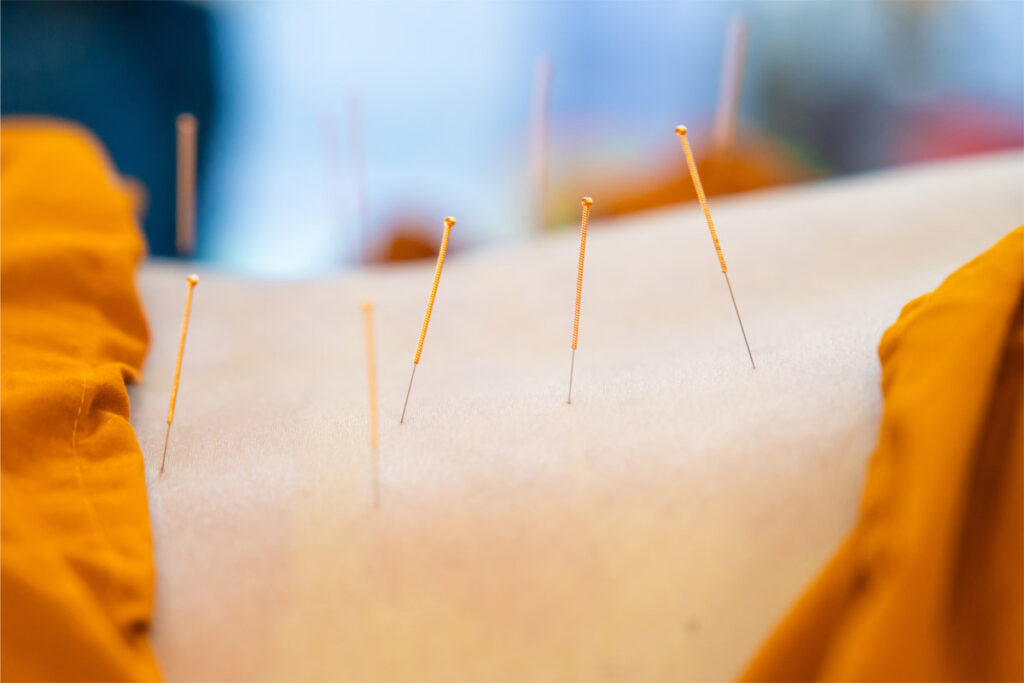
Acupuncture works by stimulating specific points on the body using thin needles. These points are linked with nerve pathways, blood flow, and the release of natural chemicals that ease pain. This means the effects are not only felt mentally but also have physical responses in the body.
Brain imaging studies support these findings. Researchers have seen that acupuncture changes activity in pain-processing areas of the brain. These changes are difficult to explain if acupuncture were only a placebo.
Major health organizations also acknowledge its benefits. The World Health Organization (WHO) and other medical bodies have recommended acupuncture for conditions such as chronic pain, headaches, and nausea. These recognitions show that acupuncture has a growing place in healthcare.
The Placebo Argument Against Acupuncture
Despite growing evidence, some people still believe acupuncture is only a placebo. This belief often comes from cultural bias or misunderstanding of how acupuncture is studied. For many in the West, traditional practices from other cultures are seen as less credible.
One challenge in research is creating a fair control group. Sham acupuncture, where needles are placed at random points or just touch the skin, can still create a response in patients. This makes it harder to show the difference between real acupuncture and placebo.
Public perception also plays a role. Since acupuncture does not follow the same model as modern medicine, many assume its results must be psychological. This is why careful studies are important to separate belief from true physiological change.
Evidence That Acupuncture Works Beyond Placebo
Research shows that acupuncture often performs better than sham treatments. Studies comparing real acupuncture with fake versions demonstrate stronger pain relief and longer-lasting results. These differences indicate that something more than expectation is at work.
One key point is how long results last. Placebo effects usually fade quickly, but many patients report relief from acupuncture that continues for weeks or months. This durability is a strong signal of a genuine physical effect.
Physiological responses also add weight to the evidence. Acupuncture has been shown to reduce inflammation, balance nervous system activity, and improve immune function. These are measurable changes that go far beyond the power of suggestion.
Conditions Where Acupuncture Shows Strong Evidence
Acupuncture has been studied across many health conditions, and certain areas show especially strong results. Research consistently highlights its ability to manage both physical and emotional concerns. These effects go beyond short-term relief, offering lasting improvements in daily life. Looking at the conditions where acupuncture is most effective helps show its value in modern healthcare.
- Chronic Pain Relief
Chronic pain is one of the most studied areas for acupuncture. Research shows it can ease back pain, arthritis, and recurring headaches. Patients often find relief when standard treatments are not enough.
- Post-Surgical Recovery
Acupuncture is also used after surgery. It helps reduce pain and lowers the need for heavy medications. Patients often recover faster with less nausea and fewer complications.
- Support for Mental Health
Acupuncture can calm the nervous system and reduce stress. This has made it helpful for people dealing with anxiety and insomnia. Over time, the treatment supports better emotional balance and improved well-being.
- Digestive Health Support
Acupuncture has shown positive effects in improving digestive function. It can help with issues such as irritable bowel syndrome, bloating, and nausea. By regulating gut activity and calming the nervous system, it often provides relief when medication alone does not work. Patients who struggle with recurring stomach discomfort may notice gradual improvements with regular sessions.
- Women’s Health and Fertility
Many women turn to acupuncture for support with menstrual pain, hormonal balance, and fertility challenges. Studies suggest it can improve blood flow to reproductive organs and reduce stress that affects conception. During pregnancy, it may also ease symptoms like morning sickness and back pain. These benefits make acupuncture a supportive option for women at different stages of life.
Why the Placebo Debate Matters
The placebo debate is more than an argument about science. It affects how patients view acupuncture and whether they are open to trying it. When people dismiss it as placebo, they may miss out on a treatment that could improve their quality of life.
Healthcare today is moving toward integration. Acupuncture is not meant to replace conventional treatment but to work alongside it. This combined approach gives patients more tools for managing their health.
Acupuncture is more than a mind trick. Scientific studies show measurable effects that cannot be explained by placebo alone. From easing chronic pain to supporting recovery and mental health, acupuncture offers real, lasting benefits.
Keeping an open yet critical mindset is important when looking at alternative therapies. Acupuncture has earned recognition through evidence, not just belief. For many people, it can be a valuable part of a balanced healthcare plan.

Improve Your Health with PARC of Ontario – Try Acupuncture in Oshawa
If you have been wondering whether acupuncture in Oshawa could help you, PARC of Ontario provides a safe and supportive place to start. Our practitioners use acupuncture as part of a well-rounded approach to pain relief, stress reduction, and overall wellness. Instead of seeing it as just a placebo, you can experience the real effects for yourself.
Your health deserves more than uncertainty. Book an appointment with PARC of Ontario today at (905) 579-9938 and see how acupuncture can make a difference in your daily life.