How Does Acupuncture Actually Work to “Block” Chronic Pain?
Chronic pain can feel like an uninvited guest that refuses to leave, often making even the simplest daily tasks in Oshawa feel like a struggle. While many people have heard of acupuncture, there is often a lingering question about how a few thin needles can possibly stop years of physical discomfort. Understanding the science behind this practice helps turn a mysterious tradition into a clear, logical plan for your recovery. By looking at how our nerves and brain communicate, we can see how this method provides a direct path to lasting relief without the need for complex chemicals.
The Traditional vs. Modern Framework
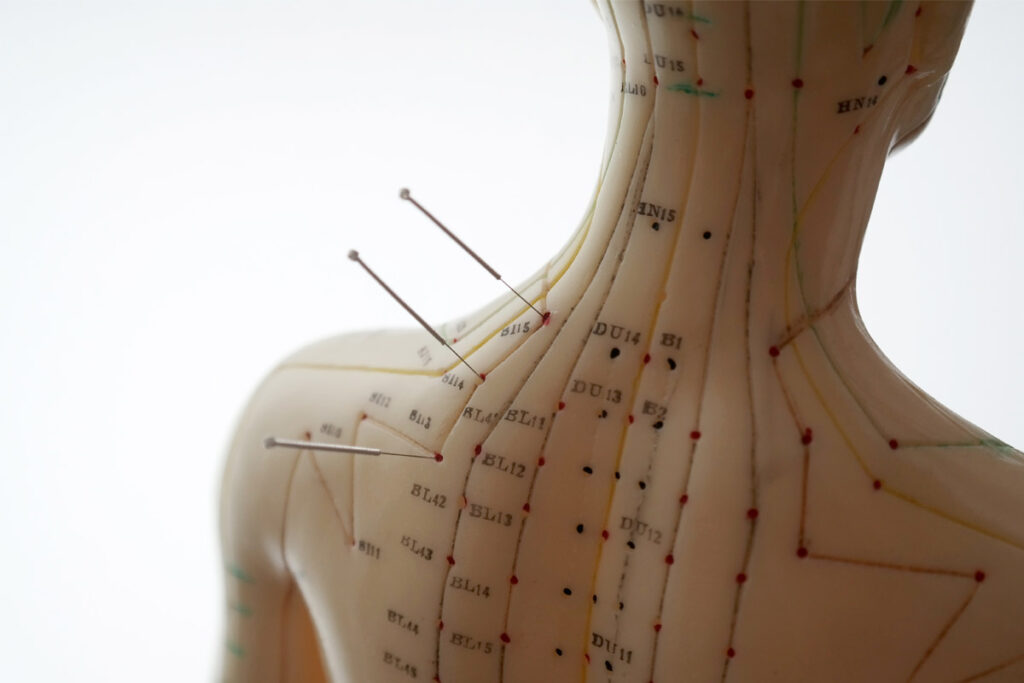
The traditional view of this practice has been used for thousands of years, focusing on the flow of energy called “Qi” through specific paths in the body. Ancient practitioners believed that when this flow became blocked or uneven, it resulted in physical discomfort and illness. By placing needles at specific points, they aimed to restore this natural balance and help the body heal itself.
Today, modern science looks at these same locations through the lens of the nervous system and blood flow. Researchers have found that these points often sit right where major nerves and blood vessels are located, showing that ancient maps were actually tracking the body’s internal wiring.
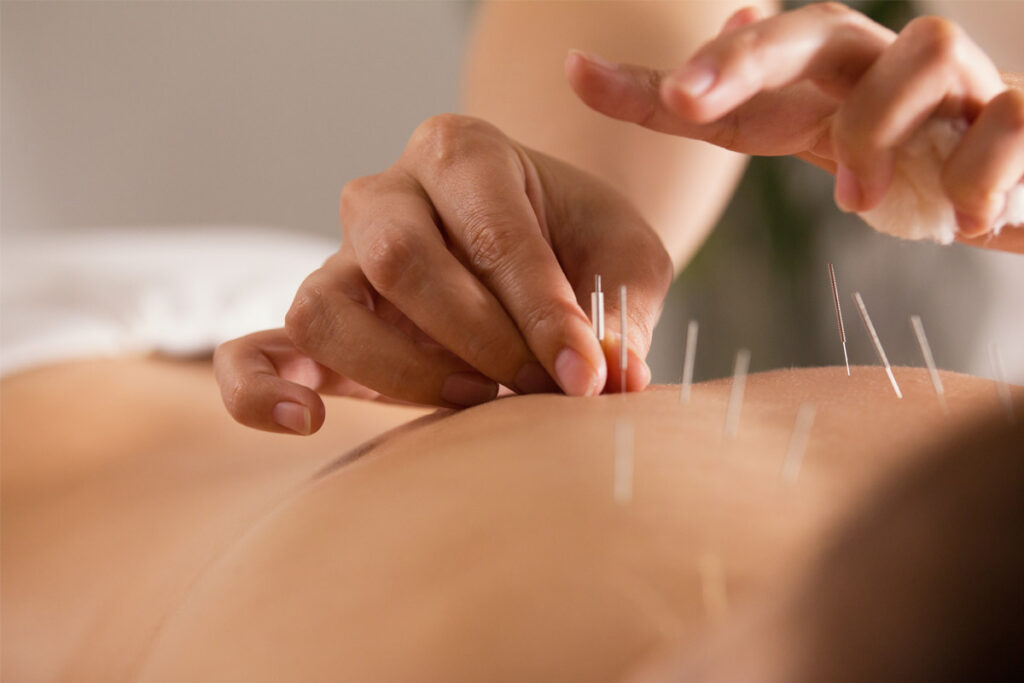
When a needle is placed in the skin, it creates a small physical reaction that the body treats as a tiny “injury.” This response causes the body to send fresh, oxygen-rich blood to the area, which helps flush out waste and brings in the nutrients needed for long-term repair.
This modern biological explanation makes the process feel much more grounded for people seeking acupuncture in Oshawa. It is not about believing in a hidden force, but rather about trusting how your nerves and muscles react to a physical prompt. This bridge between old wisdom and new biology helps explain why these specific spots on the body matter so much for relief.
Mechanism 1: The Gate Control Theory
The Gate Control Theory is one of the most famous ways to explain why physical therapy and needlework stop pain. It suggests that your spinal cord has a “gate” that can only let a certain amount of information through at one time. If you can fill that gate with “good” signals, the “bad” pain signals cannot get through to your brain. This creates a literal block that stops you from feeling the full weight of your chronic discomfort.
- Speeding Up the Signal
Nerve fibers that carry touch and pressure signals move much faster than the fibers that carry dull, chronic pain. By stimulating the fast-moving fibers with a needle, you essentially beat the pain signal to the finish line. The brain receives the sensation of the needle and ignores the older, lingering pain.
- Closing the Spinal Gate
Once the fast signals reach the spinal cord, they trigger a “shutdown” of the gate for the slower pain signals. This means that even if the source of your pain is still there, your brain is no longer registering it as a constant threat. This is why many people feel a “numb” or “heavy” sensation that actually feels better than the sharp pain they had before.
- Immediate Relief Factors
This specific mechanism is the reason why some patients feel a change almost the moment the needles are in place. It works quickly to reset the immediate feedback loop between your injury and your mind. For those in Oshawa dealing with sudden flare-ups, this rapid response is often the most vital part of the treatment.
Mechanism 2: The Endogenous Opioid System
Your body is actually capable of producing its own powerful painkillers that are much safer than anything found in a pharmacy. These chemicals are called endorphins, and they are designed to help you cope with stress and physical strain. Acupuncture acts as a key that unlocks these natural reserves, flooding your system with comfort. This internal pharmacy is always available; it just needs the right signal to start working.
- Releasing Natural Endorphins
The tiny prick of the needle signals the brain to release a wave of endorphins and enkephalins. These chemicals are the body’s version of morphine, but they do not come with the risk of addiction or heavy side effects. They travel through the blood to soothe every part of the body at once.
- Boosting Adenosine Levels
Recent studies show that acupuncture significantly increases a chemical called adenosine near the needle site. This specific substance is a natural anti-inflammatory that helps dull pain locally for several hours. It provides a localized numbing effect that is very helpful for joint issues or muscle knots.
- The Systemic Relaxation Effect
Since these chemicals travel through the entire body, you might notice that your whole mood improves during a session. Many people report feeling a sense of deep calm or even falling asleep while the needles are in. This total-body relaxation is a sign that your natural painkillers are doing their job effectively.
- Sustaining Long-Term Comfort
When you receive regular treatments, your body becomes more efficient at releasing these helpful chemicals on its own. It effectively trains your brain to keep your internal pharmacy well-stocked. This leads to a steady reduction in daily pain levels rather than just a temporary fix.
Mechanism 3: Rewiring the “Pain Brain”
When you have been in pain for a long time, your brain actually changes its structure to become better at feeling that pain. This is a process called central sensitization, where your nerves stay in a “high alert” mode even after an injury has healed. Acupuncture helps to “rewire” these pathways, teaching the brain to turn down the volume on these false alarms. It is essentially a reset button for your mental map of your body.
- Breaking the Habit of Pain
The brain is very good at forming habits, and unfortunately, chronic pain can become a neurological habit. By providing a new, different sensation through the needles, you interrupt that negative cycle. This allows the brain to focus on something else, breaking the constant loop of “danger” signals.
- Dampening the Limbic System
The limbic system is the part of your brain that handles emotions, and it often makes pain feel much more stressful than it needs to be. Acupuncture has been shown to quiet this area down, making the pain feel less “heavy” or “scary.” When you take the emotional weight off the pain, it becomes much easier to manage.
- Enhancing Neuroplasticity
Neuroplasticity is the brain’s ability to change and grow throughout your life. Acupuncture encourages this by creating new, healthy connections between your nerves and your brain’s processing centers. Over time, these new connections become the dominant path, leaving the old pain pathways to fade away.
Addressing Inflammation: The HPA Axis
Inflammation is often the hidden culprit behind why pain won’t go away, as it keeps your tissues swollen and sensitive. Your body manages inflammation through the HPA axis, which controls how you respond to physical and mental stress. Acupuncture helps regulate this system to keep your hormone levels balanced and your inflammation low. When this system is working correctly, your body can heal itself much faster.
- Balancing Stress Hormones
The needles help lower cortisol, which is the primary hormone your body releases when you are stressed or in pain. High cortisol levels can prevent healing and make your muscles feel tight and guarded. By lowering these levels, you allow your body to move out of “survival mode” and into “repair mode.”
- Activating the Vagus Nerve
The vagus nerve is like a superhighway for your parasympathetic nervous system, which is responsible for resting and digesting. Certain points, especially in the ear, can trigger this nerve to calm your heart rate and lower systemic inflammation. This is a very effective way to treat issues that affect the whole body, like fibromyalgia.
- Reducing Inflammatory Chemicals
Acupuncture helps the body manage “cytokines,” which are small proteins that signal the body to create inflammation. By keeping these in check, the needles prevent the “fire” of inflammation from spreading to healthy tissues. This is a key reason why it works so well for people with arthritis or chronic swelling in Oshawa.
What the Research Says
Many medical organizations now recognize needle therapy as a valid way to treat conditions that used to require surgery or heavy medication. Large-scale studies involving thousands of people have shown that the results are real and consistent. It is no longer considered a “fringe” treatment but a standard part of modern physical health. The data shows that for many types of back and joint issues, it is one of the most effective tools available.
- Back and Neck Pain Evidence
Research consistently shows that patients with chronic back or neck issues see a major drop in their daily pain scores. Many people find they can return to their normal activities much faster than those who only use rest or ice.
- Managing Headaches and Migraines
Studies indicate that regular sessions can reduce the frequency and the strength of tension headaches. For migraine sufferers, it can be a way to lower the number of “bad days” each month without adding more pills.
- Helping Osteoarthritis Patients
For those with knee or hip pain, acupuncture has been shown to improve mobility and reduce the need for anti-inflammatory drugs. It helps keep the joints moving smoothly by reducing the swelling around the bone.
Practical Expectations and Safety
It is important to remember that healing from chronic pain is a journey, not a single event. While some people feel better right away, most need a series of sessions to see the full benefit. Because the needles are very thin and sterile, the risk of any problem is extremely low compared to other medical treatments. Understanding these practical steps will help you feel more confident as you start your care.
- Consistency
You should expect to go a few times a week at first to build up the positive effects in your nervous system. Each session builds on the last one, making your body stronger and more resilient over time.
- Sterile and Safe Tools
Modern practitioners use single-use, stainless steel needles that are disposed of immediately after your session. This ensures that the process is clean and that there is virtually no risk of infection.
- What You Will Feel
You might feel a tiny pinch or a dull ache when the needle is placed, but it should not be painful. Most people find the sensation to be quite calming once they settle into the treatment.
A Multi-Dimensional Tool
Pain is complicated because it affects your body, your brain, and your mood all at the same time. Because acupuncture works on all three of these levels, it provides a more complete type of relief than just treating a single muscle. It is a physical way to tell your body that it is safe to stop hurting. By looking at the whole person, this method helps you get back to the life you want to live.
- Combining Physical and Mental Health
Since it lowers stress hormones while fixing physical knots, it treats the “whole” version of your pain. You leave the session feeling lighter in your body and calmer in your mind.
- Building a Stronger Foundation
Using this method helps your body become better at handling future stress or injuries. It is an investment in your long-term health that pays off by keeping you moving and active.
Get Back to Moving Comfortably with Help from PARC of Ontario.
If you are tired of living with constant discomfort and want to explore a natural way to feel like yourself again, the team at PARC of Ontario is here to support you. We offer a welcoming environment where your physical well-being is the top priority. Our approach focuses on clear communication and practical results tailored to your specific needs. Experience the benefits of acupuncture in Oshawa by calling us today at (905) 579-9938 to schedule your first visit and take control of your health.