How Can Chiropractic Care Support Long-Term Joint Function?
Maintaining joint health is crucial for moving freely and living comfortably. Over time, repetitive movements, poor posture, and everyday stress can wear down joints. Chiropractic care offers a proactive way to support joint function and preserve mobility for the long term.
Why Long-Term Joint Function Matters
Healthy joints are central to pain-free movement and physical independence. Without proper care, joints can become stiff, inflamed, or misaligned, which may limit daily activities. Understanding the value of long-term joint health helps individuals take preventive steps early.
The Role of Joints in Everyday Movement
- Provide Flexibility: Joints allow the body to bend, twist, and move smoothly in multiple directions.
- Offer Stability: They help maintain balance and support the body during movement and weight-bearing activities.
- Enable Efficient Movement: Proper alignment of joints ensures muscles and bones work together effectively.
- Reduce Stress on the Body: Well-functioning joints prevent unnecessary strain on muscles, ligaments, and other structures.
- Support Overall Physical Performance: Healthy joints improve coordination, endurance, and strength during daily tasks and exercise.
Common Causes of Joint Dysfunction
- Poor Posture: Slouching or misalignment increases stress on joints and surrounding muscles.
- Repetitive Strain: Repeating the same movements can wear down joints over time.
- Sedentary Lifestyle: Lack of activity weakens muscles that support joint stability.
- Injuries and Trauma: Accidents or overuse can damage joints and lead to long-term dysfunction.
- Age-Related Degeneration: Natural wear and tear reduce cartilage and flexibility in joints.
Understanding Chiropractic Care and Joint Health
Chiropractic care focuses on the musculoskeletal system, especially the spine, to improve movement and alignment. Adjustments can enhance joint function by restoring proper motion and reducing strain. This approach addresses root causes of discomfort rather than just masking symptoms.
What Is a Chiropractic Adjustment?
A chiropractic adjustment involves gentle, controlled movements applied to restricted joints. These adjustments aim to restore proper alignment and improve the joint’s range of motion. Regular adjustments can reduce stiffness and encourage more fluid movement.
The Spine’s Role in Total Joint Function
The spine connects the nervous system to the rest of the body, affecting joint coordination and muscle response. Misalignments can cause imbalances in extremity joints like shoulders, hips, and knees. Aligning the spine supports better overall joint function and movement efficiency.
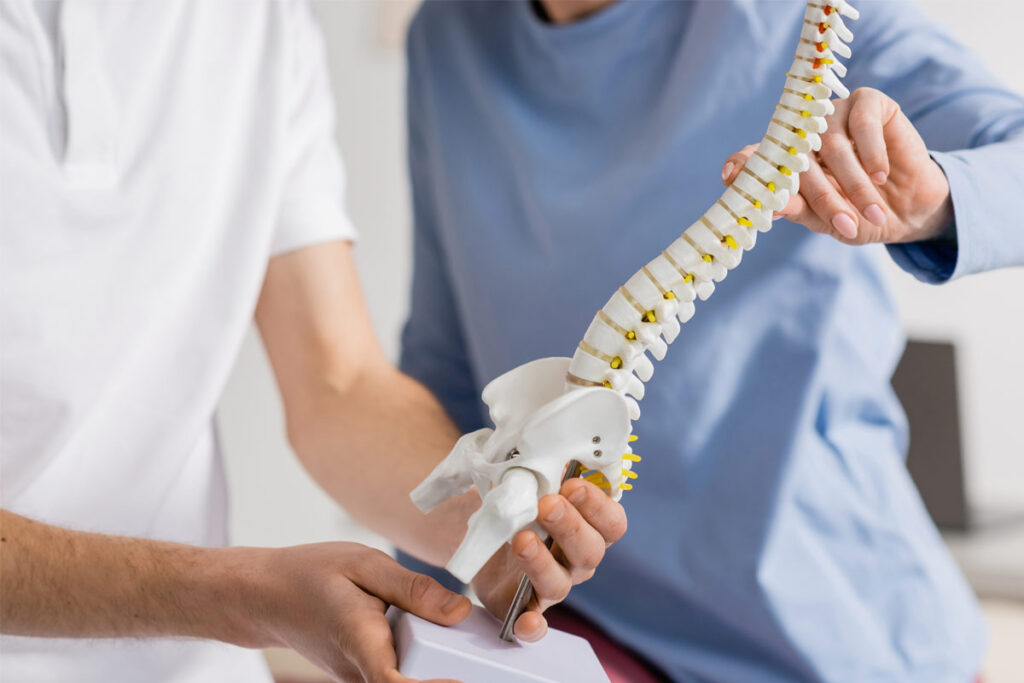
How Chiropractic Care Supports Long-Term Joint Function
Focusing on joint health consistently helps prevent problems before they become severe. Chiropractic care promotes proper biomechanics and reduces unnecessary stress on joints. Understanding its benefits highlights how regular care supports long-term mobility.
- Improves Joint Mobility
Chiropractic care helps restore movement in restricted joints, increasing flexibility. When joints move freely, stiffness decreases, allowing smoother motion. Improved mobility also enhances balance and reduces the risk of falls.
- Reduces Inflammation and Stress on Joints
Misaligned joints can place uneven pressure on surrounding structures. Adjustments help distribute weight more evenly and reduce strain. Over time, this can lower inflammation and support healthier joint function.
- Enhances Nervous System Communication
Proper joint alignment allows nerves to signal muscles effectively. This improves coordination and movement control. Enhanced communication between the nervous system and joints reduces the likelihood of compensatory injuries.
- Supports Injury Prevention
Chiropractic care identifies movement imbalances before they cause problems. Correcting these patterns reduces stress on vulnerable joints. Patients maintain safer movement habits and prevent long-term wear from recurring injuries.
Chiropractic Care and Age-Related Joint Changes
As people age, joints naturally lose flexibility and cartilage can thin. Proactive care can slow these changes and maintain comfortable movement. Chiropractic care fits into a long-term strategy for preserving mobility and joint health.
- Managing Wear and Tear
Early intervention can address stiffness before it becomes chronic. Adjustments help distribute joint stress evenly, limiting damage to cartilage. This helps maintain healthy motion for longer.
- Staying Active as You Age
Mobility supports independence and allows participation in daily activities. Regular movement keeps joints lubricated and muscles strong. Chiropractic care combined with activity helps maintain an active lifestyle and reduces age-related limitations.
- Improving Balance and Coordination
Age-related joint changes can affect stability and increase fall risk. Chiropractic care helps align joints and supports better muscle coordination, reducing the likelihood of accidents. Maintaining balance through gentle adjustments can improve confidence in daily movement.
- Supporting Recovery from Minor Injuries
Older adults are more prone to joint strains and minor injuries. Chiropractic care can aid recovery by restoring proper alignment and relieving stress on affected joints. This support helps maintain ongoing joint function and prevents complications from improper healing.
Complementary Habits That Strengthen Joint Function
Chiropractic care works best alongside healthy lifestyle habits. Daily practices influence joint longevity and movement efficiency. Combining care with active routines promotes long-term benefits.
- Posture and Ergonomic Awareness
Maintaining spinal alignment at work and home reduces joint strain. Adjusting chairs, desks, and screens supports better posture. Avoiding prolonged static positions helps prevent stiffness and discomfort.
- Stretching and Strength Training
Strengthening muscles that support joints stabilizes movement and reduces risk of injury. Stretching maintains flexibility and prevents tightness. A balanced approach between strength and mobility protects joints during daily activity.
- Healthy Weight Management
Excess weight increases pressure on knees, hips, and spine. Maintaining a healthy weight reduces stress and supports joint longevity. Combined with movement and proper alignment, this helps preserve function over time.
Is Chiropractic Care Right for Your Joint Health Goals?
Evaluating mobility and discomfort can help determine if chiropractic care fits your routine. Preventive care is more effective than waiting for pain to develop. Professional guidance ensures a plan that supports long-term joint function.
Signs You May Benefit from Chiropractic Care
- Recurring Stiffness: Joints that regularly feel tight or limited may need alignment support.
- Limited Range of Motion: Difficulty bending, twisting, or fully moving joints can indicate underlying restrictions.
- Postural Strain: Slouching or uneven posture often causes stress on joints and surrounding muscles.
- Persistent Minor Aches: Ongoing discomfort, even during routine activity, may signal joint imbalance.
- Frequent Muscle Tension: Tight muscles around joints can point to misalignment or uneven stress distribution.
Building a Long-Term Wellness Plan
- Combine Chiropractic Care with Exercise: Pairing adjustments with regular movement supports joint strength and flexibility.
- Set Measurable Goals: Tracking progress helps maintain motivation and ensures steady improvement in mobility.
- Prioritize Joint Health Daily: Consistent attention to posture, activity, and alignment protects joints over time.
- Monitor Progress and Adjust: Regularly reviewing your plan allows adjustments to meet changing needs and prevent strain.
- Incorporate Preventive Habits: Stretching, strengthening, and ergonomic practices reinforce long-term joint function.

Keep Your Joints Healthy with PARC of Ontario
Maintaining joint function starts with regular care from a chiropractor in Whitby. PARC of Ontario provides assessment, adjustments, and guidance to support long-term mobility. Call us at (905) 579-9938 to schedule a visit today to protect your joints and stay active for years to come.