Eating Disorders and Depression: What You Need to Know
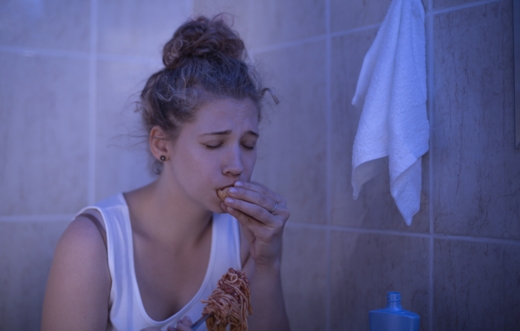
Often, when someone has an eating disorder, they also have depression. It can go the other way around, too, experiencing depression and then developing an eating disorder. Each can cause the other to happen. Unfortunately, figuring out which came first is like the “chicken and the egg” debate. The good news is psychological assessment services can help identify these difficulties and an individualized treatment plan will begin.
Eating Disorders Quick Rundown
Let’s talk about eating disorders for a moment. There are three main types: anorexia nervosa, bulimia nervosa, and binge eating disorder. However, an eating disorder can also be labelled as other specified feeding or eating disorder, or OSFED. They all have their own physical symptoms, but there are also psychological symptoms. These symptoms can be obsession over food or calorie intake, being anxious about food or eating habits, feeling worthless or guilty, and poor self-image, among others.
A Little About Depression
Like eating disorders, there are different types of depression. The main ones are major depressive disorder and dysthymia. The physical symptoms can resemble an eating disorder, including fatigue and changes in eating habits (whether it be eating more, less, or not at all). The psychological symptoms can range among feeling hopeless, worthless, guilty, and often having thoughts of suicide.
The Two Together
Just knowing the symptoms does not make it easy to diagnose depression or eating disorders. Sometimes depression isn’t recognized or treated until a suicide attempt. If you have depression or an eating disorder, it’s imperative to seek counselling services to find out if you might also have another challenge. Help is available.
What Causes Them to Happen Together
Studies have been conducted done to discover why these seem to be co-occurring disorders. Apparently, the levels of serotonin in the brain affect both disorders. If serotonin levels are too low, both depression and an eating disorder can occur. Anyone can be affected. Psychiatrists also say that feelings of guilt, not feeling good enough, or poor self-image can cause a second disorder. Basically, they go hand-in-hand.
How They’re Treated
Treatment for both of these issues is available. Talking to your physician and/or psychiatrist can get you on the path to overcoming an eating disorder and depression. Cognitive behavioral therapy can help change eating habits and the way you deal with a bout of depression. Medications can also help.
If you are experiencing difficulty due to depression or have noticed a change in the way or amount you eat, Physiotherapy and Rehabilitation Centres of Ontario offers psychological assessment services and treatment. We want to help; please call us at 905-430-2112.