Does Regular Massage Therapy Lower Systemic Cortisol Production?
Daily pressure from work, family, and modern life can keep your body in a constant state of survival. Many people living in busy communities face ongoing mental and physical strain that never seems to stop completely. This constant pressure forces your body to produce stress hormones at all hours of the day.
Over time, your muscles stay tight, your mind feels tired, and your natural defense systems begin to wear down. Understanding how this stress alters your physical health is the first step toward finding real relief.
If you want to manage these daily pressures effectively, finding professional care is a very important step. Visiting a clinic for massage therapy in Scarborough can help you break the cycle of chronic tension and restore balance to your body. When you receive regular physical care, you give your nervous system a chance to rest and recover from daily demands.
This type of manual therapy focuses on soothing the nervous system to stop the constant production of harmful stress chemicals. For residents in the surrounding areas, including Oshawa patients, managing this stress pathway is essential for preventing long-term health issues.
Understanding the HPA Axis and Systemic Cortisol Production
Your brain and your adrenal glands work together through a complex communication network to manage your daily stress levels. This pathway involves your hypothalamus, pituitary gland, and adrenal cortex, which release specific chemicals into your bloodstream. When this network is healthy, it turns off the stress response as soon as a threat passes. However, modern life often keeps this network turned on, which causes a continuous flow of cortisol through your system.
- The Pathway Defined: The stress response starts in your brain and travels down to your adrenal glands through a chemical chain reaction. This system releases hormones that prepare your muscles and heart for quick action during a difficult situation. Understanding this pathway helps you see that stress is a physical event rather than just an emotional feeling.
- The Feedback Failure: Constant worry blunts the signals that tell your brain to stop producing stress hormones after a challenging day. This failure means your body keeps circulating high levels of cortisol even when you are trying to rest at home. Over time, this constant chemical presence can cause chronic fatigue and make it difficult for your body to heal.
- Biomarkers of Tension: Scientists measure stress by analyzing levels of specific chemicals in your saliva, urine, and blood. These tests show exactly how much strain your organs are enduring due to your daily routine and environment. Tracking these markers provides clear evidence of how physical therapies can lower your internal stress levels.
The Mechanism of Action: How Touch Alters Body Chemistry
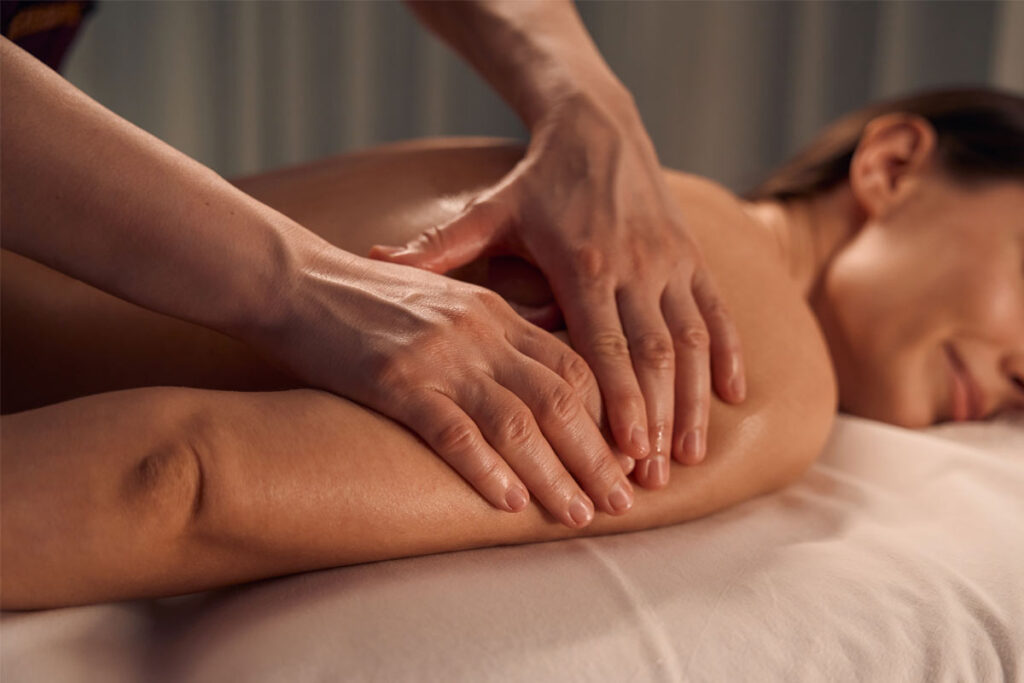
Manual therapy works by sending direct physical signals through your skin and muscles straight to your nervous system. When a trained therapist applies steady pressure, your body interprets this touch as a signal that you are in a safe place. This process slows down your heart rate and allows your internal organs to function without extra strain.
- Mechanoreceptors and the Vagus Nerve: Special pressure sensors beneath your skin send messages to your brain when they feel steady manual touch. These messages travel along a large nerve pathway called the vagal nerve to calm your major organs. This physical connection explains why manual therapy has such a rapid effect on your overall stress levels.
- Parasympathetic Activation: Steady physical touch prompts your body to switch from a defensive mode into a deep relaxation state. This shift lowers your blood pressure and allows your heart rate to return to a calm and steady pace. Entering this relaxed state allows your blood vessels to expand, improving your overall circulation.
- The Dual Hormonal Shift: Reducing the amount of stress chemicals in your bloodstream allows your brain to release more feel-good hormones naturally. You will experience a rise in serotonin and dopamine, which are the main chemicals responsible for happiness and calm. This balanced chemical state helps reduce feelings of anxiety and improves your ability to cope with daily challenges.
Short-Term Relief vs. Long-Term Systemic Adjustments
A single session of manual therapy can provide immediate comfort for tight muscles and a busy mind. However, there is a large difference between temporary relief and long-term changes to your body’s hormone production. Lasting health improvements require a consistent approach to care over a longer period.
- The Acute Session Window: A single one-hour treatment can reduce muscle tightness and make you feel deeply relaxed for a few hours. This immediate change happens because local muscle fibers relax, and your circulation increases during the session. While this relief is helpful, your stress hormones can rise again once you return to your busy daily routine.
- The Cumulative Effect: Receiving regular treatments helps train your nervous system to stay in a calm state for longer periods. This steady routine prevents your stress hormones from spiking back to high levels during a difficult work week. Over several months, this regular care can permanently lower your baseline cortisol levels and protect your health.
- Clinical Evidence and Structural Studies: Medical research trials show that regular massage therapy significantly reduces the amount of cortisol measured in human saliva. These studies show that consistent touch therapy produces measurable changes in your internal chemistry over time. The data confirms that manual care is an effective tool for managing systemic stress hormone production.

Practical Application: Tips for Maximizing Stress Reduction Benefits
Learning how to prepare for your treatments can help you get the best possible results for your nervous system. Making small changes to your routine before and after a session can extend the relaxing effects on your body. These choices help your body reduce stress hormones more effectively.
- Prioritize Pressure Consistency: Request moderate, steady pressure during your treatment rather than very light or overly aggressive touch. Moderate pressure is necessary to stimulate the deep receptors that send calming signals to your brain. This specific level of touch helps your nervous system relax without feeling threatened or startled.
- Establish a Predictable Cadence: Book your appointments at regular intervals, such as every 2 weeks or once a month. Setting a consistent schedule helps your body maintain a lower stress baseline before your muscles become completely tight again. This routine allows your nervous system to anticipate the relaxation and respond more quickly over time.
- Limit External Stimuli Post-Treatment: Avoid loud environments, heavy traffic, and work emails for a few hours after your session. Giving yourself a quiet window allows your nervous system to stay in a relaxed state without sudden interruptions. This peaceful time helps your body keep its stress hormone levels low for the rest of the day.
- Communicate Physical Boundaries Clearly: You must tell your provider if the pressure feels uncomfortable or causes you to tense your muscles. Forcing your body through painful treatments can trigger a defense response that actually raises your cortisol levels. Clear communication ensures your treatment remains helpful, comfortable, and truly effective for stress reduction.
- Incorporate Focused Breathing: Practice slow, deep belly breathing while your provider works on your tight muscles. Deep breathing actively supports the physical treatment by sending extra oxygen to your brain and heart. This simple practice helps speed up the transition from a stressed state to a deeply relaxed state.
Selecting the Right Modality for Nervous System Support
Different styles of manual bodywork have unique effects on your muscles and your nervous system. Choosing a style that matches your current stress levels can improve your overall results. A proper match ensures your body feels supported rather than overwhelmed during the treatment.
- Swedish Massage: This classic style uses long, smooth strokes to gently relax the outer layers of your muscle tissue. It is an excellent choice for lowering general anxiety because it focuses entirely on calming your nervous system. Swedish massage helps Oshawa patients unwind after a stressful week of commuting or working.
- Myofascial Release and Trigger Point Concerns: This method treats the deep connective tissues that support your muscles, relieving chronic physical tightness. It addresses localized pain areas without causing the systemic stress that can sometimes come from overly aggressive deep work. Relaxing these deep knots helps lower the overall physical burden on your nervous system.
- Aromatherapy and Complementary Care: Adding natural plant scents like lavender to your session can enhance the calming effects on your brain. The pleasant aromas work together with the physical touch to slow your breathing and calm your thoughts. This combined approach offers a multi-sensory way to lower your internal stress markers during a treatment.
Experience Lasting Relief and Systemic Balance at PARC of Ontario
Lower your daily stress levels and restore balance to your health now! At PARC of Ontario, we understand the heavy toll that chronic stress and high cortisol can take on your body and mind. Our team offers massage therapy in Scarborough designed to soothe your nervous system and relieve deep muscle tension. We work closely with you to create a personalized care plan that fits your busy lifestyle and addresses your specific wellness goals.
Whether you are dealing with work strain or physical discomfort, we are here to support your journey toward a healthier, more relaxed life. Call us today at (905) 579-9938 to schedule your next session.