Does Acupuncture Always Produce Immediate Results?
Many people in Oshawa consider acupuncture when they want relief from pain, stress, or health concerns that affect their daily routine. Whether it is long hours at work, physical strain, or ongoing discomfort, these issues often lead residents to look for treatment options that support natural healing. As acupuncture in Oshawa becomes more common, many patients arrive with one key question: how quickly will the treatment work?
Stories about instant relief after a single acupuncture session often circulate, which can create the impression that results should appear right away. While some patients do feel noticeable changes after their first visit, others experience gradual improvements as their body responds over time. Since each person’s health condition and response to treatment are different, it is helpful to understand why acupuncture may produce immediate relief for some people while others benefit from steady progress over several sessions.
How Acupuncture Works in the Body
Acupuncture has been used for centuries to support the body’s natural healing process. It focuses on restoring balance within the body so that systems can function properly. To understand why results may vary, it helps to know how acupuncture affects the body.
The Basic Principles Behind Acupuncture
Acupuncture began as part of traditional Chinese medicine and centres on balancing the body’s internal energy. Practitioners place very thin needles at specific points on the body that are believed to influence different organs and systems. These points are selected based on a person’s symptoms and overall health.
The goal is to encourage balance so the body can regulate itself. When the body’s systems work in harmony, discomfort may lessen and normal function can improve.
Modern Scientific Perspective on Acupuncture
Today, many studies look at acupuncture through a scientific lens. Researchers believe that inserting needles into certain points stimulates nerves, muscles, and connective tissue. This stimulation can trigger the release of natural chemicals that help reduce pain.
Acupuncture may also improve blood flow and influence the nervous system. As a result, the body can begin responding to the issue being treated.
What Happens During an Acupuncture Session
An acupuncture session follows a simple process that helps the practitioner understand your concerns and apply treatment carefully. Each step focuses on comfort while allowing the body to respond to the therapy. Below is a quick overview of what typically happens during a session.
- Initial Health Consultation: The practitioner asks about your symptoms, lifestyle, and health history to determine the appropriate treatment points.
- Preparation for Treatment: You are asked to lie down comfortably while the practitioner prepares the treatment areas.
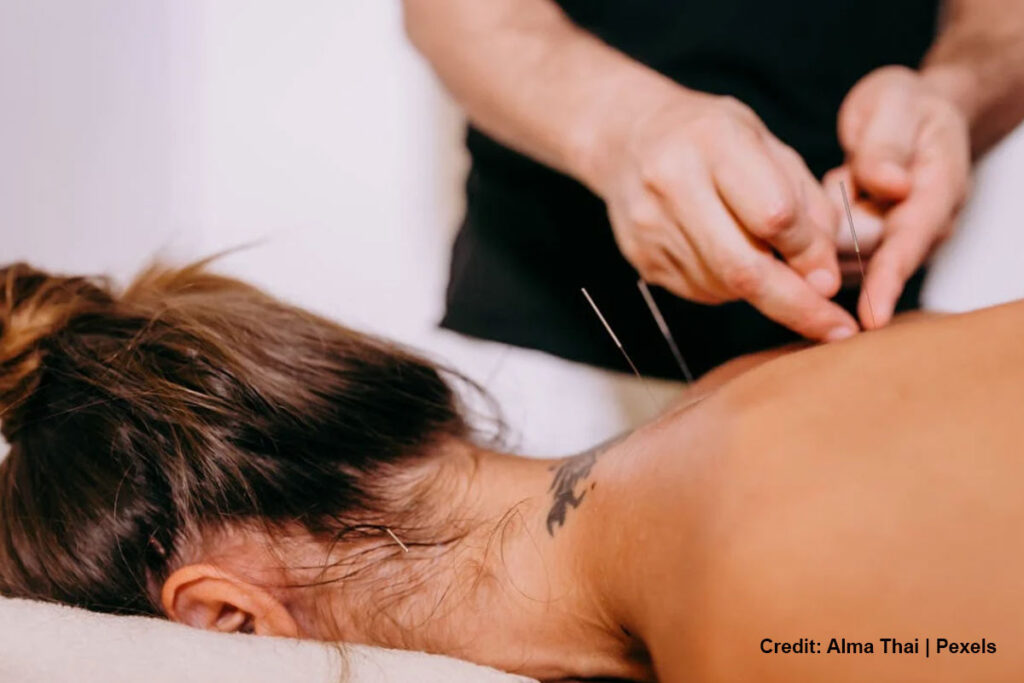
- Needle Placement: Very thin needles are gently inserted into specific points on the body.
- Resting Period: You rest for about 20 to 30 minutes while the body responds to the treatment.
- Needle Removal and Brief Follow-Up: The practitioner removes the needles and briefly discusses how the session went.
Do Acupuncture Treatments Produce Immediate Results?
Many people hope for fast relief after their first appointment. In some cases, patients do feel changes right away. However, immediate results are not guaranteed for every person or condition.
Situations Where Immediate Relief May Occur
Some people feel relief shortly after an acupuncture session. This usually happens when the body responds quickly to the treatment.
- Muscle Tension: Tight muscles may relax after acupuncture because the needles help improve circulation and reduce tension.
- Headaches: Some headaches may ease quickly when acupuncture helps calm nerve signals and reduce pressure.
- Stress or Anxiety: Many people feel calmer after treatment as acupuncture helps relax the nervous system.
- Minor Acute Pain: Pain caused by recent strain or overuse may improve quickly because acupuncture encourages natural pain relief responses.
Why Some Patients Notice Changes Right Away
Some patients notice changes shortly after their acupuncture session. This can happen because the body responds quickly to the stimulation from the needles.
- Nervous System Response: Acupuncture stimulates nerves, which can quickly send signals to the brain and trigger the body’s natural healing response.
- Release of Endorphins: The brain may release endorphins during treatment, which are natural chemicals that help reduce pain and create a sense of relaxation.
- Improved Blood Circulation: Needle stimulation can increase blood flow to certain areas, helping deliver oxygen and nutrients that support tissue recovery.
- Muscle Relaxation: Tight muscles may begin to loosen during or shortly after treatment, which can help reduce discomfort.
Why Immediate Results Are Not Guaranteed
Some people do not notice immediate changes after their first acupuncture session. This is normal because the body may need time to respond and adjust to the treatment.
- Chronic Conditions Take Time: Health issues that have developed over months or years often require several sessions before noticeable improvement occurs.
- Gradual Healing Process: The body sometimes restores balance step by step, which means results appear slowly rather than instantly.
- Different Body Responses: Each person’s body reacts differently to acupuncture, so the timeline for improvement can vary.
- Need for Consistent Treatments: Regular sessions may be needed so the effects of acupuncture can build over time.
Factors That Influence How Quickly Acupuncture Works
Several factors affect how fast acupuncture produces results. These vary by person and condition, so understanding them helps set realistic expectations.
- Type of Condition Being Treated: Acute issues, like a recent muscle strain or tension headache, often respond faster to acupuncture. Chronic conditions usually require more time because the body needs repeated stimulation to adjust.
- Duration and Severity of the Condition: Health issues that have lasted for months or years generally need multiple sessions to see improvement. More severe symptoms can also take longer as the body gradually works to restore balance.
- Individual Body Response: Each person’s body reacts differently to acupuncture, depending on factors like age, overall health, and circulation. Some people notice results quickly, while others may require several sessions to experience benefits.
- Treatment Frequency and Consistency: Regular and consistent treatments help the effects of acupuncture build over time. Skipping sessions can slow progress, whereas following the recommended schedule supports steady improvement.
- Skill and Assessment by the Practitioner: A careful evaluation allows the practitioner to select the most appropriate points for treatment. Properly targeted sessions can help the body respond more efficiently and achieve better outcomes.
Conditions That May Require Multiple Acupuncture Treatments
Some health concerns respond best to repeated acupuncture sessions. Consistent care helps the body adjust and achieve gradual improvement.
- Chronic Pain Conditions: Chronic pain develops over a long period and usually requires multiple treatments to improve. Repeated sessions help reduce inflammation and support gradual relief.
- Hormonal and Internal Health Concerns: Hormonal balance and organ function take time to regulate. Regular acupuncture sessions allow the body to adjust and stabilize these systems.
- Stress-Related and Lifestyle Conditions: Stress-related issues often build up slowly and affect sleep, digestion, and muscles. Acupuncture helps relax the nervous system and supports gradual symptom improvement.
Signs That Acupuncture Is Working Even If Results Are Not Immediate
Some improvements may appear before the main symptom disappears. These early signs indicate that the body is responding to treatment.
- Improved Sleep or Relaxation: Better sleep is one of the first changes patients often notice. Relaxation of the nervous system allows the body to rest more deeply and recover.
- Reduced Frequency or Intensity of Symptoms: Symptoms may not disappear right away, but they can become less frequent or severe. This gradual change is an early sign that treatment is working.
- Gradual Increase in Energy and Well-Being: Patients may feel more energetic after a few sessions. This reflects the body adjusting and functioning more efficiently over time.
- Enhanced Mood and Mental Clarity: Some patients notice an improved mood or clearer thinking after several sessions. This can happen as stress and tension decrease, allowing the mind to feel more balanced and focused.
Tips for Getting the Best Results from Acupuncture
Patients can take several steps to support their acupuncture treatments. These actions help the body respond more effectively and maintain improvements.
- Follow the Recommended Treatment Plan: Attending sessions regularly allows acupuncture effects to build over time. Skipping appointments can slow progress and reduce overall benefits.
- Maintain Healthy Lifestyle Habits: Good sleep, balanced meals, and hydration support the body’s response to treatment. Regular exercise and stress management also help maintain improvements.
- Communicate Openly with Your Practitioner: Sharing updates about symptoms helps guide future treatments. This ensures the care plan remains aligned with your needs.
- Be Patient with the Healing Process: Some improvements take time, especially for long-term concerns. Staying consistent allows the body to respond naturally and gradually.
Why Patience and Consistency Matter in Acupuncture Treatment
Acupuncture often works through gradual changes within the body. While some people feel relief right away, many notice improvements only after several sessions. This step-by-step process gives the body time to restore balance naturally and address underlying issues.
Consistent treatments help reinforce these adjustments. Repeated stimulation allows the nervous system and circulation to respond more effectively. Over time, this steady approach can lead to lasting improvement in symptoms.
Understanding this process helps patients set realistic expectations. It also encourages commitment to the treatment plan for optimal results. Being patient allows the body to fully respond and gain the benefits of acupuncture.
Experience Supportive Care with PARC of Ontario
If you are considering acupuncture in Oshawa, PARC of Ontario provides care focused on your comfort and wellness goals. Each treatment begins with a careful conversation about your symptoms so the care plan reflects your needs and health history.
Whether you are managing chronic pain, stress, or other concerns, consistent acupuncture sessions may help your body move toward better balance. Call us today at (905) 579-9938 to schedule your appointment and learn how we can support your health and well-being.