Can Acupuncture Fix Years of Chronic Pain?
Key Takeaways
- Years of persistent pain retrain your nervous system to stay locked in a continuous stress response.
- Targeted needle stimulation helps reset hyper-reactive nerves and releases stubborn muscular tension.
- Progressive care plans focus on restoring long-term mobility rather than providing a short-lived temporary fix.
- Structured multi-week treatment blocks help maintain cumulative relief for long-standing issues in Oshawa.
Living with persistent pain alters how you move, sleep, and experience daily life. When discomfort lasts for months or years, the central nervous system adapts by keeping pain pathways continuously active. Many individuals turn to alternative, non-pharmaceutical options when conventional methods only provide temporary relief.
Centuries of practice combined with modern neurological research show that targeted needle placement can alter how the brain and spinal cord process pain signals. For residents across the Durham region looking to restore mobility and calm overactive nerves, exploring acupuncture in Oshawa offers a structured pathway toward long-term recovery.
How Does Acupuncture in Oshawa Target Years of Deep Chronic Pain?
Targeted needle stimulation directly interrupts central sensitization by activating A-delta and C nerve fibers, thereby blocking pain signals at the spinal level. When pain persists long after the initial healing period, the nervous system enters a hyperreactive state in which the spinal cord and brain amplify mild pressure into uncomfortable sensations. Receiving care at an Oshawa pain relief clinic disrupts these faulty signaling loops, restoring baseline function.
Rather than acting merely as a temporary distraction, targeted stimulation triggers several distinct biological responses:
- Endogenous Opioid Release: Needling prompts the brain to release beta-endorphins and enkephalins—natural pain-relieving neurochemicals that alter perception at the spinal level.
- Localized Circulation Improvement: Micro-stimulation increases microcirculation around tight tissues, delivering fresh, oxygen- and nutrient-rich blood to chronically restricted areas.
- Muscle Memory Interruption: Trigger point stimulation releases stubborn muscular knots that compress underlying nerves and restrict joint range of motion.
Researchers evaluated data from over 20,000 patients across dozens of randomized controlled trials. The review demonstrated that acupuncture achieved a ~50% responder rate (defined as a 50% or greater reduction in pain intensity) compared to ~30% for sham acupuncture and standard care controls (Vickers et al.). By addressing peripheral tissue tightness and central nervous system sensitivity simultaneously, this modality helps retrain your body’s response to daily physical stressors.
Can Acupuncture Help with Pain That Has Lasted for Decades?
Long-standing discomfort can be systematically managed by desensitizing overactive neural pathways and releasing chronic tissue compensation built up over decades. While an acute sprain might resolve in a few visits, conditions that have accumulated over the years require a progressive approach from a registered acupuncturist in Durham Region to achieve lasting structural change.
Practitioners frequently work with individuals managing stubborn, long-standing issues such as:
- Lower Back Strain & Sciatica: Easing deep gluteal and lumbar tension to relieve pressure along the sciatic nerve track.
- Joint Osteoarthritis: Calming surrounding soft tissue inflammation to make daily walking and standing more manageable.
- Chronic Neck Tension & Stress Headaches: Releasing tight trapezius and cervical muscles that trigger persistent head pain.
- Fibromyalgia & Diffuse Discomfort: Modulating systemic nervous system sensitivity to reduce widespread tenderness.
Calming long-standing pain involves systematically desensitizing pathways that have been firing for years. Consistent care helps shift your body out of a constant “fight-or-flight” stress state, creating space for tissues to repair without continuous neurochemical irritation.
What Should You Expect During a Local Treatment Session?
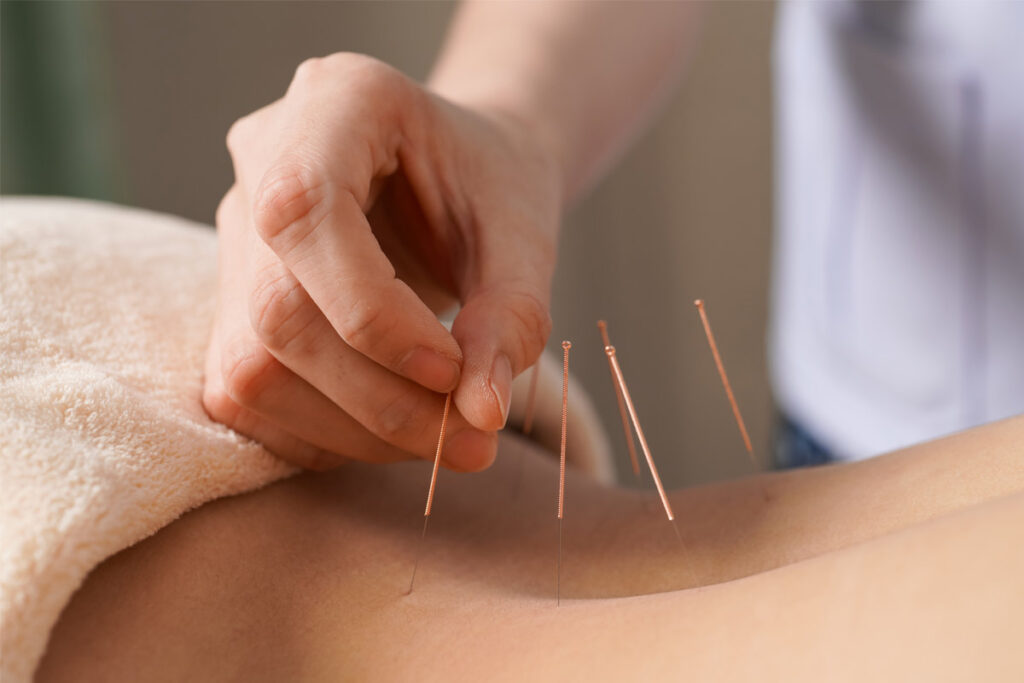
A typical session lasts 45 to 60 minutes and involves a movement assessment followed by the precise placement of hair-thin needles that cause minimal discomfort. Starting a new therapy can feel unfamiliar if you have never experienced needle-based care, but the process is designed to be comfortable, precise, and tailored entirely to your current mobility levels.
Your initial session begins with a comprehensive physical assessment to map out movement limitations, past injuries, and health history. Once target points are identified, hair-thin needles are placed into strategic locations. Most individuals feel a mild tingling, a dull ache, or a brief sensation of warmth—a sign that the nervous system is responding to the stimulus.
Many people report feeling deeply relaxed during care, sometimes falling asleep while resting with the needles in place. A typical recovery strategy involves an initial series of frequent visits to build momentum, gradually tapering off as your body maintains relief independently.
How Many Acupuncture Sessions Are Needed for Chronic Pain Relief?
Most chronic pain conditions require an initial treatment block of 6 to 8 sessions delivered once or twice weekly to achieve lasting nervous system modulation. Because long-standing discomfort involves deeply ingrained neural pathways and adaptive muscle tightness, early visits focus on building cumulative momentum rather than delivering a single, temporary fix.
As baseline pain decreases and physical mobility improves over the initial weeks, the frequency of care is systematically tapered down to bi-weekly or monthly sessions. This maintenance phase ensures that hyper-reactive nerves remain calm while allowing your body to adapt naturally to daily physical stressors without reverting to painful muscle guarding.
Schedule Your Assessment at PARC of Ontario
Living with long-standing pain does not have to be your permanent normal. Retraining your nervous system and releasing deep-seated muscular tension requires a structured, personalized plan built around your daily routines and personal health goals.
The clinical team at PARC of Ontario provides targeted care to help you move comfortably again. Call our clinic directly at 905-579-9938 to schedule your initial consultation and discover how acupuncture in Oshawa can support your path to lasting relief.
Frequently Asked Questions
1. How should you prepare for your first session?
Eat a light meal an hour before care and wear loose, flexible clothing that allows easy access to your lower arms and legs.
2. How does acupuncture differ from dry needling?
Acupuncture uses broad neurophysiological and energetic principles across systemic pathways, whereas dry needling focuses exclusively on releasing isolated muscular trigger points.
3. Are there any side effects after receiving care?
Some individuals experience mild, temporary muscle heaviness or light fatigue as the nervous system settles after treatment.
4. Can needle stimulation be combined with active physical therapy?
Pairing passive nerve modulation with targeted physical rehabilitation helps speed up functional movement gains and long-term joint stability.