Can Regular Massage Therapy Calm Hyperactive Nerves?
Key Takeaways:
- Constant nervous system overdrive leads to physical pain, muscle tightness, and chemical inflammation throughout the body.
- Regular massage therapy mechanically decompresses compressed tissues to safely free trapped nerve paths.
- Rhythmic clinical bodywork triggers chemical and neurological shifts that block hyperactive pain signals from reaching the brain.
- Consistent therapeutic care retrains the body over time to break the self-perpetuating pain-spasm cycle.
Have you ever felt a constant buzzing, unprovoked tingling, or muscle twitching that sleep simply cannot fix? For many residents seeking relief, regular clinical treatment can be a vital step toward reclaiming comfort. If you are struggling with a persistent feeling of physical overdrive, scheduling a session for massage therapy in Scarborough can help downregulate your nervous system and bring your body back into balance.
Living with constant neural irritation can make simple everyday tasks feel like overwhelming chores. Whether you are dealing with sharp radiating pain down your leg or a constant dull ache across your shoulders, a hyperactive nervous system affects your sleep, your mood, and your energy levels. Over time, trying to push through the pain only makes the body more sensitive to discomfort. By addressing these symptoms early with structured clinical care, you can help soothe the underlying neural pathways before the pain becomes a deeply ingrained habit. Taking a proactive approach to your physical health allows your body to finally transition from a state of constant survival to a state of genuine healing.
Anatomy of a “Hyperactive Nerve”: Why Is Your Body in Overdrive?
Our nervous system functions as an intricate communication network that easily falls out of alignment due to daily stress, injuries, or repetitive physical strain. When your body faces continuous pressure, your nerves can become hyperactive and fire off signals far too frequently. For everyday people commuting on the TTC, driving along the busy Highway 401, or sitting at office desks all day, this biological overactivity quickly turns into a major hurdle for daily living. Understanding how these pathways get overloaded is the first step toward getting them to quiet down.
When your body stays on a high-alert setting, even light clothing or gentle adjustments in your posture can cause unexpected discomfort. This happens because your nerve fibers lose their ability to filter out normal, everyday background sensations. Instead of sending standard touch signals to your brain, they interpret everything as an immediate physical threat. Over time, this constant miscommunication exhausts your physical energy and leaves you feeling mentally drained. By looking closely at the mechanical and chemical shifts happening beneath your skin, we can better understand why your body struggles to find its inner calm.
- Autonomic Nervous System Imbalance: The body relies on a delicate balance between its survival drive and its relaxation response. Chronic physical strain or mental stress forces the body to stay stuck in a protective survival loop. This keeps your nerve pathways highly sensitive and alert.
- Ischemic Compression: Chronically tight muscles compress nearby blood vessels and cut off the vital supply of oxygen to your nerve tissues. This lack of oxygen irritates the peripheral nerves and triggers a continuous loop of localized pain. Tight muscle groups act like physical clamps around delicate neural pathways.
- Central Sensitization: Sustained distress forces the spinal cord and the brain to alter how they process everyday sensations. The central nervous system begins to amplify minor inputs into intense, severe pain messages. This means your nerves react strongly to normal movements or light contact.
- Neuroinflammation: Physical trauma or repetitive strain causes a subtle buildup of chemical waste around your nerve endings. These localized chemicals keep the surrounding tissues highly inflamed and sensitive over long periods. The irritated nerve remains on a hair-trigger alert because of this chemical pool.
The Physiological Science: How Clinical Bodywork Intervenes
Manual therapy does not just relax your muscles; it alters the fundamental signals travelling through your neural pathways. Specific mechanical pressure changes the environment surrounding irritated tissues to lower your overall pain perception. By focusing on the direct connection between physical tissue and the spinal cord, clinical bodywork acts like a manual dial that turns down the volume on your pain. It provides a reliable pathway to biological calm without relying solely on temporary fixes.
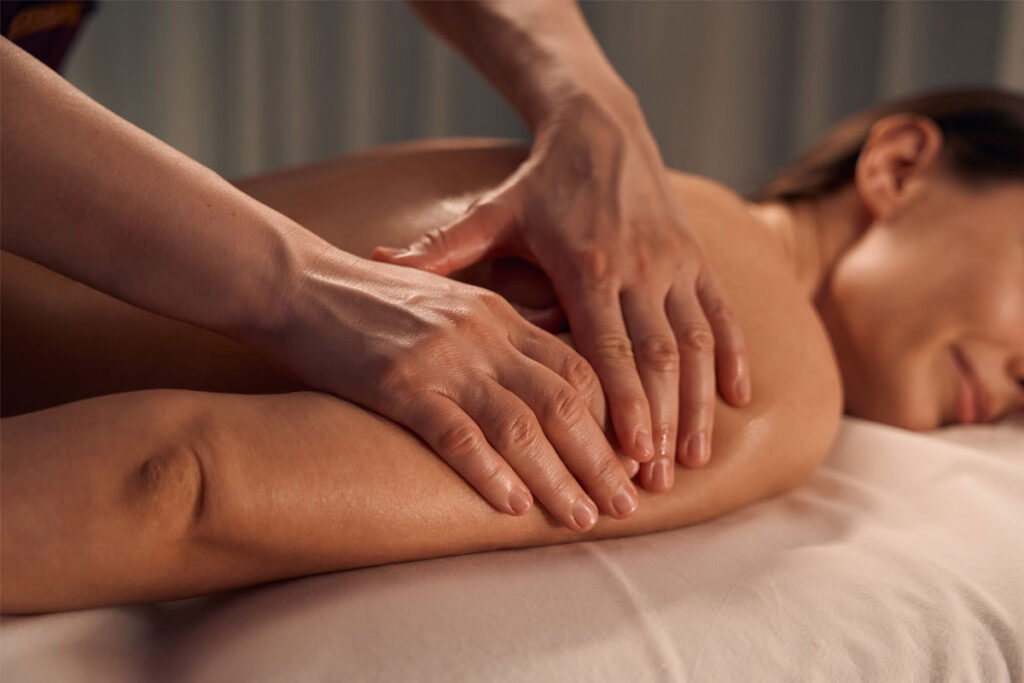
When a skilled practitioner works on your soft tissues, they are essentially having a direct conversation with your central nervous system. The pressure from their hands sends a rush of positive, non-threatening data straight to your brain. This mechanical interaction helps disrupt the old, painful feedback loops that have been keeping your muscles rigid and your mind stressed. As your body absorbs these soothing movements, your heart rate slows and your shallow breathing begins to deepen naturally. This physical transition allows your blood vessels to expand, which floods your tired tissues with fresh nutrients and oxygen. It is a completely natural process that triggers a cascade of healing throughout your entire body.
- Mechanical Tissue Decompression: Physical manipulation creates vital space between rigid muscle fibres and the surrounding connective tissue bands. This targeted release lifts the heavy pressure off trapped nerve bundles like the sciatic nerve. Freeing these pathways allows normal signals to flow without interruption.
- Biochemical Modulation: Direct physical contact helps lower systemic stress hormones, like cortisol, that fuel ongoing tissue inflammation. At the same time, manual stimulation promotes a natural upflux of feel-good brain chemicals like serotonin and dopamine. These chemical shifts naturally alter how your brain interprets pain signals.
- Gate Control Theory of Pain: Fast-moving touch signals from manual therapy travel along thick nerve pathways much quicker than slow pain signals. This rhythmic movement effectively closes a neurological gate inside your spinal cord before pain reaches your brain. The brain processes the comforting touch instead of the underlying ache.
- Enhanced Vagal Tone: Gentle work around the neck, base of the skull, and spine stimulates the major vagus nerve pathway. Activating this pathway signals your heart rate to slow down and reduces widespread nerve firing rates. This response shifts your entire body out of a defensive state.
Effective Modalities for Calming Neuro-Overactivity
Different styles of hands-on therapy offer unique benefits depending on how sensitive your nerve pathways are. Choosing the right approach ensures you calm your system without accidentally causing a temporary pain flare-up. A customized plan avoids aggressive friction that might aggravate an already angry nerve pathway. Working with a professional ensures that the right method is matched to your specific symptoms for the safest possible recovery.
Every individual responds differently to physical pressure, which is why a one-size-fits-all approach never works for complex nerve pain. For instance, a person dealing with intense, acute sciatica will require a completely different plan than someone managing long-term, dull muscular aches. By evaluating your daily routines, your pain history, and your current stress levels, a professional can pinpoint exactly which techniques will provide the fastest relief. They can adjust the depth, pace, and style of the movements during each session to ensure your comfort remains the top priority. This careful, deliberate customization is what transforms a standard wellness session into a truly therapeutic experience.
- Swedish Massage Techniques: This foundational approach utilizes long, rhythmic gliding strokes to gently boost your local blood circulation. The predictable movements focus on inducing a deep relaxation response without overloading your sensitive sensory receptors. Swedish massage serves as an ideal starting point for highly sensitive individuals.
- Neuromuscular Therapy: This targeted method applies steady, static pressure directly to hypertonic muscle knots that compress nerves. Releasing these deep trigger points stops the referred pain that shoots down your limbs. It directly removes the structural source of neural irritation.
- Myofascial Release: Myofascial release involves slow, sustained stretching of the restrictive web of connective tissue wrapping your muscles. Tight fascia can bind nerve pathways and cause a widespread baseline buzz across large areas. Relaxing this internal web gives your neural system room to breathe.
- Lymphatic Drainage: This incredibly gentle pumping technique moves stagnant fluid away from swollen and irritated body tissues. Removing excess fluid flushes out the localized inflammatory waste surrounding your delicate nerve endings. This reduction in local fluid pressure gives immediate comfort to hyperactive pathways.
The Case for Consistency: Single Sessions vs. Regular Care
A single session can offer immediate, temporary comfort, but lasting change requires a structured approach. Regular care trains your body to maintain a peaceful baseline and prevents old injury habits from returning. For true relief from chronic issues, consistency is the key that prevents the body from slipping back into its old painful ruts. Think of it as a form of physical retraining that slowly builds long-term comfort over time.
When you only receive care once in a while, your body treats the relaxation as a rare exception rather than the rule. Your muscles might loosen up for a day or two, but they will quickly snap back into their defensive, guarded patterns as soon as everyday life gets stressful again.
Regular visits, on the other hand, build a reliable foundation of physical safety within your nervous system. Each subsequent session builds directly on the progress of the last one, preventing your pain levels from spiking between appointments. This ongoing support helps your muscles stay lengthened, improves your joint mobility, and keeps your stress hormones consistently low. Ultimately, regular care gives your body the time and space it needs to rewrite its long-term physical habits.
- The Compounding Effect: A single session acts like a brief reset button for your tight muscles and stressed mind. Regular visits work like continuous retraining to teach your neural pathways how to stay calm. Over time, your body remembers this peaceful state as its natural baseline.
- Breaking the Pain-Spasm Cycle: Irritation forces a nerve to signal nearby muscles to spasm for protection. That tight muscle spasm then compresses the nerve further and creates even more intense discomfort. Consistent therapeutic care interrupts this loop before it hardens into chronic sensitization.
- Sustainable Neural Retraining: Flooding your system with positive touch signals week after week helps shrink enlarged pain pathways. Your brain stops looking for threats and reduces its hyper-reactive alerts to everyday movements. This slow structural shift creates true resilience against future physical stress.

Reclaim Balance and Comfort with PARC of Ontario
Persistent nerve irritation can make daily activities feel exhausting, but you do not have to navigate your recovery journey alone. Our professional team provides personalized care to help you find lasting relief. If you want to safely downregulate your nervous system, scheduling regular massage therapy in Scarborough at one of our welcoming clinics is an excellent next step. We design tailored treatment plans that match your unique physical needs and health goals.
Let us help you break the cycle of chronic discomfort and restore your physical freedom. Call PARC of Ontario today at (905) 579-9938 to book your initial assessment and experience how massage therapy can change your life.