Can a Chiropractor Relieve a Severe Cervical Migraine?
The throbbing pain of a severe headache can completely disrupt your daily life, making even simple tasks feel impossible. If you are searching for a chiropractor in Oshawa or across the Greater Toronto Area to find lasting relief, understanding the source of your pain is the first step toward recovery. Many people do not realize that problems in the neck can actually cause intense, migraine-like head pain. By addressing these spinal issues, non-invasive clinical care can help reduce the frequency and severity of your symptoms.
What is a Cervical Migraine?
Severe head pain often traces back to physical tension and joint misalignment located directly in the neck. When structural issues in the cervical spine cause headaches, healthcare providers refer to this condition as a cervicogenic headache. While a classic neurological migraine starts in the brain, these neck-driven headaches mimic those intense symptoms very closely.
- Cervicogenic Headache Definition
This condition is a secondary headache that points directly to structural problems within the cervical spine. The pain feels exactly like a traditional migraine, but the actual root cause sits in the neck joints and muscles. Clinical care focused on the spine can often help resolve these specific symptoms.
- The Referred Pain Pathway
The upper cervical nerves share a common pain-signaling pathway with the main sensory nerves of the face and head. When neck structures become irritated, the brain misinterprets the signals and registers the pain in the forehead or eyes. A chiropractor can help relieve this nerve irritation by correcting the underlying physical issues.
- Common Visual and Physical Signs
Patients usually notice that their head pain starts on one side of the neck or base of the skull before spreading forward. The pain is frequently triggered by sudden neck movements or staying in one position for too long. Individuals may also experience a noticeably stiff neck and a reduced ability to turn their head smoothly.
What are the Root Causes of Cervical Spine Stress
Daily habits and physical injuries place an immense amount of pressure on the delicate structures of your neck. Over time, this constant mechanical strain irritates local nerves and triggers severe, recurring headaches. Identifying these daily triggers helps patients understand why their neck health is so critical to managing head pain.
- Postural Strain
Spending hours looking down at mobile phones or slouching in front of computer screens forces the neck to support extra weight. This forward-head posture creates chronic muscle fatigue and places uneven pressure on the upper vertebrae. Correcting this daily strain is essential for long-term relief from cervical headaches.
- Physical Trauma
Sudden injuries like whiplash from a car accident or a sports collision can damage the ligaments and muscles in the neck. Even after the initial injury heals, the altered movement patterns can leave the spine unstable and prone to causing headaches. Proper rehabilitation is necessary to restore normal movement and prevent chronic pain.
- Structural and Joint Issues
Misalignments in the small joints of the upper spine can limit your normal range of motion and irritate nearby nerves. When these joints do not move correctly, the surrounding muscles tighten up to protect the area, which worsens the headache. A chiropractor uses precise methods to help restore proper joint mechanics in these restricted areas.

How Chiropractic Care Addresses the Source
Targeted clinical care focuses on finding and correcting the structural issues that trigger severe head pain. By using hands-on techniques, a practitioner can reduce pressure on the nerves and improve overall spinal movement. This natural approach helps the body heal without relying solely on temporary pain medications.
- Comprehensive Clinical Assessment: The first step involves a detailed physical examination, posture analysis, and checking how well your neck joints move. The practitioner will check your reflexes, muscle strength, and specific pain points to find the exact source of your discomfort. This careful evaluation ensures that your upcoming care plan targets the right areas safely.
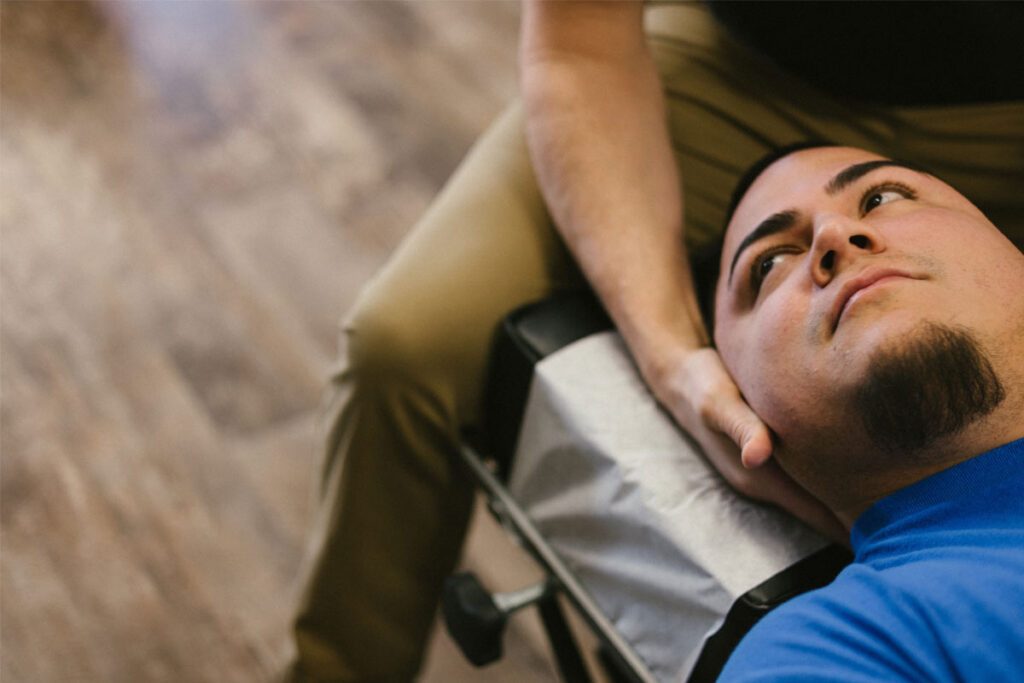
- Spinal Manipulation: This technique involves applying a precise, controlled force to specific joints in the neck that are not moving properly. The goal is to restore normal alignment, improve joint mobility, and immediately reduce nerve irritation. Many patients find that regular spinal manipulation help lower the overall intensity of their headaches.
- Mobilization Techniques: For patients experiencing severe, acute pain, gentler low-velocity joint movements are utilized instead of quick adjustments. This slower approach helps increase joint range of motion without placing sudden stress on highly sensitive tissues. It provides a comfortable option for individuals who are nervous about neck care.
- Myofascial Release: This soft tissue therapy focuses on relieving the intense tension and spasms in the muscles at the base of the skull. Tight muscles frequently compress local nerves and pull the spinal joints out of their proper alignment. Relaxing these tissues helps maintain the benefits of spinal adjustments for longer periods.
- Complementary Modalities: Clinical care often incorporates helpful therapies like acupuncture in Oshawa or therapeutic ultrasound to reduce localized swelling and inflammation. These options work alongside manual adjustments to speed up tissue healing and soothe irritated nerve pathways. Combining these methods provides a more rounded approach to pain relief.
- Biomechanical Optimization: This part of care focuses on correcting the overall curve of your spine to ensure balanced weight distribution. When your spine is properly aligned, your neck muscles do not have to work overtime just to hold your head up. This long-term alignment reduces the daily wear and tear that leads to headache flare-ups.
What to Expect and Safety Considerations
Starting a new healthcare routine requires a clear understanding of the recovery process and safety protocols. Your care provider will always put your safety first by conducting thorough screenings before performing any physical adjustments. Recovery is a gradual process that moves from quick pain relief to long-term spinal stability.
- Individualized Care Plan
Every patient receives a tailored schedule that matches the severity of their condition and their personal lifestyle. The initial phase concentrates on reducing your acute pain, while later sessions focus on strengthening the neck muscles. This progressive approach ensures that your spine stays healthy and resilient over time.
- Safety Screenings
Before any manual therapy begins, your provider checks for vascular risks, bone density issues, or spinal instability. These detailed tests ensure that spinal adjustments are completely safe and appropriate for your specific body. If any risks are found, the care plan is modified to use gentler techniques.
- Multidisciplinary Coordination
For complex cases, your provider will communicate with your primary care family doctor or neurologist to coordinate your overall treatment. This collaborative effort ensures that all aspects of your health, including any need for medication, are managed safely. Working together provides the most thorough care possible for severe headache sufferers.
Lifestyle Tips to Prevent Cervical Headaches
Making small, intentional changes to your daily habits can significantly reduce the physical stress on your neck. Combining professional clinical care with smart home habits gives your spine the support it needs to stay pain-free. These simple adjustments help prevent new headache episodes from starting.
- Ergonomic Workspace Setup
Position your computer screen directly at eye level so you do not have to tilt your head down. Keep your feet flat on the floor and use a supportive chair that guides your lower back into a neutral position. Taking the time to adjust your desk setup removes constant, daily strain from your neck muscles.
- Regular Stretching Breaks
Set a timer to remind yourself to stand up, gently roll your shoulders, and stretch your neck every hour. Simple movements like tucking your chin or tilting your ear toward your shoulder can prevent muscles from freezing up. These quick movement breaks keep blood flowing and stop tension from building up during work.
- Supportive Sleep Posture
Use a contoured orthopedic pillow that keeps your neck perfectly aligned with your spine while you rest on your back or side. Avoid sleeping on your stomach because it forces your head to turn to one side for hours at a time. A neutral sleeping position allows your neck muscles to fully relax and recover overnight.
Finding Local Relief: Support for Oshawa Patients
Residents living in the Oshawa area face unique daily challenges, from long, stressful commutes down Highway 401 to heavy hours spent working at regional manufacturing, healthcare, or corporate desks. These routine activities contribute heavily to poor forward-head posture and chronic neck stiffness.
If you are an Oshawa patient dealing with severe, recurring headaches, local clinical care is easily accessible right in your community. You do not need to travel far out of Durham Region or across the Greater Toronto Area to find a qualified professional who understands cervicogenic pain. Seeking care close to home makes it much easier to stay consistent with your appointments and get the ongoing spinal support you need.
Relieve Your Pain with PARC of Ontario
If you are tired of living with debilitating head and neck pain, the dedicated team at PARC of Ontario is here to support your recovery. We provide comprehensive, non-invasive chiropractic care designed to address the structural issues causing your discomfort. Whether you need a trusted chiropractor in Oshawa or are looking for care at our other convenient Greater Toronto Area locations, we focus on treating the actual source of your symptoms. Our goal is to help you return to your regular activities without constant pain. Call us today at (905) 579-9938 to schedule your physical assessment.