Do Custom Orthotics Fix Pain or Just Mask Symptoms?
Chronic foot, knee, or lower back pain can make simple daily tasks feel like monumental challenges. Many people find themselves trapped in a frustrating cycle of using ice packs, taking painkillers, or buying generic insoles that only offer brief relief. If you are searching for a lasting solution and exploring options for custom orthotics in Scarborough, you might wonder if these devices actually correct the structural cause of your discomfort or simply hide the real issue.
Understanding how your feet impact your whole body is the first step toward true physical recovery. There is a major difference between a basic cushion that covers up a symptom and a personalized medical device designed to fix a structural problem. This guide will break down the science behind gait correction to help you make an informed decision for your long-term health.
The Core Difference: Custom Orthotics vs. Over-the-Counter Insoles
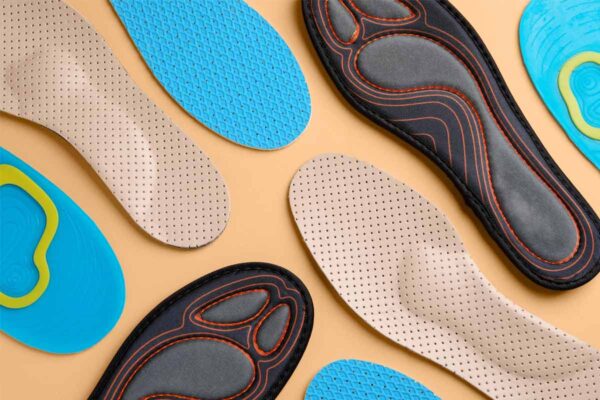
Many people confuse drugstore insoles with prescription orthotic devices because they both slide directly into your footwear. However, mass-produced inserts and personalized orthotics serve entirely different purposes when it comes to your musculoskeletal health.
- Mass-Market Design
Over-the-counter inserts are manufactured to fit generic shoe sizes rather than unique foot structures. They rely on standard shapes that do not account for individual structural abnormalities or specific pressure points. This means they cannot provide targeted biomechanical correction for complex walking patterns.
- Shock Absorption Focus
Retail insoles are primarily made of soft foam or gel to provide temporary padding. While this extra cushioning can reduce immediate pressure on the bottom of your heel, it does not change how your foot moves. The soft materials quickly compress over time, leaving you without any real structural support.
- Prescription Engineering
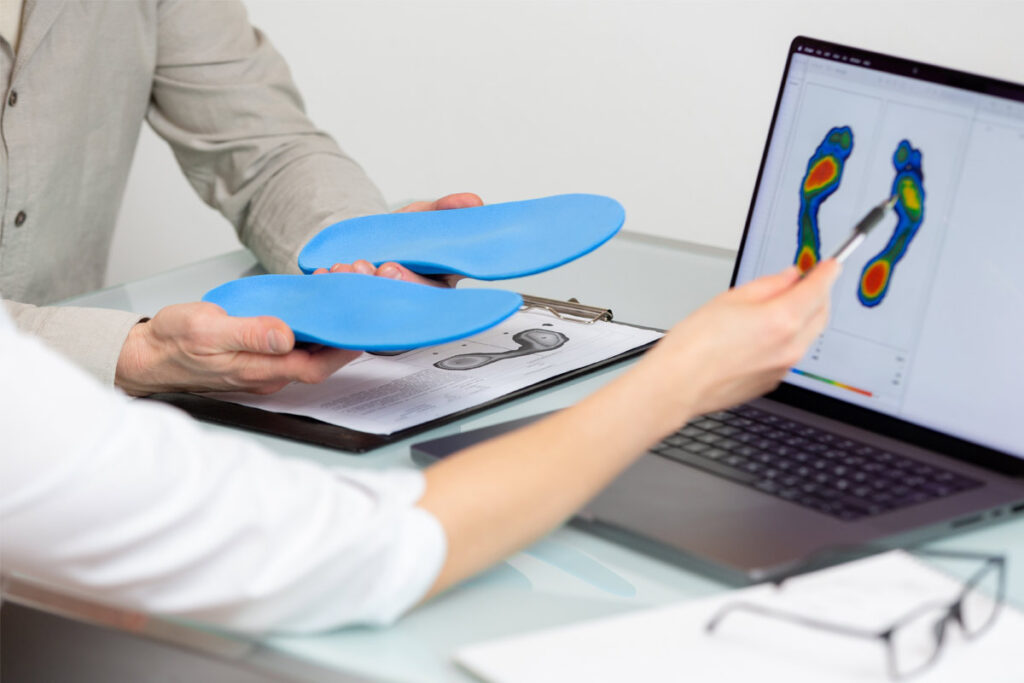
True custom orthotics are fabricated from exact three-dimensional models of your feet obtained through precise casting or digital scanning. They are crafted from durable, medical-grade materials designed to guide your feet into an optimal functional position. This specific alignment targeted by custom orthotics directly addresses the unique structural imbalances that trigger your pain.
How Custom Orthotics Correct Root Biomechanical Issues
Your feet serve as the foundation for your entire body, meaning any structural imbalance at the bottom can throw off your alignment all the way up to your neck. When your feet fail to absorb shock or distribute your weight evenly, your joints and muscles have to work much harder to keep you upright.
- Kinetic Chain Alignment
The kinetic chain refers to how the joints and segments of your lower body influence each other during movement. When your foundation is unstable, it causes a chain reaction that strains your ankles, knees, hips, and lower spine. Using custom orthotics helps stabilize this foundation, which naturally reduces abnormal stress on the joints higher up.
- Overpronation Correction
Overpronation occurs when your arches flatten excessively and your feet roll inward too much while you walk. This inward roll forces your shin and thigh bones to twist inward, placing immense strain on your knee caps and pelvic alignment. By placing custom orthotics under your feet, you receive the exact arch support needed to stop this internal twisting.
- Supination Management
Supination means your feet have rigid, high arches that do not roll inward enough to absorb shock when you step. As a result, the harsh impact forces from walking on hard Scarborough pavements travel straight up into your leg bones and lower back joints. Properly designed custom orthotics provide full structural contact under your high arch, which spreads out the impact and cushions your stride.
- Pressure Redistribution
Living with structural issues often creates localized hot spots of intense pressure on the bottom of your feet. These high-stress areas can lead to painful calluses, deep tissue inflammation, or breakdown of the skin. Wearing custom orthotics ensures that your body weight is distributed evenly across the entire surface of your foot to protect vulnerable areas.
Addressing Common Conditions: Fix vs. Relief
Many painful lower body conditions are caused directly by repetitive strain from poor walking mechanics. By wearing devices that alter these mechanics, you can change how force impacts your tissues and give your body a real chance to heal.
- Plantar Fasciitis
This condition involves painful inflammation of the thick band of tissue running along the bottom of your foot. When your arch collapses repeatedly during walking, it overstretches this tissue and causes micro-tears near the heel bone. Incorporating custom orthotics into your shoes keeps your arch stable and prevents this painful tissue from overstretching with every step.
- Patellofemoral Pain Syndrome
Runners and walkers often experience a dull ache behind or around the kneecap due to poor tracking. If your foot rolls inward excessively, it pulls your kneecap out of its natural groove and causes painful friction against the thigh bone. Wearing custom orthotics realigns your lower leg so your kneecap can glide smoothly without grinding.
- Chronic Lumbar Strain
Asymmetrical foot alignment frequently causes one side of your pelvis to drop lower than the other while walking. This imbalance forces your lower back muscles to contract constantly just to keep your torso level and steady. Utilizing custom orthotics balances your stride from the ground up, which relieves that constant muscular tension in your lower back.
The “Muscle Weakness” Myth: Do Orthotics Make Your Feet Lazy?
A frequent concern among patients is whether relying on external support will cause the intrinsic muscles of the foot to weaken over time. Understanding the functional science reveals that supportive devices actually promote healthier muscle activity rather than causing muscle loss.
- Cast vs. Support
A traditional medical cast completely immobilizes a joint, which prevents muscle movement and leads to muscle wasting. In contrast, custom orthotics allow your foot to move through its natural range of motion while blocking only the harmful movements. This means your muscles continue to work actively without being subjected to damaging structural strain.
- Muscle Activation
When your foot structure is severely misaligned, your foot muscles become overworked and fatigued from trying to stabilize your bones. By using custom orthotics to provide structural stability, your muscles can fire in their correct and efficient patterns. This optimal activation reduces muscle fatigue and allows you to walk longer distances without pain.
- Overuse Prevention
Weakness often happens when muscles are so strained and inflamed that they can no longer function properly. Protecting your feet with custom orthotics reduces this structural stress and allows weak muscles to recover safely. Once the inflammation subsides, your muscles can actually become stronger through normal, pain-free daily movement.
Integrating Orthotics into a Complete Recovery Plan
While structural inserts are highly effective at correcting poor alignment, they work best when combined with an active approach to physical wellness. Lasting recovery usually requires a strategy that addresses both bone alignment and muscle strength.
- Active Rehabilitation
Wearing custom orthotics provides immediate mechanical support, but pairing them with targeted exercises creates long-term structural resilience. Strengthening your calves, ankles, and core muscles helps your body maintain good posture even when you are barefoot. This dual approach ensures your body receives both passive support and active physical conditioning.
- Manual Physical Therapy
Combining structural support devices with hands-on clinical care accelerates the healing of tight, strained tissues. Soft tissue mobilization and joint adjustments can help restore full movement to stiff areas in your feet and ankles. Once your joints move freely, your custom orthotics can guide your feet into the healthiest possible alignment.
- Gait Education
Changing how your feet hit the ground is a process that benefits from conscious movement awareness and practice. Learning how to walk with proper posture helps you maximize the physical benefits of your new orthotic inserts. This lifestyle adjustment helps prevent old, painful movement habits from returning in the future.
- Footwear Selection Guidance
Wearing the right style of shoes is essential because the shape and depth of your footwear determine how well your supportive insert functions. A poorly structured shoe can squeeze your foot or cancel out the corrective alignment provided by your inserts. Receiving professional advice ensures you match your custom orthotics with stable, supportive shoes that maximize your physical recovery.
Regain Your Mobility with PARC of Ontario
If you are tired of managing persistent lower body discomfort, it is time to look closely at your foundational alignment. At the Physiotherapy and Rehabilitation Centres (PARC) of Ontario, we provide thorough biomechanical assessments to help you understand the root cause of your symptoms. Our team works directly with you to identify structural issues and determine if custom orthotics are the right choice for your lifestyle.
Our team provides comprehensive, personalized care to help you move comfortably through your daily routine. If you are ready to explore options for custom orthotics in Scarborough, connect with us at one of our convenient community locations. Call us today at 647.352.1100 to book your initial consultation, and let us help you build a pain-free foundation for your health.