7 Neurological Signs That Mean You Need a Chiropractor
Maintaining a healthy lifestyle involves paying close attention to how your body communicates when it’s under internal stress. When your spinal structure misaligns, it directly affects the delicate pathways of your central nervous system. If you experience persistent nerve irritation, consulting a qualified chiropractor in Scarborough can help you identify the root cause of your discomfort. Finding relief begins with understanding these physical indicators so you can take proactive steps toward recovery.
How Your Spine Affects Your Nervous System
Your spinal column serves as the main protective highway for the neural pathways connecting your brain to the rest of your body. When the bones of your spine shift out of their proper positions, they can create localized pressure on nearby nerve roots.
- Neural Communication Highway: Your brain sends continuous electrical signals down the spinal cord to control every muscle and organ. Structural shifts can interrupt these signals and cause noticeable physical symptoms. Restoring proper alignment helps ensure that these messages travel without interference.
- Mechanical Nerve Pressure: Misaligned joints cause localized swelling and tissue irritation in the surrounding areas. This structural stress directly pinches or rubs against the exiting nerve pathways. Minimizing this physical friction is essential for long-term comfort.
- Goal of Joint Mobilization: Gentle manual adjustments aim to restore normal movement to stiff or locked joints. Moving these joints back into balance reduces mechanical strain on the nerve tissue. This process allows the body to initiate its natural healing response.
7 Neurological Symptoms That Direct You to Structural Care
Your nervous system uses specific physical sensations to warn you when structural issues are affecting your health. Ignoring these indicators can lead to prolonged discomfort and more severe functional limitations over time. Working with a chiropractor can help you pinpoint the exact location of spinal irritation.
1.Persistent Numbness or Tingling
A frequent pins-and-needles sensation in your hands or feet indicates irritation of the nerve pathways. This feeling often indicates that a nerve root in your neck or lower back is compressed. Addressing structural alignment can help restore normal sensation in your extremities.
- Cervical Nerve Compression: Irritation in the neck vertebrae often travels directly down into your fingers. This mechanical pressure blocks the normal flow of sensory information along the nerve path. Restoring alignment relieves this compression, stopping the tingling sensation completely.
- Lumbar Nerve Pressure: Misalignments in the lower back frequently cause numbness to spread into your toes. Prolonged sitting on hard surfaces can worsen this pressure on the lower spine. Correcting lumbar positioning helps restore normal sensation to the lower limbs.
- Peripheral Neuropathy Symptoms: Sensory changes in the outer limbs often mimic other complex health conditions. A structural evaluation helps rule out simple joint pressure before exploring invasive options. Gentle manual care can reduce the structural friction that causes these sensory errors.
2. Sharp Radiating Leg Discomfort
Shooting pains that travel from the lower back down through the leg point to sciatic nerve irritation. This sharp discomfort often intensifies when you sit down or bend forward. Aligning the pelvis and lower spine can help relieve the pressure causing this radiating pain.
- Sciatic Nerve Entrapment: The sciatic nerve is the largest single nerve structure inside the human body. When surrounding tissues or pelvic bones shift, they can easily trap this major pathway. Adjusting the lower spine reduces the physical friction on this long nerve.
- Lumbar Disc Herniation: Bulging or shifting discs in the lower back press heavily on local nerves. This pressure sends sharp, immediate pain signals down the back of the leg. Managing spinal mechanics helps take the structural burden off the affected disc.
- Postural Pelvic Imbalance: Sitting with poor posture at work desks causes the pelvis to tilt unevenly. This tilt places uneven weight on the lower spinal joints and irritates nerves. Rebalancing the pelvic base helps distribute body weight evenly across the lower spine.
3. Loss of Hand Grip Strength
Suddenly dropping everyday items or struggling to open jars indicates compromised motor nerves. Nerves supply the vital electrical signals required for muscle contractions and physical strength. Improving spinal health can restore proper communication to your weak muscles.
- Motor Pathway Interruption: Nerves carry motor commands from the brain directly to the muscle fibers. When structural barriers block these paths, the muscle cannot contract with full force. Removing the structural block allows the full electrical signal to reach the hand.
- Cervical Radiculopathy Effects: Structural issues in the lower neck can weaken the entire arm over time. Patients often notice this issue when lifting groceries or turning heavy door handles. Keeping the neck joints moving freely preserves the motor strength in your arms.
- Muscle Atrophy Prevention: Leaving a motor nerve compressed for a long time can lead to muscle wasting. Early structural care ensures that the nerve continues to feed the muscle properly. Keeping the nerve pathway clear is vital for maintaining your long-term physical grip.

4. Chronic Tension Headaches
Dull aching pains that wrap around your forehead often stem from issues in the upper neck. The top vertebrae in your neck can irritate nearby cranial nerves when they move out of place. Correcting these upper cervical joint movements can reduce the frequency of these painful episodes.
- Suboccipital Nerve Irritation: The nerves at the base of the skull are highly sensitive to joint shifts. When you hunch forward over screens, these joints compress the delicate nerve endings. Aligning the upper neck takes the mechanical strain off these sensitive areas.
- Cervicogenic Headache Triggers: Many headaches actually originate from hidden joint issues inside the neck structure. Cervicogenic headache travels upward and settles behind the eyes or across the temples. Improving neck joint mobility stops the pain signals from travelling into the skull.
- Restricted Cranial Circulation: Tight neck joints can place pressure on small blood vessels heading to the head. This restriction limits smooth blood flow and contributes to feelings of tight pressure. Proper joint alignment supports healthy circulation throughout the upper neck and head.
5. Reduced Deep Tendon Reflexes
A slow or absent response when a practitioner taps your knee reveals delayed nerve conduction. This sluggishness means the message between your muscle and spinal cord faces a structural block. Removing the joint restriction helps speed up your body’s natural reflexive responses.
- Reflex Arc Interference: Reflexes rely on a rapid communication loop that skips the conscious brain entirely. If a spinal bone pinches the pathway, the reflex signal slows down noticeably. Correcting the alignment ensures this safety loop operates at normal speed.
- Neurological Signal Delay: A delayed reflex is a clear objective sign of physical nerve root compression. Practitioners use this indicator to trace exactly which spinal level is experiencing trouble. Clearing the joint blockage restores the sharp responses your nervous system needs.
- Clinical Progression Monitoring: Tracking reflex changes helps measure how well your nerve pathways are recovering over time. As structural pressure decreases, the reflex response naturally returns to its normal baseline. This physical check provides clear proof that your spinal health is improving.
6. Frequent Balance Issues
Feeling clumsy or unsteady while walking on flat surfaces can relate to poor joint feedback. Your spine contains tiny receptors that tell your brain where your body is in space. When these joints lock up, your brain receives confusing spatial data, which can affect your stability.
- Proprioception Disruption: Proprioception is your body’s built-in ability to sense its position and movement. Locked spinal joints fail to send accurate positional data up to the brain. Clearing joint restrictions helps restore the accurate flow of this spatial information.
- Vestibular Communication Errors: The inner ear works closely with the neck joints to keep you perfectly upright. If the neck joints are misaligned, they send conflicting details that confuse the balance center. Aligning the neck helps match the joint signals with your inner ear data.
- Gait Instability Relief: Poor balance often causes people to alter their gait. This altered walking style creates secondary strains in the knees, hips, and ankles. Restoring spinal balance helps you maintain a natural and stable walking pattern.
7. Localized Muscle Spasms
Muscles that lock into tight, painful knots often do so to protect an irritated nerve pathway. The irritated nerve sends continuous, rapid-fire signals that keep the muscle tissue contracted. Relaxing the nearby spinal joints allows the nerve to stop triggering these spasms.
- Protective Guarding Mechanism: The body automatically tightens muscles around an injured or unstable spinal joint. This natural guarding is meant to keep the damaged area from moving too much. Gentle structural adjustments help calm this excessive splinting reaction by stabilizing the joint.
- Hypertonic Tissue Strain: Persistent spasms reduce local blood flow and cause metabolic waste to build up. This waste buildup makes the muscle feel incredibly tender and sore to touch. Restoring proper joint motion allows fresh blood to flush out the tense tissue.
- Chronic Cramping Cycles: A pinched nerve can trap a muscle in an endless loop of painful cramping. Breaking this cycle requires addressing the underlying nerve irritation rather than just massaging the muscle. Relieving the nerve pressure allows the muscle to finally soften and relax.
Visit PARC of Ontario for Dedicated Care in Scarborough
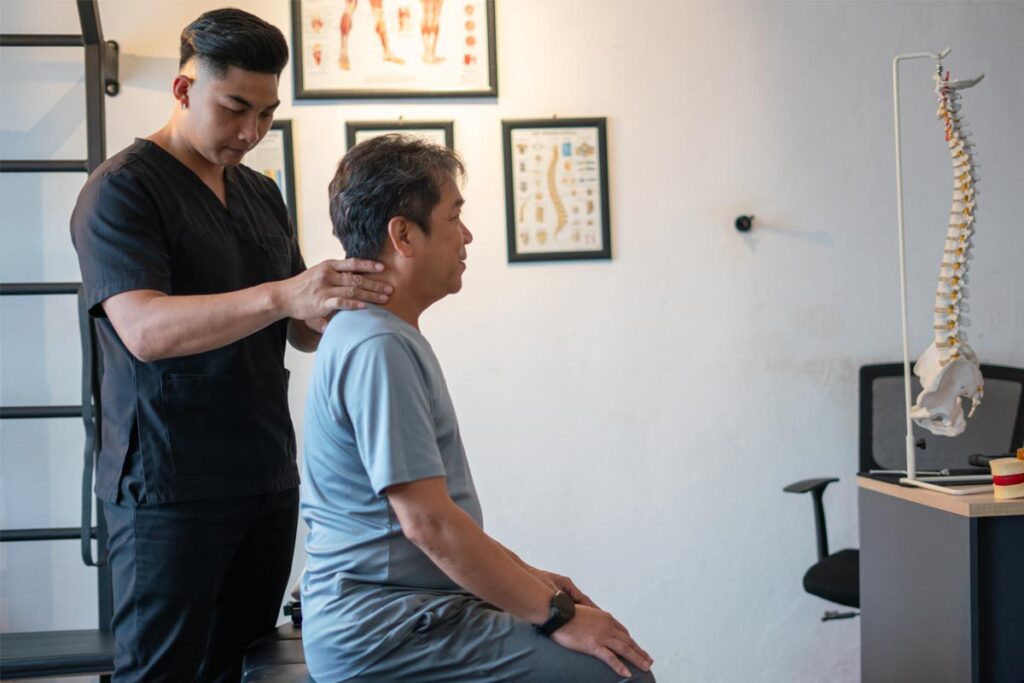
Are you experiencing any of these warning signs in your daily life? At PARC of Ontario, we understand how structural imbalances can disrupt your routine and limit your comfort. Our team provides attentive care to help Scarborough residents find the source of their nerve discomfort and regain their physical freedom.
If you are searching for a dependable chiropractor in Scarborough, visit our local clinic for a comprehensive evaluation. Let us help you support your nervous system and restore your physical well-being. Call us today at (905) 579-9938 to schedule your assessment.