A Parent’s Guide to Healthy Steps: Signs Your Toddler Needs Early Custom Orthotics
Watching your toddler take their very first steps is a wonderful milestone for any parent. As your little one begins to explore the world on their own two feet, you might notice unique quirks in how they walk, balance, and run.
While many early walking patterns are just a normal part of growing up, some habits can point to underlying structural concerns that require professional attention. If you notice persistent imbalances, a clinical assessment can help determine if your child would benefit from early intervention, such as custom orthotics in Scarborough, to support their growing body and keep them moving comfortably.
Developmental Timeline: What is “Normal” for Toddler Feet?
Young children go through rapid musculoskeletal changes during their first few years of life. Understanding these developmental stages helps parents recognize the difference between natural growth phases and signs that might require a closer look by a professional.
- Infantile Fat Pads
Toddlers are naturally born with a thick cushion of fat on the bottom of their feet that completely hides their inner arches. This makes almost all children look flat-footed when they first learn to stand and take steps. The physical appearance is entirely normal and provides a wide, stable base for early balance.
- Flexible Ligaments
The ligaments and tissues holding the tiny bones together in a toddler’s foot are incredibly flexible and stretchy. This high flexibility means the foot naturally flattens out completely whenever weight is placed on it. As the child grows and walks more, these tissues gradually tighten to form a stronger structure.
- Arch Development Timing
True structural arches typically begin to appear and become visible between the ages of two and three. As the surrounding muscles strengthen and the fat pad shrinks, a distinct curve should form along the inside of the foot. If the foot remains completely flat past this age, it may be time to monitor their progress.
- The Musculoskeletal Chain
The structural alignment of a child’s foot directly influences the position of their entire lower body. Misalignments in the feet can cause a chain reaction that alters how the ankles, knees, and hips align. Addressing these issues early prevents minor imbalances from affecting joint health later in life.
Core Signs Your Toddler May Need Custom Orthotics
As children become more active, certain physical markers and behavioral habits can show that their feet are not supporting their weight efficiently. Paying close attention to how your child moves during daily play can help you spot early indicators of structural strain.
- In-Toeing Walking Habits
Children with this condition walk with their toes pointing inward toward each other instead of straight ahead. While it can happen naturally during early growth, a severe inward turn can cause frequent tripping as they bump their own feet. If this walking pattern does not improve by age two, custom orthotics can help realign their lower limb movement.
- Out-Toeing Gait Patterns
This structural habit causes a toddler to walk with their feet turned outward, resembling a duck’s gait. It often develops as a way for the body to compensate for a lack of balance or tight hip muscles. Over time, this outward twisting places uneven pressure on the ankle joints and the sides of the feet.
- Visible Arch Collapse
This physical sign occurs when the inside curve of the foot completely disappears the moment the child stands up. You can easily see the ankle bones tilting inward toward the floor while the child carries their own weight. Using custom orthotics helps support these weak areas so the bones can mature in a healthier position.
- Unexplained Physical Fatigue
Some toddlers will suddenly refuse to walk short distances or constantly ask to be carried during normal family outings. This behavior often happens because misaligned feet force the leg muscles to work twice as hard just to stay upright. The extra physical strain drains their energy quickly and makes everyday activities exhausting for them.
- Frequent Clumsy Falls
If your toddler trips and loses their balance much more often than other children their age, it might not be simple clumsiness. Poor foot mechanics can make it very difficult for a child to clear the ground properly with each step they take. Stabilizing their base can significantly improve their coordination and help reduce these accidental falls.
- Uneven Shoe Wear
Checking the bottom of your child’s everyday sneakers can reveal a lot about how they distribute their weight. If you notice that the inner or outer edges of the soles are wearing down much faster, their gait is uneven. This rapid, asymmetrical wear shows that certain parts of the foot are taking too much impact.
- Persistent Toe Walking
It is common for toddlers to experiment by walking high up on their tiptoes when they first find their balance. However, making this a permanent habit past the initial learning phase can point to short calf muscles or tight tendons. Custom orthotics can be designed to encourage a proper heel-to-toe stride and prevent future muscle tightness.
- Frequent Leg Discomfort
Toddlers might not always have the vocabulary to explain foot pain, but they may rub their shins, knees, or arches after playtime. They might complain that their legs feel tired or sore even after a very light day of activity. This type of discomfort should not be ignored or brushed off as simple growing pains.
Practical Tips for Monitoring Your Child’s Foot Health
Parents can use simple, everyday observation methods at home to track how their child’s feet are managing their weight. These practical steps offer an easy way to gather helpful details before scheduling a clinical assessment.
- Wet Footprint Test
You can have your child step into a shallow tray of water and then walk immediately onto a dry piece of colored paper. A healthy footprint will show a clear curve along the inside where the arch does not touch the ground. If the entire shape of the foot leaves a solid wet mark, it indicates a flat foot pattern.
- Heel Counter Inspection
Examine the back part of your child’s shoes to see if the material is leaning heavily to one side. A shoe that tilts inward shows that the foot is rolling too much, which places strain on the inner ankle. If the fabric is stretched or warped out of shape, the shoe is no longer providing adequate support.
- Playtime Activity Logging
Keep a brief note of how long your child can run around before they sit down to rest. Pay attention to whether they avoid active games with other children or complain about their legs afterward. Tracking these patterns over a few weeks provides useful information for your family doctor or clinical practitioner.
- Annual Alignment Checks
Making a habit of checking your child’s standing posture once a year helps you see structural changes as they grow. Stand directly behind your toddler while they look straight ahead to see if their heel bones look straight or tilted. Catching small shifts early ensures you can access custom orthotics before any permanent walking habits form.
Why Custom Orthotics Prescription Matters
When a child needs structural support, a personalized device is necessary to address their specific anatomical alignment. Off-the-shelf inserts cannot provide the tailored care that developing bones and joints require.
- Generic Insert Limitations
Store-bought insoles are mass-produced to fit a wide range of feet based only on general shoe sizes. They do not account for the unique shape, weight distribution, or specific walking imbalances of your individual child. Using them can sometimes worsen an imbalance by placing pressure on the wrong parts of a growing foot.
- Biomechanical Gait Analysis
A clinical professional observes your child while they move to see exactly how their muscles and joints interact. This detailed evaluation looks at the entire walking cycle, from the moment the heel hits the floor to the push-off. Understanding these movements ensures that any prescribed custom orthotics will target the exact cause of the problem.
- Precise Foot Moulding
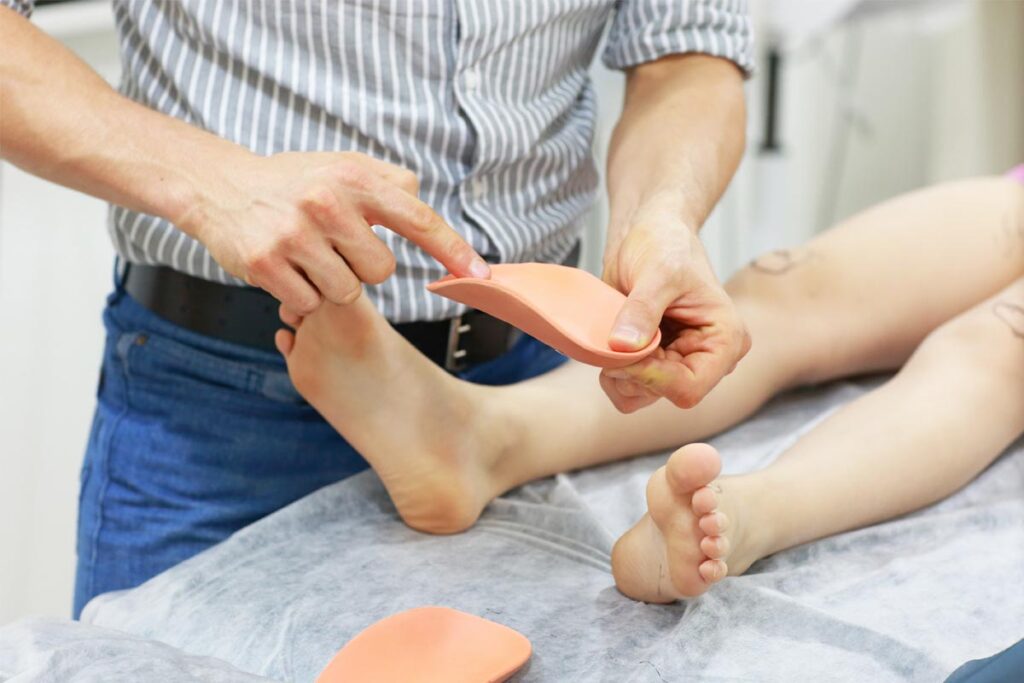
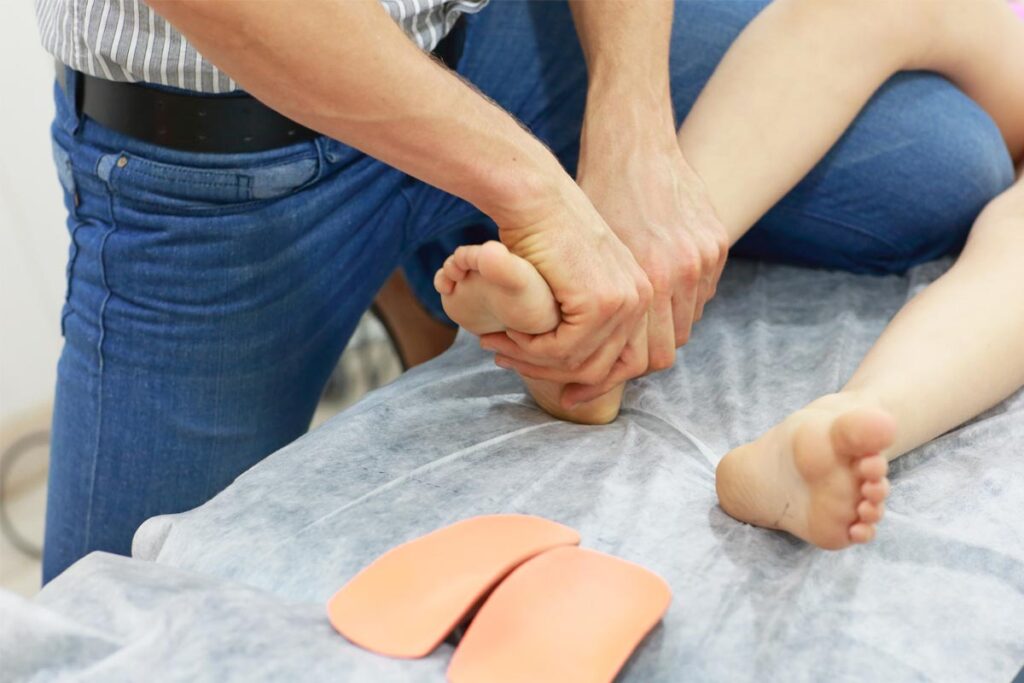
To create a truly personalized device, an exact three-dimensional model of your child’s foot must be captured while it is held in a corrected position. This process guarantees that the finished device matches their unique contours perfectly. The resulting fit delivers accurate support exactly where their changing bone structure needs it most.
- Long-Term Development
Children’s feet change constantly, meaning their support systems must adapt to their ongoing growth. Regular follow-up appointments allow a practitioner to check how the child is responding to their custom orthotics. This continuous monitoring ensures the devices are updated as the child grows to maintain proper lower body alignment.
Schedule a Family Consultation at PARC of Ontario
If you have noticed any unusual walking habits, uneven shoe wear, or signs of early fatigue in your toddler, taking action early can make a meaningful difference in their physical development. At PARC of Ontario, we provide thorough assessments to help parents understand their child’s unique musculoskeletal needs. Our team works closely with families throughout the Greater Toronto Area to monitor growth, analyze walking patterns, and determine if custom orthotics in Scarborough can help improve your child’s comfort and mobility.
We understand that every child grows at their own pace, and we are committed to providing clear, practical guidance for your family. Call us today at 647.352.1100 to schedule a comprehensive evaluation for your toddler, and let us help ensure that your child’s first steps lead toward a lifetime of healthy, active movement.