What Early Warning Signs Suggest Poor Foot Alignment?
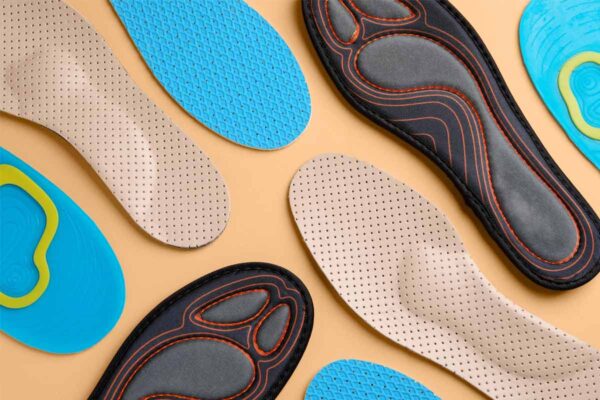
Foot alignment affects how your entire body moves, absorbs pressure, and stays balanced throughout the day. When alignment is off, the feet often send early signals long before serious pain or injury develops. These signals are easy to ignore, yet they often point to uneven stress on joints, muscles, and soft tissue. Identifying problems early also helps determine whether supportive solutions, such as custom orthotics, may be needed to restore proper movement and reduce ongoing strain.
What Early Warning Signs Suggest Poor Foot Alignment?
Poor foot alignment rarely announces itself with sudden pain. Instead, it tends to show up through small, recurring changes that are easy to ignore. These early clues often appear during routine activities, long before movement feels restricted.
- Frequent Foot Fatigue
Foot fatigue that appears quickly is often a sign that the muscles are working overtime. Poor alignment forces certain muscles to compensate just to maintain stability. While this may go unnoticed at first, the constant effort gradually leads to tired, achy feet. As fatigue builds, it can start affecting posture and overall endurance.
- Heel Pain or Plantar Discomfort
Heel pain often signals that the foot is under more tension than it should be. Discomfort is usually strongest after rest, when tight tissue is forced to stretch again. Poor alignment increases strain along the plantar fascia, especially with repeated impact. If left unaddressed, this irritation can turn into persistent pain.
- Ankle Instability or Repeated Rolling
Ankles that roll easily often point to a lack of proper foot support. When the foot collapses inward or shifts outward too much, balance becomes harder to maintain. This instability raises the risk of minor sprains that never fully resolve. Over time, the joint may feel weak even during everyday movement.
- Calluses and Corns in Unusual Areas
Calluses form as a response to repeated pressure. When they appear in unexpected places, it usually means the foot is bearing weight unevenly. The skin thickens to protect itself, but the underlying issue remains. These pressure points can eventually interfere with comfort and gait.
Common Causes of Poor Foot Alignment
Foot alignment issues often develop gradually through everyday habits. Many causes feel harmless at first, which allows problems to build quietly. Understanding these triggers makes prevention far more effective.
- Flat Feet and High Arches
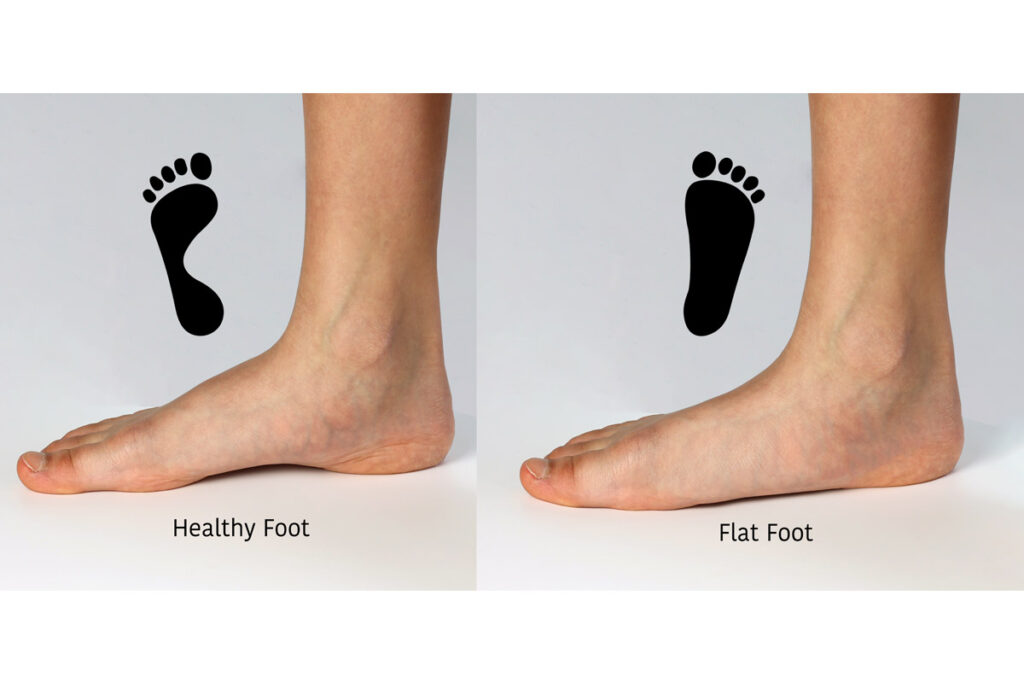
Both flat feet and high arches change how impact is absorbed. Flat feet allow the arch to collapse, while high arches limit natural shock absorption. Each pattern shifts pressure away from where it should be.
- Unsupportive Footwear
Shoes without proper structure fail to guide the foot through a stable stride. Thin soles and worn cushioning allow excessive movement with each step. As the foot adapts to this lack of support, poor alignment becomes reinforced. What starts as comfort often leads to long-term strain.
- Previous Injuries
Old foot or ankle injuries can quietly reshape how you move. Even after pain fades, altered movement patterns often remain. The body adjusts to protect itself, sometimes without awareness. These subtle changes can affect alignment for years.
- Prolonged Standing or Repetitive Movement
Long hours on your feet place continuous pressure on the same structures. Repetitive movement strengthens the same stress patterns day after day. Without variation or support, alignment slowly shifts. This is especially common in work environments.
How Poor Foot Alignment Affects the Rest of the Body
The feet act as the foundation for the entire body. When alignment is off at ground level, the effects travel upward. This chain reaction often explains pain that seems unrelated to the feet.
- Knee and Hip Discomfort
Misaligned feet change how the knees track during movement. This uneven motion places added strain on the hips and surrounding muscles. Over time, discomfort may appear during walking or prolonged sitting. Mobility can begin to feel limited.
- Lower Back Tension
Foot alignment influences pelvic position and spinal posture. Even small imbalances can create ongoing muscle tension in the lower back. The discomfort often feels dull and persistent rather than sharp. This makes it easy to overlook until stiffness becomes routine.
- Changes in Walking or Running Style
The body naturally adjusts to avoid instability. Stride length may shorten, or weight may shift to one side. These adaptations reduce efficiency and increase fatigue.
Simple Ways to Check Your Foot Alignment at Home
Early awareness helps prevent minor issues from becoming chronic. Simple at-home checks provide useful insight into how your feet function. While not diagnostic, they highlight patterns worth paying attention to.
- The Wet Foot Test
The wet foot test shows how much of your foot contacts the ground. A wide footprint often points to low arches, while a narrow print suggests higher arches. The results offer general guidance rather than firm conclusions. Professional input remains important.
- Standing Posture Check
Observing ankle position while standing can reveal inward or outward tilt. Knees that angle inward often relate to collapsing arches. Viewing posture from behind makes these signs easier to notice. Small shifts can signal larger alignment issues.
- Shoe Inspection Habit
Regularly checking the soles of your shoes helps identify wear patterns early. Uneven breakdown often appears before discomfort develops. This habit encourages timely shoe replacement. It also supports long-term foot health.
When to Seek Professional Assessment
Some signs require more than self-observation. Persistent or recurring symptoms often indicate deeper structural concerns. Early assessment helps avoid prolonged strain.
- Persistent Pain Despite Rest
Pain that lingers despite rest suggests an underlying alignment issue. Ignoring it allows compensations to become habitual. Early intervention often shortens recovery time. Addressing the cause matters more than masking discomfort.
- Repeated Injuries or Strain
Recurring sprains or soreness point to instability. These patterns rarely resolve on their own. Correcting alignment reduces repeat injury risk. Stability improves with proper support.
- Impact on Daily Activities
When standing or walking feels limited, quality of life is affected. Daily tasks should not feel demanding. Professional assessment helps restore confidence in movement. Early care prevents long-term restriction.
- Visible Changes in Foot or Ankle Position
Changes in foot alignment often show up visually before pain becomes hard to ignore. Ankles may start leaning inward, arches can look lower than they used to, or one foot may angle outward when standing still. Since these shifts happen slowly, they are easy to brush off as posture habits or age-related changes.
- Discomfort That Spreads Beyond the Feet
Foot alignment problems rarely stay limited to the feet. What begins as mild foot discomfort can slowly move into the calves, knees, hips, or lower back as the body adjusts for uneven support. Muscles and joints take on extra work to keep balance, often without relief.
How Custom Orthotics Support Better Foot Alignment
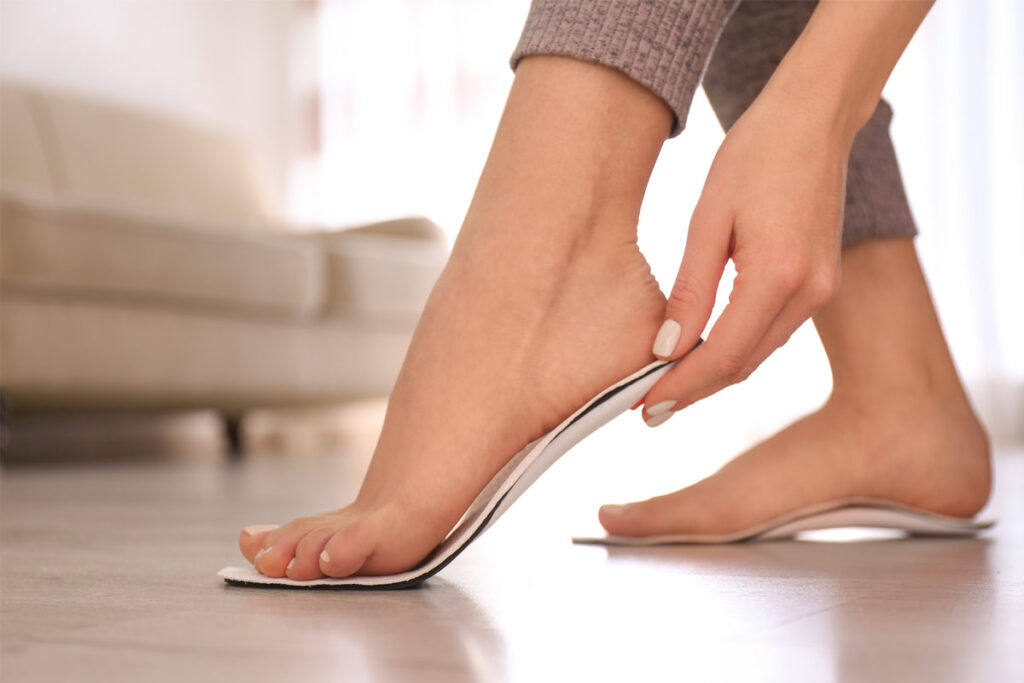
Custom orthotics provide support designed specifically for your feet. They help correct alignment, reduce pressure points, and make walking or standing more comfortable. By targeting your unique needs, they can prevent small problems from becoming chronic issues.
- Precise Arch Support
Custom orthotics are shaped to fit your arches perfectly, keeping them in a neutral position. This prevents your feet from rolling inward or outward too much. Proper arch support eases tension in the feet and reduces strain on knees and hips.
- Heel Stabilization
They cradle your heels to maintain natural alignment during every step. Stabilized heels reduce the impact your feet absorb when walking or running. This also helps prevent ankle instability and lowers the risk of recurring sprains.
- Pressure Distribution
Custom orthotics spread your body weight evenly across your feet. This minimizes high-pressure points that cause pain or calluses. Even weight distribution improves comfort and allows longer periods of standing or walking without fatigue.
- Posture and Balance Improvement
By correcting foot alignment, orthotics influence how the body carries weight from the ground up. Better alignment enhances overall posture and helps prevent back pain or hip discomfort. They also improve balance, making everyday movements feel smoother.
- Tailored for Your Lifestyle
Custom orthotics are made based on your foot shape, walking pattern, and activity level. This ensures they perform effectively whether you are exercising, working, or walking daily. Personalized support adapts to your life instead of forcing your body to adapt to generic inserts.
Wearing custom orthotics consistently allows your feet, ankles, and legs to work in proper alignment. Over time, they can prevent chronic pain, reduce fatigue, and improve overall mobility. For anyone dealing with foot discomfort or recurring alignment issues, they provide a reliable, long-term solution that feels natural with every step.
Move Better Every Day with Custom Orthotics in Whitby
Don’t let foot pain or poor alignment slow you down. PARC of Ontario provides thorough assessments and custom solutions that keep you moving comfortably every day. With custom orthotics in Whitby, you can correct alignment, relieve pressure, and regain confidence in every step. Call us today at (905) 579-9938 to schedule your appointment today and start walking with support designed just for you—because every step should feel effortless.