Stay Sure-Footed: Physiotherapy Advice to Prevent Winter Slips and Falls
Winter brings beauty, but the season also increases the possibility of dangerous accidents. Slippery pavements, obscured by snow and ice, or wet, tiled surfaces inside buildings, dramatically raise the chance of slipping. This time of year demands caution from everyone, particularly as we walk outdoors.
A momentary loss of footing can quickly lead to painful sprains, debilitating fractures, or more serious injuries that affect long-term independence and quality of life. Proactive fall prevention is essential during the colder months. Avoiding these accidents requires specific preparation. Physiotherapy provides focused strategies, including exercises and personal guidance, aimed at improving balance, increasing muscle strength, and enhancing overall stability to help you walk safely all winter long.
Understanding Why Winter is a Falling Hazard
The environment during winter presents unique challenges to our ability to stay upright. The combination of cold temperatures, unpredictable ground conditions, and changes in clothing and footwear all contribute to a heightened risk of falling. Understanding these factors helps us address the problem directly with physiotherapy strategies.
- Icy and Snowy Surfaces
Ice dramatically reduces friction between the ground and footwear. This low grip means that even a slight shift in weight or a change in walking speed can cause a slip. Snow often hides treacherous ice patches underneath, creating a false sense of security that leads to unexpected falls. Walking on ice is a skill that requires specific physical preparation.
- Changes in Footwear
Winter boots, while warmer, are often heavier and bulkier than regular shoes. This weight and rigidity can change a person’s natural gait (walking pattern), potentially reducing ankle flexibility and making it harder to correct a stumble quickly. Choosing boots with proper traction is only one part of the solution; the body must be prepared to handle the added bulk.
- Reduced Daylight and Visibility
Shorter daylight hours mean many people are commuting or exercising in dim light or darkness. Poor visibility makes it difficult to see subtle changes in ground elevation, such as minor steps, curbs, or areas where ice has formed. This poor visual awareness compromises the body’s reaction time to trip hazards.
- The Effects of Cold on the Body
Cold air can stiffen muscles and joints, decreasing their mobility and speed of reaction. Individuals may walk with a hunched posture or shiver, which further disrupts natural postural control and balance mechanisms. This general muscle stiffness slows down the protective reflexes needed to catch oneself during a slip.
- Hurrying and Distraction
The urge to rush inside out of the cold, or being preoccupied with conversation and mobile devices, significantly increases fall risk. When people rush, their attention is diverted from the immediate ground conditions, preventing them from taking the small, careful steps needed on slippery winter walkways.
- Inadequate Property Maintenance
In Canada, the responsibility for clearing snow and ice varies. Even well-maintained areas can suddenly change due to thawing and refreezing cycles. People often encounter uneven terrain or poorly shovelled areas, requiring sudden, stressful adjustments to their balance that can lead to unstable walking.
Physiotherapy Key Areas of Focus
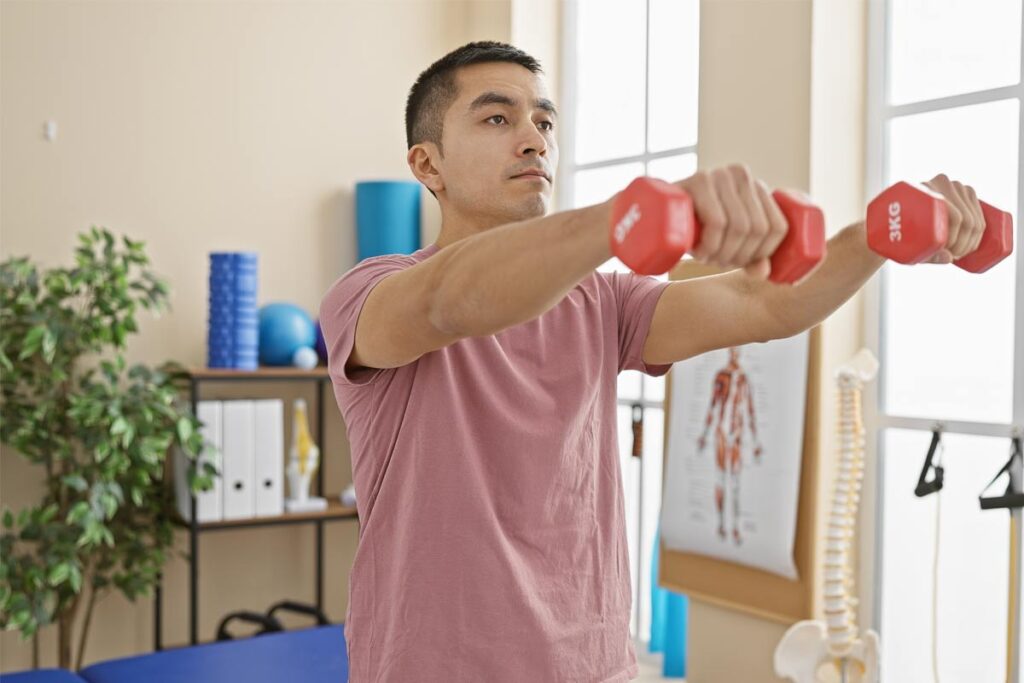
Physiotherapy is a highly effective tool for fall prevention by targeting the physical systems responsible for staying upright. These targeted areas create a more resilient and responsive body, crucial for safe winter movement.
- Improving Balance and Proprioception
Balance training involves exercises that challenge your equilibrium. Proprioception is the body’s internal awareness of where its limbs are in space, a sense often dulled by cold or thick boots. Physiotherapy drills, such as standing on one leg or using unstable surfaces, sharpen these senses, allowing for rapid postural adjustments when a slip begins.
- Strengthening Lower Body Muscles
Strong muscles in the legs, hips, and core provide the foundation for stability. The gluteal (hip) muscles and quadriceps are particularly important for correcting a loss of balance and providing the power needed for careful walking. Dedicated strength training exercises, tailored by a physiotherapist, build the reserve power needed to catch a potentially dangerous slip.
- Enhancing Gait and Walking Pattern
A physiotherapist analyses how an individual walks and offers precise corrections. During winter, a cautious, flat-footed gait with smaller steps—often called “shuffling”—is safer. Physiotherapy helps clients practice this safer walking technique and ensures the foot rolls properly, distributing weight effectively and reducing the chance of a misstep on ice.
- Increasing Joint Flexibility and Range of Motion
Flexible ankles, knees, and hips allow the body to absorb shock and react more quickly to sudden changes in the walking surface. Stiff joints decrease the body’s ability to use its full range of motion, making a person more rigid and easily tipped over. Targeted flexibility exercises help maintain the agility required for responsive movement.
- Building Core Stability
The core muscles (abdominals, back muscles, and diaphragm) act as the body’s control centre, keeping the trunk stable while the arms and legs move. A strong core is vital for maintaining an upright posture and preventing forward or backward falls. Physiotherapy includes specific core exercises to improve trunk control and contribute to general stability.
Practical Physiotherapy Tips for Navigating the Outdoors
Applying specific strategies, grounded in physiotherapy principles, can drastically reduce the chance of winter falling incidents. These are actions that must be consciously adopted as part of a safe winter walking routine.
- Adopt the Penguin Walk Technique
This method involves slightly bending the knees and taking small, flat-footed steps. When walking, keep your centre of gravity directly over your front foot, similar to how a penguin walks. This technique maximizes the contact area between your boot and the ground, significantly improving traction on slippery paths.
- Wear Appropriate Footwear
Choose boots with wide, low heels and thick, non-slip rubber soles. The tread pattern should be deep and provide multiple edges to grip the surface. Consider adding slip-on traction aids (like ice cleats or spikes) to your boots for conditions when ice is unavoidable, offering mechanical assistance for grip.
- Manage External Aids Safely
If you use a cane or walker, ensure the rubber tips are in good condition and are designed for winter use. Some devices offer retractable ice picks for extra grip. Remember to adjust your walking aid height if you are wearing different soles, ensuring proper posture and support as you move.
- Utilize Support Whenever Possible
When moving across icy patches, look for handrails, walls, or even a companion’s arm to offer physical support. Carrying shopping bags or heavy items can shift your centre of gravity, making you less stable. Distribute weight evenly and try to keep your hands free to break a fall if necessary.
- Plan and Pacing Your Journey
Allocate extra time for walking during winter to eliminate the feeling of needing to rush. Stick to paths that have been visibly cleared and salted, even if it adds extra distance. Always assume a path is slippery, even if it looks dry, forcing a slower, more deliberate pace and increasing walking awareness.
- Be Aware of Indoors Hazards
Many winter falls happen just after coming inside due to wet footwear on smooth surfaces like marble, linoleum, or polished wood. Always wipe your feet thoroughly on mats, and be cautious walking on wet tiled floors. Removing wet outer layers promptly also prevents slipping on puddles from melting snow.
- Incorporate Regular Movement Breaks
If you must stand outside for a long time (e.g., waiting for transit), gently shift your weight and perform simple ankle mobility exercises. This maintains blood flow and keeps muscles warm and reactive. Avoiding prolonged stillness helps prevent the stiffness that compromises quick, protective reactions.
When to See a Physiotherapist
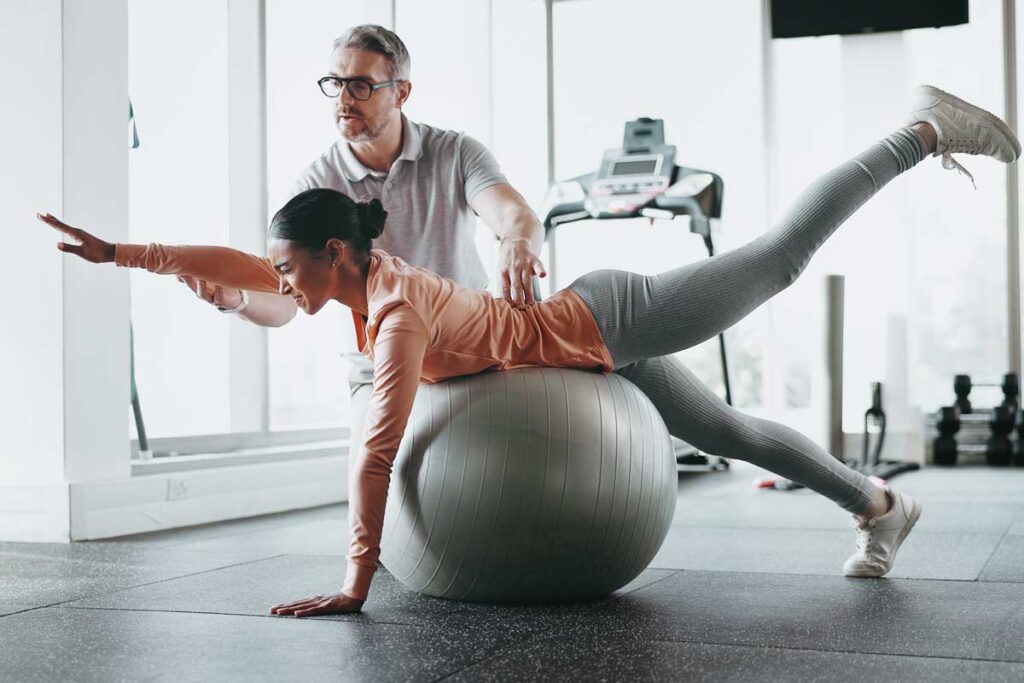
While general advice is helpful, a physiotherapist offers a personalized, detailed assessment that generic guidelines cannot provide. Seeking their assistance is a proactive step in managing personal fall risk, especially for those who already feel unsteady on their feet.
- Following a Previous Fall
Even if an old fall did not result in a fracture, it can still create a fear of falling (also called “fallophobia”), leading to less activity and further muscle weakening. A physiotherapist can assess any resulting imbalances, restore confidence, and provide a rehabilitation program to regain physical function.
- If You Have Chronic Health Conditions
Conditions such as diabetes, arthritis, Parkinson’s disease, or inner ear issues can affect sensation, strength, and balance. Physiotherapy can help manage the physical effects of chronic illness through targeted exercise, improving overall physical resilience against the external challenges of winter.
- Experiencing Loss of Balance
If you occasionally feel dizzy, stumble easily, or feel the need to frequently hold onto furniture or walls while walking, these are crucial warning signs. A physiotherapist can conduct formal balance assessments, identify the specific physical deficit, and create a precise balance training protocol.
- Concern Over Footwear and Gait
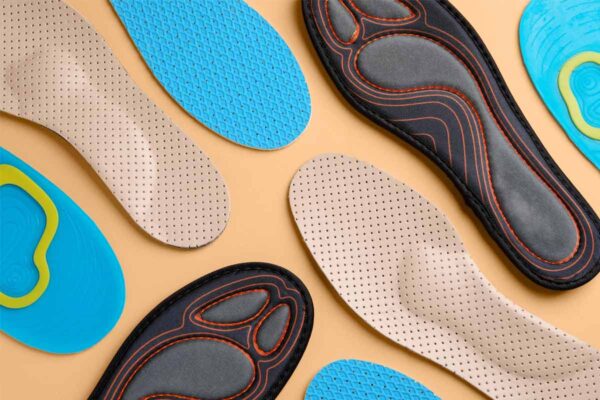
If you are unsure whether your current walking style or winter boots are safe, a physiotherapist can offer a professional gait analysis. They can recommend changes to your walking pattern and, in some cases, suggest specific modifications or orthotic devices to improve foot stability and comfort.
- Seeking Proactive Screening
Individuals, especially those aged 65 and older, who want to ensure they are physically ready for winter should consider a preventative check-up. The Public Health Agency of Canada states that falls are the leading cause of injury-related hospitalization among older adults. A proactive screening session helps to measure baseline strength and stability and implement a preventative exercise regime.
- Managing Post-Surgical Recovery
Those recovering from hip or knee replacement surgery, or any procedure that affects mobility, need careful guidance, especially on ice. Physiotherapists ensure that the recovery process continues safely, providing exercises that specifically prepare the new joint for the variable ground surfaces encountered outdoors.
- For Custom Exercise Programs
A tailored program is always more effective than generic exercises. A physiotherapist will consider your personal fitness level, medical history, and specific daily activities to create a unique strengthening and conditioning routine that precisely meets your winter safety needs.
Preparing your body for the physical demands of winter is a powerful form of injury prevention. The advice provided here, from altering your gait to strengthening key muscle groups, is firmly rooted in the principles of physiotherapy. By actively working on balance, strength, and flexibility, you are establishing a robust personal defence against the common, yet dangerous, winter slip. Taking personal responsibility for your winter walking safety reduces the burden on emergency services and, most importantly, protects your own health and independence. Do not wait for a fall to begin your prevention strategy.
For comprehensive physiotherapy services focusing on mobility and stability in Ontario, consider reaching out to PARC Ontario. You can contact our various locations to schedule a consultation at (416) 445-2075 or (416) 430-0314 [Scarborough], (905) 897-2092 [Mississauga], (905) 686-9081 [Ajax], (905) 430-2112 [Whitby], and (905) 579-9938 [Oshawa]. Take this essential step towards a safer, more active winter.