10 Everyday Habits That Pair Well with Massage Therapy
Massage therapy is well-known for easing pain, lowering stress, and improving circulation, but its benefits don’t stop there. Many people notice that the relief they feel after a session fades quickly when daily routines don’t support it.
The truth is, massage therapy works best when combined with small, consistent habits that care for your body and mind. Adding simple practices into your everyday life can make each massage more effective and longer-lasting.

Building Lasting Benefits from Massage Therapy with Good Habits
Healthy routines can extend the benefits of your massage beyond the session itself. These habits support muscle recovery, improve circulation, and ease stress. Here are ten simple practices you can add to your daily life to make the most of massage therapy.
1. Stay Hydrated
Water plays an important role in helping your body recover after massage therapy. Since massage boosts circulation and lymphatic flow, proper hydration helps flush out waste products from your muscles. Staying hydrated also prevents post-massage soreness and keeps tissues flexible. Aim to drink water steadily throughout the day, not just before or after a session.
2. Stretch Daily
Stretching is a simple way to keep muscles loose between massage sessions. When you stretch gently every day, your muscles remain more flexible and less prone to stiffness. It also improves blood flow, which works well with the increased circulation from massage. Even just 5–10 minutes of light stretches can help maintain comfort and mobility.
3. Maintain Good Posture
Poor posture can undo the progress made during a massage session. Sitting hunched at a desk or slouching on the couch adds constant stress to your muscles. By correcting your posture, you allow the body to stay aligned and reduce recurring pain. Combined with massage, this habit helps you move with greater ease and less strain.
4. Get Regular Sleep
Sleep is when the body repairs itself. If you don’t get enough rest, your muscles stay tense and recovery is delayed. Massage therapy can improve sleep patterns, but you need to support it by sticking to a consistent bedtime. With good sleep, your body gets the chance to heal and hold on to the relief you feel after a massage.
5. Practice Mindful Breathing
Deep breathing helps relax the nervous system and calm your mind. When done regularly, it improves oxygen delivery to the muscles, which makes recovery smoother. Pairing breathing exercises with massage enhances relaxation and lowers stress levels. You can practice slow, deep breaths for a few minutes each morning or before sleep to keep tension under control.
6. Eat Nutritious Foods
A balanced diet is key to supporting muscle recovery. Foods rich in protein, magnesium, and omega-3s give your body what it needs to repair and strengthen tissues. Eating fresh vegetables, whole grains, and lean proteins can make a noticeable difference in how your body responds to massage. Over time, better nutrition works hand in hand with massage therapy to boost energy and reduce inflammation.
7. Stay Physically Active
Light daily activity like walking, yoga, or swimming keeps your body in motion and prevents stiffness. Being active also promotes circulation, which helps massage results last longer. If you sit for most of the day, regular movement is especially helpful to counteract muscle tightness. Massage therapy then works as a recovery tool, easing soreness and keeping your body balanced.
8. Manage Stress Through Relaxation Practices
Stress often shows up in the form of tight muscles and fatigue. Techniques like meditation, journaling, or quiet reflection can lower stress and calm your mind. When combined with massage, these habits allow your body to stay relaxed for longer. Over time, stress management prevents tension from building up in the first place, making each massage session more effective.
9. Limit Screen Time
Spending long hours on screens creates strain in the neck, back, and shoulders. This constant tension can return quickly even after a massage. By limiting screen time or taking breaks to stretch, you reduce the pressure placed on your body. When you balance massage with better screen habits, you give your muscles a chance to stay relaxed for longer periods.
10.Schedule Consistent Massage Sessions
One massage provides relief, but regular sessions bring lasting results. When you schedule massages consistently, your body adapts and holds on to the benefits longer. Over time, regular treatments can reduce chronic pain, improve posture, and lower stress. Building a routine with your therapist ensures steady progress toward better overall health.
How These Habits Reinforce Each Other
These habits may seem small when viewed individually, but together they create a strong foundation for health. Drinking enough water keeps muscles hydrated, while nutritious food provides the fuel your body needs for repair. Adequate sleep gives your body time to heal, making it easier for massage therapy to release tightness and restore balance.
Physical practices such as stretching, posture awareness, and light exercise complement massage by reducing daily strain. These routines keep your muscles active and flexible, so your massage sessions work on areas that are already supported. At the same time, breathing exercises and stress management calm your nervous system, allowing your body to stay relaxed long after the massage ends.
When all of these habits align with massage therapy, the benefits multiply. You don’t need to apply them perfectly—what matters is steady practice that fits into your daily life. Over time, these consistent choices make each massage more effective, leaving you with lasting comfort, better mobility, and an overall sense of well-being.
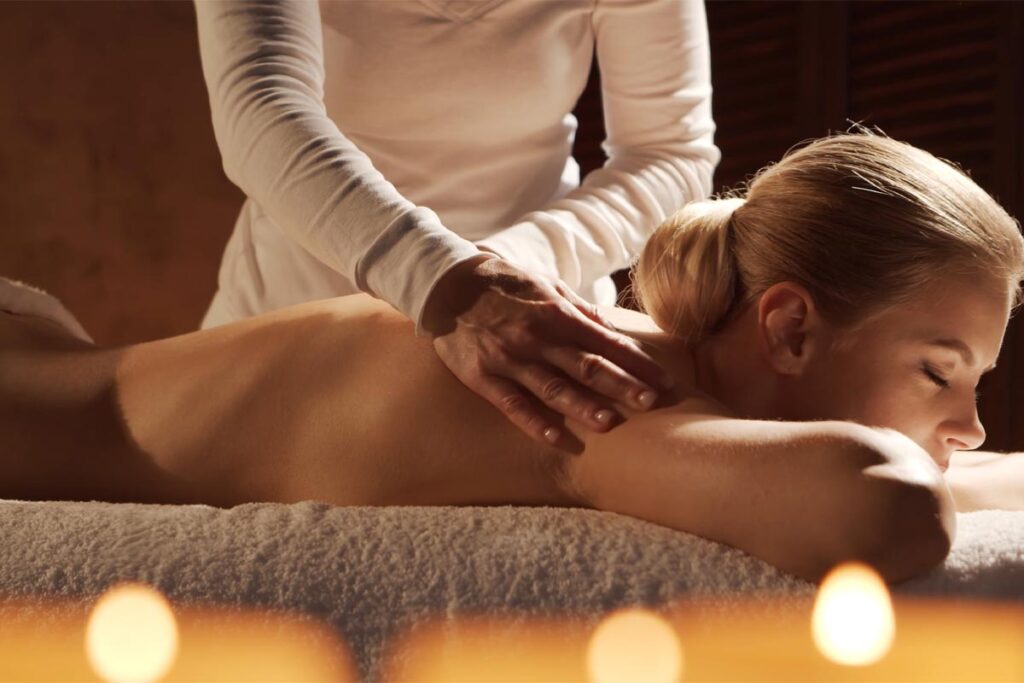
Boost Your Health with Massage Therapy in Oshawa at PARC of Ontario
If you’re ready to make your health a priority, PARC of Ontario is here to help with professional massage therapy in Oshawa. Our therapists create personalized treatments that fit your needs and work hand in hand with the healthy habits you’re building at home. Every session is designed to ease pain, reduce stress, and leave you feeling renewed.
Call us today at (905) 579-9938 to learn more about our massage therapy services and how they can support your routine. With the right care and consistent habits, you’ll experience lasting benefits that go beyond relaxation.
Frequently Asked Questions (FAQs)
- Is it normal to feel sore after a massage?
Mild soreness can occur, especially after a deep tissue massage. This is usually temporary and should fade within 24–48 hours. Staying hydrated and stretching gently can reduce discomfort.
- Is massage therapy suitable for older adults?
Massage is generally safe for older adults when adapted to their comfort level. Techniques may focus on gentle pressure to avoid discomfort or bruising. It can help with flexibility, circulation, and stress management.
- Are there any foods to avoid before a massage?
It’s best to avoid heavy meals immediately before a session. Large amounts of caffeine or alcohol may interfere with relaxation. Light snacks and water are generally safe before treatment.