Acupuncture Points Explained: What They Do and Why They Matter
Acupuncture has been used for thousands of years to enhance both physical and mental health. By stimulating specific points on the body, known as acupuncture points, it helps restore balance and supports the body’s natural healing processes. Each point has a unique role, influencing energy flow, organ function, and overall wellbeing. Learning how these points work reveals why acupuncture continues to be a trusted method for managing pain, stress, and promoting long-term wellness.
Acupuncture and Its Connection to Energy Flow
Acupuncture is a traditional healing method that focuses on energy pathways in the body, called meridians. Stimulating specific acupuncture points helps unblock energy and improves circulation. These points act as gateways to support the body’s natural healing process.
Acupuncture points are identified based on their location along meridians. Each point corresponds to different organs or systems in the body. By applying pressure or inserting fine needles at these points, practitioners aim to relieve pain, reduce stress, and improve overall function.
The connection between acupuncture and health is not only physical but also mental. Patients often report feeling calmer, more relaxed, and less fatigued after treatment. This is because acupuncture encourages the body to regulate its internal systems efficiently.
Why Acupuncture Points Matter in Healing
Acupuncture points are crucial because they directly influence how the body responds to treatment. Stimulating these points can calm the nervous system, improve blood flow, and enhance energy balance.
Research published in ScienceDirect explores the neurobiological mechanisms of acupuncture, suggesting that it can modulate pain perception and enhance the body’s natural healing processes. This makes acupuncture an effective option for addressing pain, stress, and other conditions.
Precise selection of points is essential for effective results. Practitioners choose points based on the patient’s symptoms and overall health. Using the wrong points or techniques may reduce benefits, which is why trained professionals are necessary.
Acupuncture points also help support long-term wellness. Regular treatment can prevent certain health issues and maintain the body’s natural equilibrium. This makes acupuncture a proactive approach to healthcare rather than just a reactive one.
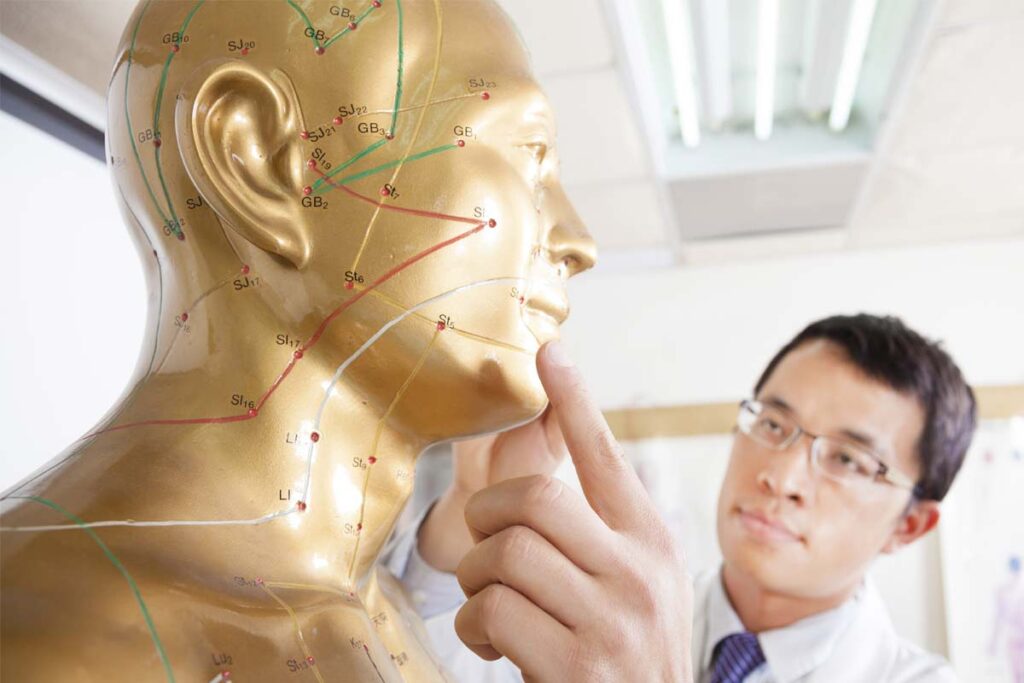
5 Key Acupuncture Points Explained
Acupuncture points each serve a specific purpose, targeting different areas of the body or types of discomfort. Knowing the main points and what they do can help people understand why acupuncture works. Below are some key points commonly used in practice.
1.LI4 (Hegu): Hand Valley Point
LI4 is located between the thumb and index finger. It is commonly used to relieve headaches, toothaches, and tension in the body. Stimulating this point can also help reduce stress and promote overall relaxation.
2. ST36 (Zusanli): Leg Three Miles
ST36 is found just below the knee on the outer leg. It boosts immunity, supports digestion, and increases overall energy. Regular stimulation of this point is known to enhance stamina and help the body recover from fatigue.
3. SP6 (Sanyinjiao): Three Yin Intersection
SP6 is located on the inner leg above the ankle. It helps regulate hormonal balance, improve sleep quality, and support reproductive health. Many women find this point beneficial for menstrual discomfort and maintaining overall wellness.
4. LV3 (Taichong): Great Surge
LV3 is on the top of the foot, between the big toe and second toe. It helps ease stress, improves emotional balance, and supports liver function. This point is also used to relieve headaches and muscle tension in certain cases.
5. PC6 (Neiguan): Inner Gate
You can locate PC6 on the inner forearm, roughly three finger-widths above the wrist crease. It is effective in reducing nausea, easing anxiety, and supporting heart health. People often use this point to manage morning sickness or motion sickness.
Additional points can be added depending on specific needs. Each point is carefully chosen by the practitioner to maximize the therapeutic effect. Combining points strategically can enhance the benefits of acupuncture sessions.
How Acupuncture Points Are Used in Practice
Acupuncture treatment begins with a detailed assessment of the patient’s condition. Practitioners select points that address the symptoms and overall health goals. This approach ensures a targeted and effective treatment plan.
Points are often combined in treatment sessions for better results. For example, points for stress relief may be paired with points that improve digestion. This method allows acupuncture to address multiple issues simultaneously.
Safety is also a priority when using acupuncture points. Only trained professionals should perform acupuncture to avoid injury or complications. Patients are advised to communicate any health concerns before starting treatment.
Frequently Asked Questions
1. How often should I get acupuncture for best results?
Frequency depends on your condition; acute issues may require multiple sessions per week, while chronic conditions may need weekly visits. Your practitioner will design a plan tailored to your needs.
2. Is acupuncture covered by insurance?
Coverage varies by insurance provider and plan. Many health plans partially cover acupuncture under alternative or complementary therapy benefits.
3. How do I know which acupuncture points are right for me?
A trained practitioner evaluates your symptoms and health history to select the appropriate points. Treatment is personalized to your specific needs.

Experience the Benefits of Acupuncture in Oshawa with PARC of Ontario
We at PARC of Ontario help you feel better with acupuncture in Oshawa by focusing on the points that target your specific needs. Our approach aims to relieve pain, reduce stress, and improve overall balance in your body. By working with us, you can experience greater energy, better sleep, and improved daily comfort. Call now at (905) 579-9938 to schedule a session and see how acupuncture can make a meaningful difference in your health and wellness.