When and Why Your Child Might Need Custom Orthotics
Watching your child run, play, and explore is a joy, filled with boundless energy. But what happens if you start noticing something a little off about their feet or how they walk? It’s natural to feel worried when your child experiences discomfort or developmental concerns.
To ensure healthy foot development, parents must be aware of the common signs indicating a child might benefits from custom orthotics and how these devices can help prevent future injuries.
Is Your Child’s Foot Development on Track?
A child’s feet are constantly evolving, much like the rest of their body. It’s important to understand this natural progression to recognize when professional help might be needed. Initially, babies and toddlers will have feet that appear quite flat, which is completely normal. This is because the arch hasn’t fully formed yet, and their feet are primarily made of soft cartilage. As they begin to stand and walk, the arch usually starts to develop around the age of two or three. During these early years, allowing children ample time barefoot is crucial, as it strengthens the foot muscles and encourages natural development.
As children reach school age, their arches should become more defined, and their walking pattern should grow more stable and refined. While some variations, like mild toe-walking in toddlers, can be temporary, persistent or pronounced differences warrant attention. Proper foot alignment during these formative years is vital because it directly impacts the alignment of the knees, hips, and even overall posture, establishing the foundation for lifelong health and mobility.
Key Signs Your Child Might Need Custom Orthotics
Recognizing the subtle cues your child’s body provides can make a significant difference in their foot health and overall comfort. Observing persistent symptoms or unusual walking patterns can be the first step toward getting them the support they need. Here are some key indicators that your child might benefit from custom orthotics.
1.Persistent Pain or Discomfort
If your child frequently complains of pain or shows signs of discomfort in their lower limbs, it’s a significant red flag. While “growing pains” are common, consistent and localized pain might point to an underlying issue.
- Foot Pain – Pay attention if your child consistently complains about pain in their arch, heel, or the ball of their foot, especially after physical activity. Conditions like Sever’s Disease, a common cause of heel pain in active, growing children, involve inflammation of the growth plate in the heel and often respond well to orthotic support. Plantar fasciitis, though less common in children than adults, can also cause arch or heel pain.
- Leg Pain – Recurring shin splints or “growing pains” that are localized to the shins or calves and don’t resolve with rest might suggest poor foot mechanics contributing to leg strain.
- Knee/Hip Pain – Foot misalignment can lead to a chain reaction of issues higher up the kinetic chain. If your child experiences pain radiating to their knees or hips, particularly during or after movement, their feet might be the root cause.
2. Observable Gait Abnormalities
How your child walks can reveal a lot about their foot health. Any noticeable or unusual patterns in their gait should prompt further investigation.
- Excessive Pronation (“Flat Feet”) – Many young children have flat feet, but if their ankles roll excessively inward when they stand or walk, and the arch appears to collapse, this is known as excessive pronation.
- Toe Walking – While common in toddlers learning to walk, if your child continues to consistently walk on their toes past the age of two or three, or if it’s very pronounced, it could indicate underlying muscle tightness or neurological factors that custom orthotics might address by encouraging a heel-to-toe gait.
- In-toeing or Out-toeing – If your child’s feet turn significantly inward (“pigeon-toed“) or outward when they walk, and it causes frequent tripping or seems to affect their balance, custom orthotics can help guide their foot alignment.
- Limping – Unexplained or consistent limping, especially without a clear injury, is a clear signal that something is amiss with their foot or leg function.
- Uneven Wear Patterns on Shoes – Take a look at the soles of your child’s shoes. If one side wears down much faster than the other, particularly on the inner or outer edge, it suggests uneven weight distribution and poor foot mechanics.
3. Structural or Positional Issues
Sometimes, the signs are visible even when your child isn’t moving. These structural changes can indicate a need for intervention.
- Bunions or Hammertoes – While often associated with adults, early signs of bunions (a bony bump at the base of the big toe) or hammertoes (a toe bending abnormally at the middle joint) can emerge in childhood, and custom orthotics can help manage progression and reduce discomfort.
- Calluses/Blisters – Persistent calluses or blisters in unusual or specific areas of the foot, especially where there isn’t obvious friction from shoes, can point to areas of abnormal pressure distribution that orthotics could correct.
- Leg Length Discrepancy – In some cases, children may have a slight difference in leg length. Custom orthotics can be modified with a lift to help compensate for this difference, improving balance and reducing strain on the spine and joints.
4. Activity Limitations
An active child suddenly becoming less engaged in physical activities might be communicating discomfort or difficulty.
- Child Avoids Physical Activity – If your child, who was once enthusiastic about running and playing, now avoids physical activity or tires easily, it could be due to foot discomfort or fatigue caused by inefficient movement.
- Complains of Pain After Sports or Prolonged Walking – Post-activity pain is a strong indicator that their feet aren’t properly supported during movement. This can impact their participation in sports and social activities.
- Fatigue Disproportionate to Activity Level – If your child seems unusually tired after what should be normal levels of activity, their feet might be working harder than they should to maintain balance and movement.
Why Custom Orthotics are Beneficial for Children
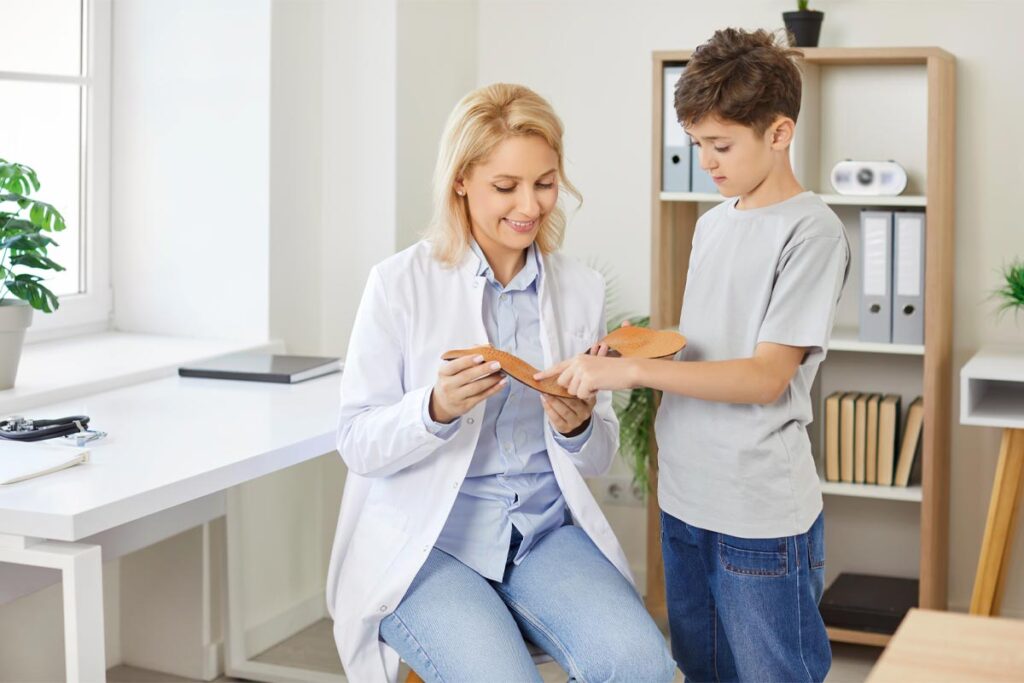
Custom orthotics are more than just shoe inserts; they are precision-crafted medical devices designed to interact with a child’s unique foot structure. Their benefits extend far beyond immediate pain relief, playing a crucial role in long-term foot health and overall well-being. By providing targeted support, these devices can guide proper development, reduce strain, and prevent a host of future complications.
- Provide Support and Alignment
Custom orthotics are designed to gently guide a child’s foot into a more optimal position. They act as a supportive foundation, helping to reduce overpronation or supination, which are common issues in developing feet. This precise alignment can encourage the natural formation of a proper arch where one is lacking, or stabilize an existing arch, minimizing excessive motion and stress on the joints and ligaments throughout the foot and ankle.
- Alleviate Pain and Discomfort
One of the most immediate benefits is pain relief. For conditions like Sever’s Disease (heel pain common in growing athletes) or general arch discomfort, orthotics redistribute pressure, absorb shock, and reduce the strain on irritated tissues. By addressing the biomechanical root of the pain, they allow children to move more comfortably, promoting greater participation in daily activities and sports without suffering.
- Improve Gait and Balance
When a child’s feet are properly aligned, their entire walking and running pattern becomes more efficient. Custom orthotics can significantly improve a child’s stability and coordination, reducing instances of tripping or clumsiness. This enhanced balance not only boosts their confidence but also promotes a smoother, more natural gait, which is fundamental for overall physical development.
- Prevent Future Problems
Perhaps the most significant long-term benefit of custom orthotics for children is their preventative power. By addressing foot issues early, before bones fully mature, orthotics can help prevent minor misalignments from escalating into chronic adult conditions. This proactive approach can safeguard against issues like knee arthritis, hip problems, or chronic back pain that can stem from years of poor foot mechanics, thus encouraging a lifetime of active participation and a healthier lifestyle.
- Promote Overall Postural Health
The feet are the foundation of the body. When a child’s feet are properly supported and aligned by custom orthotics, it positively influences the entire kinetic chain. This means better alignment in the ankles, knees, hips, and even the spine, leading to improved posture. A strong, balanced foundation from the feet up can contribute to better overall body mechanics and reduce the risk of musculoskeletal issues as they grow.
Take Action for Your Child’s Foot Health with PARC of Ontario
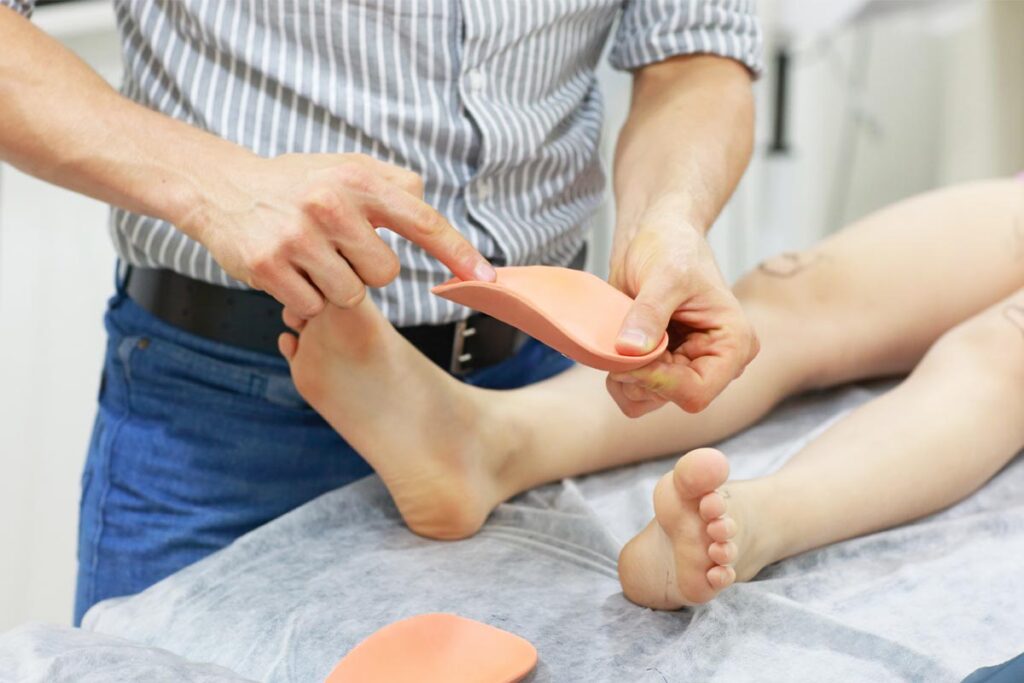
If you’ve noticed any of the signs discussed in this guide in your child, don’t wait to seek professional help. Early intervention can make a world of difference in your child’s comfort, mobility, and long-term well-being. Supporting healthy foot development now can prevent more significant issues down the road.
Give your child the gift of healthy, happy feet. Call us today at (647) 352-1100 to schedule a comprehensive consultation with the experienced team at PARC of Ontario today. We provide top-tier custom orthotics in Scarborough families trust. Invest in your child’s future, starting from the ground up!