How Acupuncture Helps Manage Menopausal Symptoms Naturally
Are hot flashes, restless nights, and mood swings taking a toll on your life? You’re not alone. While menopause is a natural transition, its disruptive symptoms don’t have to control your well-being. Acupuncture, a time-tested natural therapy, offers a powerful and holistic way to manage these changes.
Discover how acupuncture, a Traditional Chinese Medicine (TCM), works to naturally balance your body and alleviate common menopausal symptoms.
Menopause and Its Impact on Women’s Health
Menopause marks a significant biological shift in a woman’s life, signaling the end of her reproductive years. This natural transition, primarily characterized by declining estrogen and progesterone levels, often brings a cascade of challenging symptoms that can disrupt daily life. From pervasive hot flashes to emotional rollercoasters and fragmented sleep, these changes can significantly impact a woman’s quality of life.
Here are the most prevalent symptoms:
- Hot flashes and night sweats
- Mood swings
- Irritability
- Anxiety and depression
- Sleep disturbances or insomnia
- Persistent fatigue
- Vaginal dryness
- Joint pain
- Brain fog
- Changes in sex drive
While conventional treatments like Hormone Replacement Therapy (HRT) exist, concerns about potential side effects or contraindications often lead women to seek natural, gentler alternatives.
The Philosophy Behind Acupuncture and Menopause
Acupuncture’s approach to menopause is deeply rooted in the principles of Traditional Chinese Medicine (TCM), offering a unique perspective on this natural life phase. In TCM, menopause is often seen as a decline in the body’s fundamental “Yin” energy, which represents cooling, moistening, and nourishing qualities. This reduction in Yin can lead to a relative excess of “Yang” energy, associated with heat and activity, thereby causing hallmark symptoms like hot flashes and night sweats.
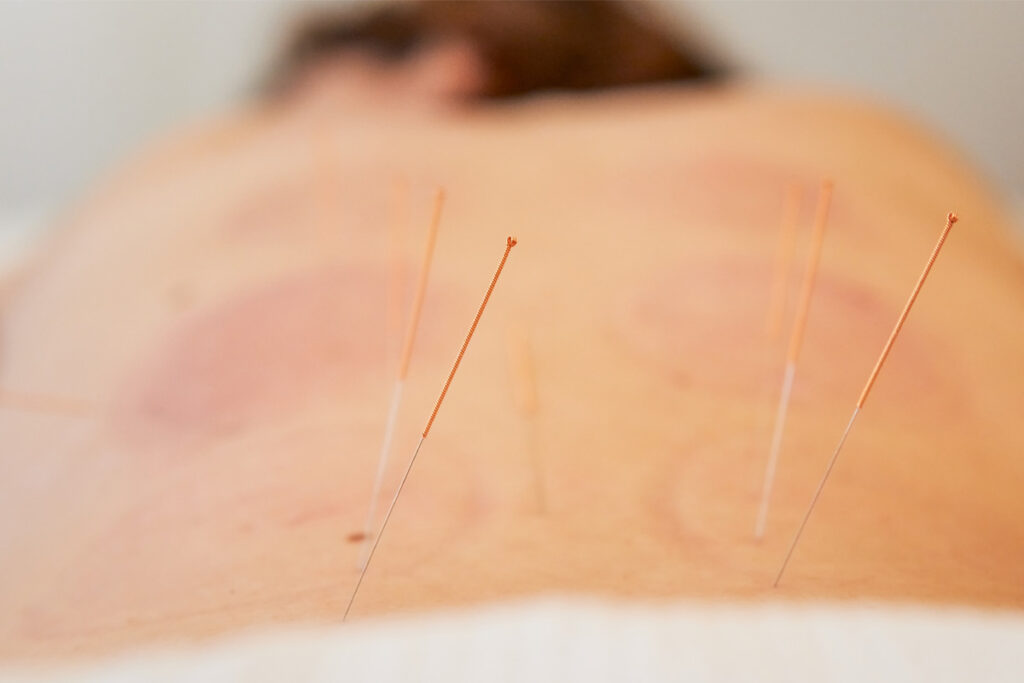
The concept of Kidney Essence is central to this understanding; it’s considered the foundational energy responsible for growth, reproduction, and aging. As women age, a natural decline in Kidney Essence occurs, contributing to the menopausal transition. Additionally, other imbalances, such as Liver Qi stagnation, can manifest as irritability and frustration, while Spleen Qi deficiency might present as overwhelming fatigue. Acupuncture works by precisely inserting fine needles into specific points along the body’s meridians, or energy pathways. This process aims to restore the harmonious flow of Qi (vital energy) and rebalance Yin and Yang, addressing the underlying root causes of menopausal symptoms rather than merely suppressing them.
How Acupuncture Specifically Helps Manage Key Menopausal Symptoms
Acupuncture offers targeted relief for the diverse array of symptoms that arise during menopause, working to restore the body’s natural equilibrium. By addressing the specific energetic imbalances associated with each symptom, acupuncture provides a holistic pathway to alleviate discomfort and improve overall well-being.
- Hot Flashes & Night Sweats
Acupuncture helps to rebalance Yin and Yang, effectively cooling internal heat and calming the sympathetic nervous system, which often goes into overdrive during hot flashes. Common acupoints like Kidney 3, Spleen 6, Liver 3, Gallbladder 20, and Large Intestine 4 are frequently used to achieve this cooling effect and restore harmony. Patients typically report a noticeable reduction in both the frequency and intensity of these disruptive episodes, allowing for greater comfort day and night.
- Mood Swings, Anxiety & Depression
For emotional symptoms, acupuncture focuses on calming the Shen (spirit) and regulating neurotransmitters within the brain. This helps to reduce the physiological stress response, which in turn can lower levels of stress hormones like cortisol. Acupoints such as Heart 7, Pericardium 6, Governing Vessel 20, and Spleen 6 are often chosen to promote emotional stability and diminish feelings of irritability, anxiety, and sadness.
- Sleep Disturbances (Insomnia)
Acupuncture effectively addresses sleep issues by anchoring the Shen and balancing the body’s internal rhythms, thereby promoting profound relaxation. Points like Heart 7, Spleen 6, Kidney 6, and Anmian (a specific point for insomnia) are commonly utilized to help guide the body into a state conducive to rest. The goal is to facilitate deeper, more restorative sleep, allowing women to wake feeling refreshed.
- Fatigue & Low Energy
To combat persistent fatigue, acupuncture aims to strengthen Qi and nourish the Blood, while also supporting the vital functions of the Spleen and Kidney systems, which are central to energy production in TCM. Acupoints such as Stomach 36, Spleen 6, Ren 6, and Ren 4 are frequently stimulated to boost the body’s inherent energy reserves. This comprehensive approach results in increased vitality and stamina, helping women regain their zest for life.
- Other Symptoms
Beyond these primary complaints, acupuncture also provides relief for other bothersome menopausal symptoms. For vaginal dryness, it works by nourishing Yin and improving local blood flow to restore comfort. When it comes to joint pain, acupuncture effectively moves Qi and Blood, which helps reduce inflammation and alleviate discomfort in the joints. Finally, for brain fog and memory issues, acupuncture helps to improve mental clarity by harmonizing the body’s internal systems, promoting sharper focus and cognitive function.
Combining Acupuncture with Massage Therapy
Combining acupuncture with massage therapy offers a powerful, synergistic approach to managing menopausal symptoms, enhancing the body’s natural healing capabilities. These two holistic practices complement each other by addressing both energetic imbalances and physical tension, leading to more comprehensive relief during this transitional phase. Acupuncture focuses on regulating Qi and blood flow through specific meridian points, tackling the root causes of internal imbalances like hot flashes and mood swings from an energetic perspective.
In contrast, massage therapy provides direct physical relief by releasing muscle tension, boosting circulation, and fostering deep relaxation. This combination creates a potent healing environment: acupuncture calms the nervous system and rebalances hormones, while massage deepens relaxation and helps remove metabolic waste. Together, they can significantly reduce stress, improve sleep quality, and decrease the intensity of various menopausal symptoms, ultimately promoting greater comfort and vitality.

Embrace a Comfortable Menopausal Journey with Acupuncture Oshawa
Embrace the natural relief that acupuncture provides and take control of your well-being today. PARC of Ontario is your dedicated partner for holistic health, ready to guide you through a smoother menopausal transition.
Learn how our experienced practitioners can craft a personalized treatment plan designed to effectively manage your symptoms. Don’t wait to feel better. Call us now at (905) 579-9938 to book your consultation for acupuncture in Oshawa.