Understanding Kids’ Foot Health in Scarborough: When to Consider Orthotics
In Scarborough, parents juggle raising healthy children, often overlooking the vital aspect of foot health. Children’s foot health serves as a testament to their overall well-being, as it influences their ability to discover and explore the world around them. Understanding when to consider orthotics for your child is essential for ensuring their comfort and mobility.
Understanding Kids’ Foot Development
Understanding children’s foot development is crucial for parents to identify potential issues early on. As kids discover the world around them, their feet serve as the foundation for exploration and growth. It’s not just about providing proper footwear; it’s about ensuring their feet develop correctly, setting the stage for a lifetime of healthy movement.
Common Foot Issues
Flat feet happen when the foot arches collapse, making the entire sole touch the ground. This can cause overpronation, excessive inward rolling while walking or running, leading to discomfort or pain.
High arches, also known as cavus foot, result in an exaggerated arch shape, with minimal contact between the foot and the ground. This condition can contribute to issues such as supination, where the foot rolls outward during movement, potentially leading to instability and discomfort.
Pronation refers to the natural inward rolling motion of the foot during walking or running. While pronation is a normal part of the gait cycle, excessive pronation can lead to biomechanical imbalances and contribute to various foot problems if not properly addressed.
These foot issues can impact a child’s gait, posture, and overall foot function, potentially leading to discomfort, pain, or even injury if left untreated. Parents need to recognize the signs and symptoms of these common foot issues and seek appropriate guidance from a healthcare professional for proper assessment and management.
Recognizing Symptoms
Reluctance to Participate in Physical Activities
Children may exhibit reluctance or hesitation to engage in physical activities such as running, jumping, or playing sports.
Complaints of Foot or Leg Pain
Children may verbalize complaints of discomfort or pain in their feet or legs, especially after physical activities or prolonged periods of standing or walking.
Visible Changes in Foot Shape
Parents should observe for any noticeable changes in the shape or alignment of their child’s feet, such as flat arches or excessive curvature, which may indicate underlying foot issues.
Uneven Wear Patterns on Shoes
Inspecting the wear patterns on your child’s shoes can provide valuable insights into their foot mechanics. Uneven wear, such as excessive wear on one side of the shoe or the heel, may suggest biomechanical imbalances that warrant attention.
Difficulty Maintaining Balance or Coordination
Children experiencing foot issues may struggle to maintain balance or coordination during activities such as walking, running, or standing on one foot.
Children with untreated foot issues may experience an increased frequency of trips or falls, as compromised foot mechanics can affect stability and balance.
Recognizing these symptoms early on allows parents to proactively address potential foot issues and seek appropriate evaluation and treatment from a healthcare professional, such as a podiatrist or orthopedic professional. Early intervention can help alleviate discomfort, prevent further complications, and promote optimal foot health and mobility for children.
Role of Orthotics in Kids’ Foot Health
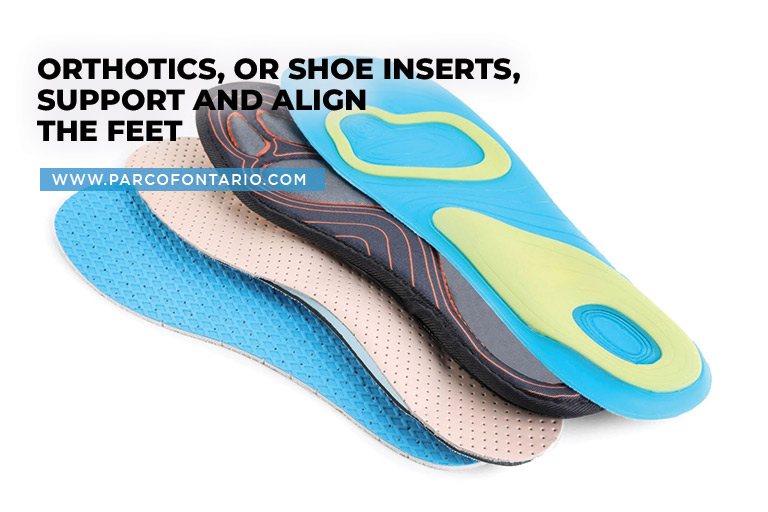
In the world of pediatric podiatry, orthotics play a significant role in addressing and managing various foot conditions in children.
What Are Orthotics?
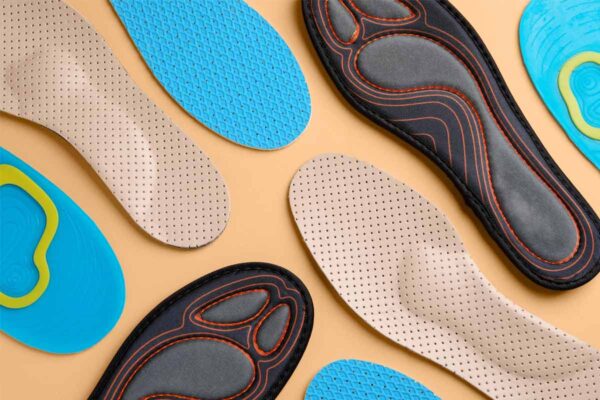
Orthotics, also known as shoe inserts or insoles, are devices designed to support and correct foot alignment. They go beyond traditional footwear by providing customized support tailored to the individual needs of each child.
How Orthotics Help
Orthotics can help correct biomechanical imbalances, redistribute pressure points, and provide cushioning and support where needed. For children with flat feet or high arches, orthotics can help promote proper foot alignment and alleviate discomfort during physical activities.
Correction of Biomechanical Imbalances
Orthotics are designed to address biomechanical abnormalities such as flat feet, high arches, and overpronation. By providing targeted support and alignment, orthotics help correct these imbalances and promote proper foot function.
Redistribution of Pressure Points
Orthotics help redistribute pressure evenly across the foot, reducing excessive stress on specific areas such as the heels or arches. This redistribution helps alleviate discomfort and prevents the development of pressure-related injuries.
Improved Posture and Gait
Proper foot alignment facilitated by orthotics improves posture and gait mechanics. By supporting the natural curvature of the foot and ankle, orthotics enhance stability and balance during walking, running, and other physical activities.
Orthotics provide cushioning and shock absorption, reducing the impact forces transmitted through the feet during weight-bearing activities. This cushioning helps prevent injuries such as stress fractures, plantar fasciitis, and shin splints, especially in active children.
Enhanced Comfort and Mobility
By providing customized support tailored to the individual needs of each child, orthotics enhance comfort and mobility. Children can engage in daily activities and sports with reduced pain and fatigue, allowing them to lead active and healthy lifestyles.
Orthotics offer long-term benefits for children’s foot health by addressing underlying issues and promoting proper foot development. By supporting optimal foot mechanics from an early age, orthotics help prevent the progression of foot deformities and minimize the risk of future complications.
When to Consider Orthotics for Your Child
Knowing when to consider orthotics for your child requires careful consideration and consultation with a podiatrist.
Consulting an Orthotic Professional
Before considering orthotics, it’s crucial to consult a qualified podiatrist who can assess your child’s foot health and offer personalized recommendations. Podiatrists have the expertise to identify underlying issues and determine whether orthotics are necessary.
Decision-Making Process
The decision to pursue orthotics for your child should be a collaborative effort between you, your child, and their healthcare provider. Together, explore the options available and make an informed decision based on your child’s individual needs and circumstances.
Finding the Right Orthotics for Your Child
Choosing the right orthotics for your child involves careful consideration and collaboration with a podiatrist.
Custom vs. Over-the-Counter Orthotics
While over-the-counter orthotics may offer convenience, custom-made orthotics provide tailored support and correction for your child’s specific foot issues. Custom orthotics are designed to fit your child’s unique foot shape and address their individual biomechanical needs.
Importance of Proper Fit
Proper fitting is essential to ensure the effectiveness and comfort of orthotics for your child. Working closely with a podiatrist ensures that the orthotics are adjusted to accommodate your child’s foot structure and provide optimal support.
Working with an Orthotic Professional
Collaborating with a podiatrist throughout the process ensures that your child receives the appropriate orthotics and ongoing support for their foot health needs. They can monitor your child’s progress and make any necessary adjustments to ensure the orthotics continue to meet their evolving needs.
If you suspect your child may benefit from orthotics in Scarborough, contact us at PARC of Ontario at (647) 352-1100 to schedule a consultation with our experienced orthotic professional. Let’s take the first step towards ensuring your child’s foot health and well-being.