How to Choose the Right Pillow for Neck Pain
While neck pain is a common problem that has plagued millions of Canadians at some point in their life, the causes are not entirely clear. Perhaps, you may have woken up in the morning with a sore or stiff neck—chances are, your pillow may be to blame for the pain.

A pillow is designed to provide support by holding your head and neck at the right height to prevent strain. When the pillow is too high or too low, the pressure in your neck starts to increase as it compensated for the lack of support. Without proper support, it stresses the intricate structures in the neck, aggravating existing neck conditions, as well as pain and stiffness.
However, using the right pillow ensures neutral alignment by holding your neck in a supported position.
How a Pillow Can Help Prevent Neck Pain
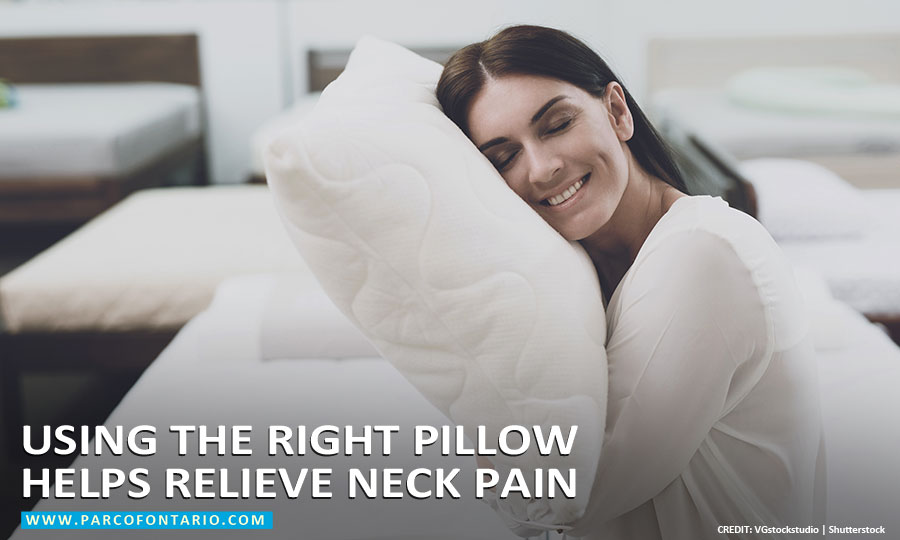
Your sleep posture is crucial. People use a pillow to keep the proper alignment of their neck and spine to prevent overextension, as well as ensure the muscles are relaxed during sleep. However, most people have different sleeping positions—some sleep on their sides or backs while others on their stomachs.
Choosing the right pillow can help avoid or improve neck pain. Simply make sure that both your head and neck are supported in a neutral position. So, what is the best pillow for neck pain?
In this article, we have rounded up a few helpful tips for choosing the right pillow for neck relief:
- Cervical pillows can help relieve neck pain
Unlike regular pillows, cervical pillows (or orthopedic pillows for neck pain) are designed to conform to the structure of your body, provide proper neck support, and keep the proper alignment of the spine. It works ergonomically to make sure your neck gets the support it needs.
Many people who switched from a regular pillow to a cervical pillow felt strange at first. Use it for short periods during the day while you rest in a recliner can help you adapt and make the transition easier.
- Pillows that mould to the neck for back sleepers
Your sleeping position is one of the important factors to consider when choosing the right neck support pillows. For instance, people sleeping on their back should choose a pillow that moulds to their head and neck, giving their neck ample support. Water pillows or memory foam pillows are good options as they are specially designed to keep their shape while adjusting to the structure of your body.
- Firm pillows for side sleepers
A firm, high-loft pillow for neck pain helps side sleepers sleep comfortably through the night. Instead of placing the pillow under your head, place it under your neck to keep your spine properly aligned.
It also helps if the pillow has a gusset as it has an extra material or filling that adjusts whenever you move your head. Also, sleep experts recommend putting a special pillow between your legs to maintain spinal alignment.
- Thin pillows for stomach sleepers
When the back is subjected to too much stress, people tend to sleep on their stomachs. However, this sleeping position causes your back to arch while your neck is twisted to the side. To prevent placing extra stress on your back, use a thin pillow or no pillow at all. Another way to minimize the stress on your back while sleeping is by placing another thin pillow under your abdominal area.
- Horseshoe pillows when travelling
Whether you are travelling in a car, plane, or train, using a horseshoe pillow helps provide neck support. It prevents your neck from drooping to the side when you are sleeping. Be sure that your neck is properly supported while travelling.
Types of Pillow that Help Relieve Neck Pain
- Contoured Pillow – Keeps the proper alignment of the neck and back to prevent muscle pain while sleeping.
- V-Shaped Pillow – Keeps the head elevated and the spine straight, which helps relieve neck and back pain.
- Memory Foam Pillow – Designed to mould to the person’s neck and head to provide support
- Latex Pillow – While this type of pillow is expensive, a latex pillow is known for its durability. It helps support the body, including the head and neck.
- Water Pillow – This type of pillow can naturally conform to the person’s movements and give the head and neck the support it needs.
- Buckwheat Pillow – This eco-friendly pillow uses buckwheat as its filling material, which is not only comfortable but also provides the right support.
When to Visit a Chiropractor?

If you have chronic neck pain that does not seem to improve even after changing your pillow, ensuring proper posture, or other lifestyle changes, contact a chiropractor in Whitby.
Chiropractic care is a safe and non-surgical option for people with chronic neck pain. It does not rely on pain medications (which puts you at risk of side effects). The chiropractor employs different natural therapies that help treat the root cause of the pain and discomfort. In addition to the treatment, the chiropractic educates the patients, as well as recommends maintaining proper body posture, developing a regular exercise routine, and adopting proper sleeping habits to help prevent neck pain from reoccurring.
The chiropractor will assess your current condition to determine the right treatment combination to address the problem and restore the posture, alignment, mobility, and movement mechanics of the spine. This will help gradually minimize the pain and discomfort and restore the overall function of your neck.
Below are a few chiropractic care options that you can discuss with your health care provider:

Considered the most accurate and effective treatment, chiropractic neck adjustment is applied to the joints of the neck. The chiropractor uses their hands or special equipment to apply pressure at the trigger points. This technique focuses on improving spine mobility and stabilizing the movement of stiff muscles. Chiropractic neck adjustment has helped reduced pain, soreness, and stiffness in about 80% of patients.
During cervical manual traction, the patient can either lay face up or sit straight. The chiropractor will gently stretch the cervical spine at various angles (forward and backward motion) to loosen and relax tight neck muscles. Often, this technique is combined with neck mobilization to achieve faster results.
- Rehabilitative or Therapeutic Chiropractic Exercises
These exercises are designed to enhance the neck’s overall range of motion and prevent the pain from any further progression.
If you are looking for a chiropractor and want to learn more about how chiropractic care helps relieve neck pain, call the Physiotherapy and Rehabilitation Centres (PARC) of Ontario today at (905) 430-2112.