Can Acupuncture Relieve Sciatica Pain?

Sciatica can take a toll on you physically and mentally. While sciatica affects only one side of the body, the pain can be bothersome, interrupting your sleep, work, and day-to-day activities. While sciatica affects only one leg, the pain can be severe and could potentially lead to weakness of the affected limb, or bladder or bowel issues.
What Is Sciatica?
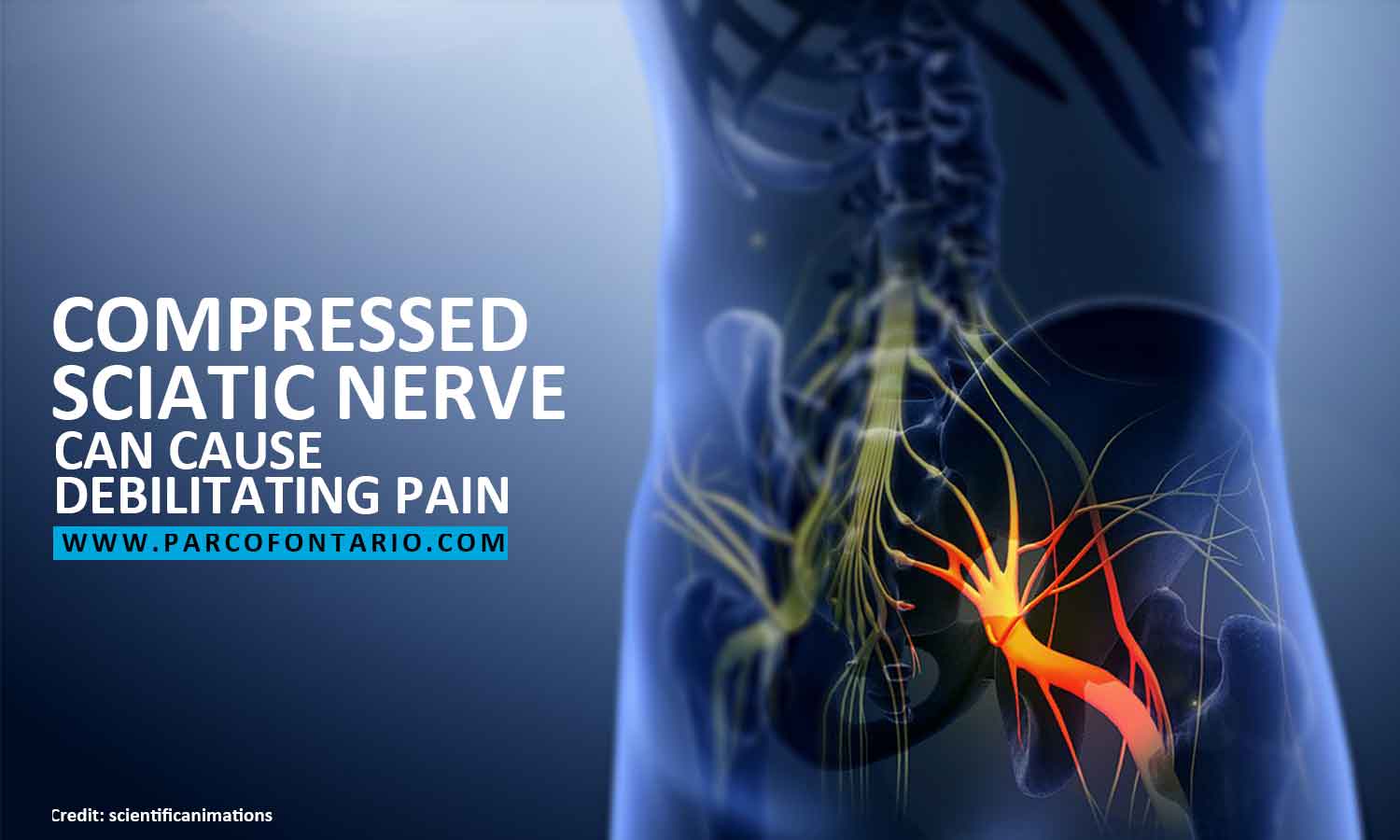
At some point in our lives, we all experienced episodes of lower back pain. Perhaps it was due to muscle or ligament strain; perhaps an accident caused injury to the soft tissues of the back. However, if the pain radiates down the lower spine to your buttock and leg, the pain can be debilitating. This condition is called sciatica, because the nerve that is being impacted is your sciatic nerve.
Sciatica usually causes discomfort along the nerve’s pathway (from your lower back to your buttock and the back of your thigh and calf). While some people feel a mild pain, others experience a sharp, burning sensation, often becoming worse when coughing or sneezing. Some report numbness, a tingling sensation, or muscle weakness.
What Triggers It?
One of the most known causes of sciatica is a lumbar herniated disc. The lumbar discs are jelly-like substances that act as a cushion or shock absorber between your spinal vertebrae. Excessive strain or trauma to the spine causes the jelly to leak out and compress the sciatic nerve.
The pain caused by the inflamed sciatic nerve becomes worse when seated. Sitting increases the pressure on the disc, compressing the nerve a little more. Also, lifting heavy objects can push the disc out, causing or worsening the pain.
Bone spurs (overgrowth of bone) may also be a culprit for sciatic pain. In some cases, a tumour can cause compression on the nerve. More rarely, the sciatic nerve becomes damaged by certain diseases, such as diabetes.
Here are several factors that put you at risk of sciatica:
- Age – The risk of sciatica increases with age. This condition is more common between 30 to 50 years of age. As you age, your discs are more likely to become less flexible, making it susceptible to tear even with minor twist and strain.
- Weight – Excess pounds can increase the stress on your spinal discs located in your lower back.
- Occupation – Physically demanding jobs can increase the risk of back problems. People lifting heavy loads or driving long hours are more likely to develop painful sciatica.
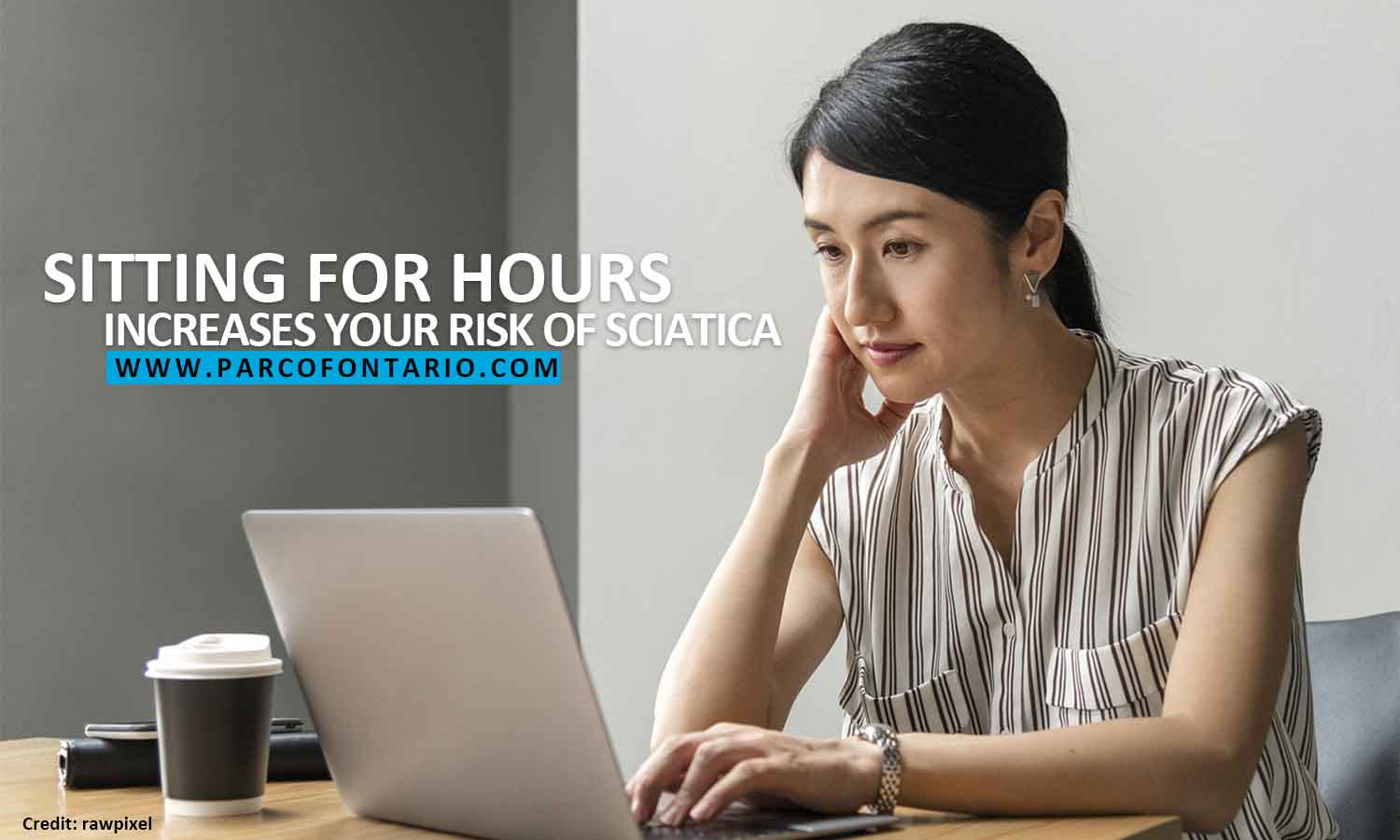
- Prolonged sitting – Sitting for long periods in the office or people living a sedentary lifestyle are more likely to experience sciatic pain than active people.
- Smoking – Smoking reduces the supply of oxygen to the disc, causing it to break down quickly.
Taming Sciatic Pain
While sciatica can cause severe pain and discomfort, it gets better in a few weeks. Fortunately, your body has the ability to reabsorb the disc material that caused the symptoms. While over-the-counter medications help control the pain and discomfort, your healthcare provider may also recommend a combination of these treatments:
- Physical therapy – The physical therapist will determine the type of exercises or manual therapies to help relieve your pain. Among the most common techniques used by physical therapists are the McKenzie-based mechanical diagnosis and treatment, core strengthening exercises, muscle energy techniques, spinal stabilization, and traction. Physical therapy helps improve your posture to reduce the pressure from the sciatic nerve.

- Stretching – Certain stretching exercises provides relief from sciatic pain by rotating the hip externally. This helps relieve the pressure and pain of sciatica. Among the most popular sciatica stretches include the child pose, knee hugs, supine twist, thread the needle, and cobbler’s pose.
- Limited bed rest – Resting for three days usually helps alleviate the pain. Lay down on a firm mattress or the floor. However, avoid prolonged bed rest as it can worsen the pain.
- Hot and cold packs – Apply hot and cold packs alternately for several minutes on the affected area. Do this several times a day. Apply cold pack first for several consecutive days, then heat packs.
- Pain killers – There are several types of medications that can help relieve pain from sciatica. Oral medications include:
- Over-the-counter pain medications, such as NSAIDs
- Prescription muscle relaxants
- Antidepressants
- Prescription medications for chronic pain
Your healthcare provider may also prescribe a steroid medication to be injected into the space around the spinal nerve to prevent irritation caused by the pressure from a herniated disc.
Note: Never give aspirin to anyone 18 years or younger, to avoid the risk of Reye’s syndrome.
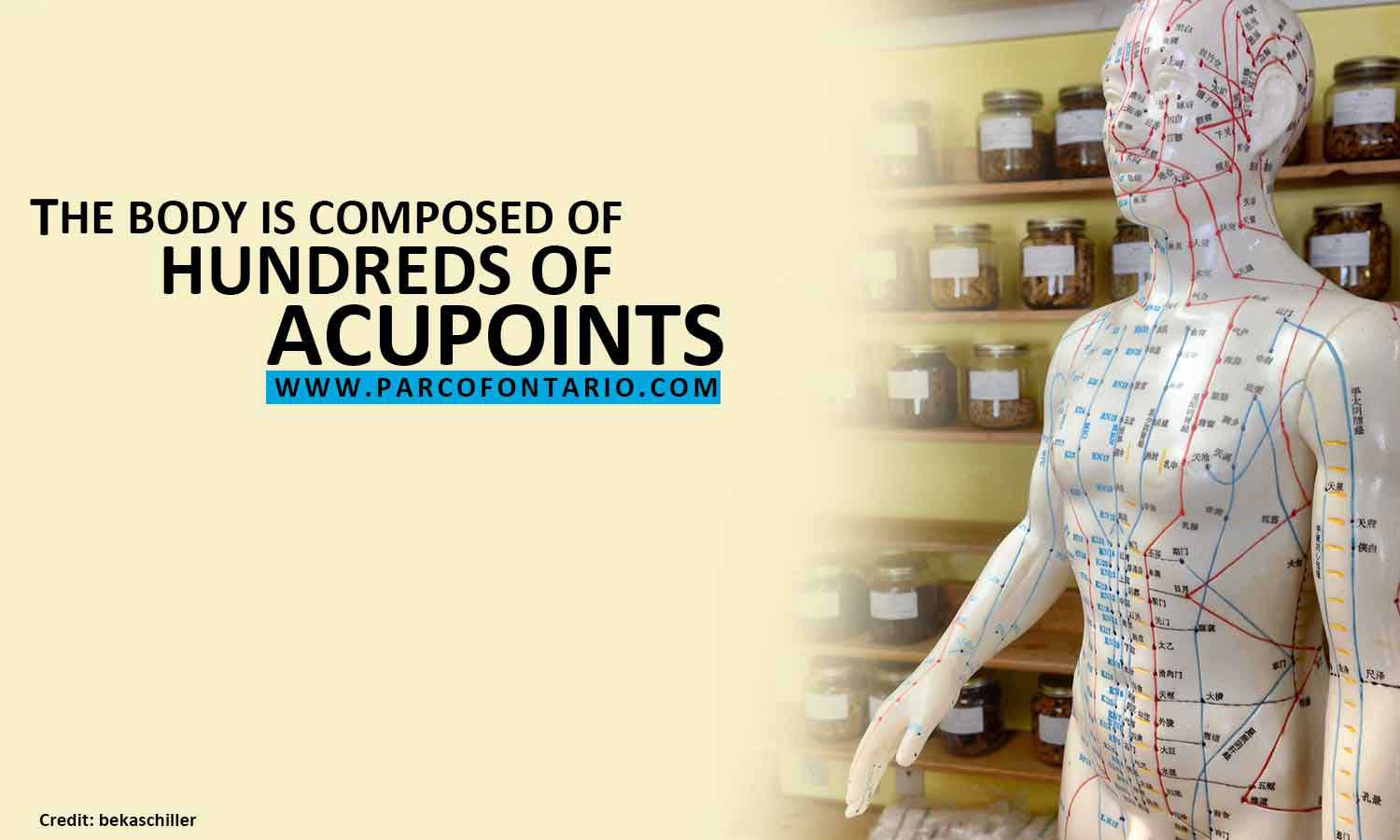
How Acupuncture Can Help
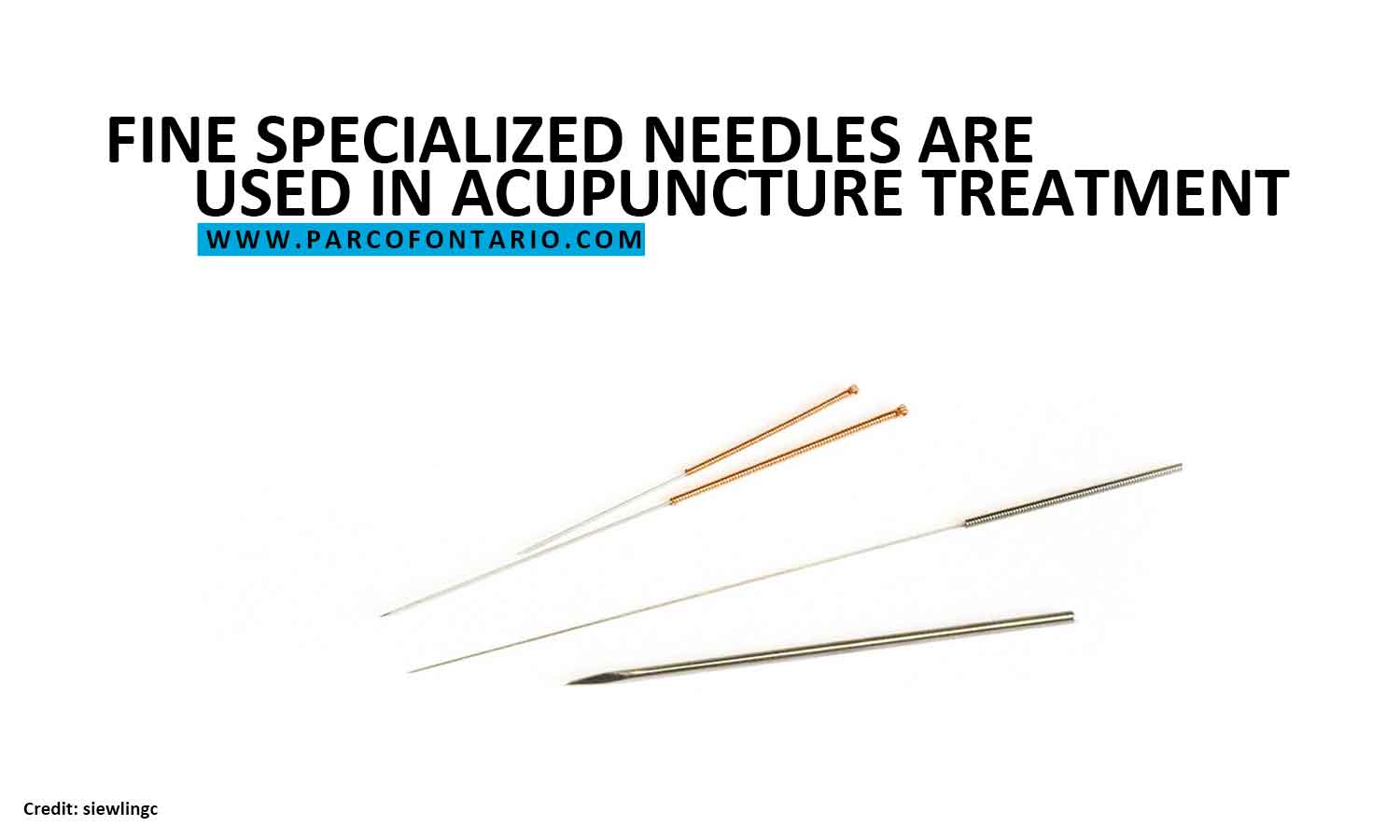
Acupuncture is a well-studied form of traditional Chinese medicine that effectively helps alleviate and manage both acute and chronic pain. It works by inserting fine, specialized needles into precise body points to trigger a response from the nervous system. It stimulates the brain to release a cascade of natural painkillers (enkephalins and endorphins), boosts blood circulation to the painful area, and relaxes the muscles in the surrounding area.
The theory behind acupuncture treatment is that the body is comprised of an energy force known as Qi or Chi. Physical illness can develop when Chi is blocked. Acupuncture therapy stimulates specific acupoints to alleviate pain and inflammation caused by a pinched nerve. This, in turn, causes your brain to release natural painkillers and neurotransmitters. It also stimulates the hypothalamic-pituitary system to regulate the production of serotonin and dopamine, helping you feel relaxed and improve your mood.
By stimulating the acupoints in your lower back and leg, it reduces muscle tension, improves blood circulation and brings endorphins in the affected area; thus, helping the body to heal. Patients with acute sciatica may find relief within two to three acupuncture sessions. On the other hand, patients with chronic sciatica usually require about eight to 12 treatments depending on what caused the problem (e.g. disc herniation, stenosis, bone spurs). Your acupuncturist also recommends a maintenance routine to prevent the problem from reoccurring in the future.
The Physiotherapy and Rehabilitation Centres (PARC) of Ontario offers top-quality acupuncture services for Ajax, Scarborough, Mississauga, Oshawa, and Whitby patients who are struggling with painful sciatica. Our highly trained and experienced team of licensed acupuncturists provide effective acupuncture therapy with faster results and patient-centred services.
We understand how sciatica can affect the quality of your life and are dedicated to providing effective customized treatment programs for you in a welcoming environment. Our friendly and knowledgeable staff are willing to assist and help you achieve results.
Call PARC of Ontario at (905) 686-9081 or submit your information and message using our contact form.