Can Physiotherapy Treat Myofascial Pain Syndrome?
Muscle pain is a common condition that will affect most people at some point in their lives. However, if you experience pain that refuses to leave (despite over-the-counter medication, massages, compression, and other remedies), consult with your family doctor or GP. They can perform tests and evaluate your history to determine whether you are dealing with Myofascial Pain Syndrome (and require physiotherapy).
What Is Myofascial Pain Syndrome?
Myofascial pain syndrome (MPS) affects the fascia — thin fibrous tissues that cover the muscles and internal organs. MPS manifests itself as pain and inflammation in the musculoskeletal system (generally called “muscle pain”). While ordinary muscle pain generally disappears after a few days or weeks (with or without treatment), MPS is a persistent, chronic pain disorder.

MPS can have many causes, like a muscle injury (including overexerted or strained muscles) or a repetitive strain injury (e.g. prolonged typing on a keyboard, or use of a computer mouse). However, it can also be provoked by other factors, including:
– Overcooling of the muscles (e.g. extended exposure to air conditioning)
– Lack of activity (e.g. sitting for long periods of time at work)
– Lack of sleep
– Poor posture
– Emotional factors (e.g. stress, depression, or anxiety)
– Vitamin or mineral deficiencies

Pain caused by MPS can either be localized (affecting a specific part of a muscle) or referred, which manifests in parts of the muscle other than the location of the actual source of pain. Other symptoms of MPS may include:
– “Local twitch response” — a muscle spasm resulting from pressure or contact with the affected muscle; the spasm may or may not be perceptible
– Trigger points — tight “knots” in muscles that cause intense localized and referred pain and local twitch response when pressed
– Muscle tightness, tension, or stiffness
– Tenderness and soreness
– Muscle weakness
– Popping, clicking, or snapping sensations
– Deep pain in certain areas of the muscle
– Pain that intensifies when the muscle is stretched and/or strained
– Limited or restricted range of motion
– Insomnia
– Behavioural disturbances
What Can Physical Therapy Do for Myofascial Pain Syndrome?
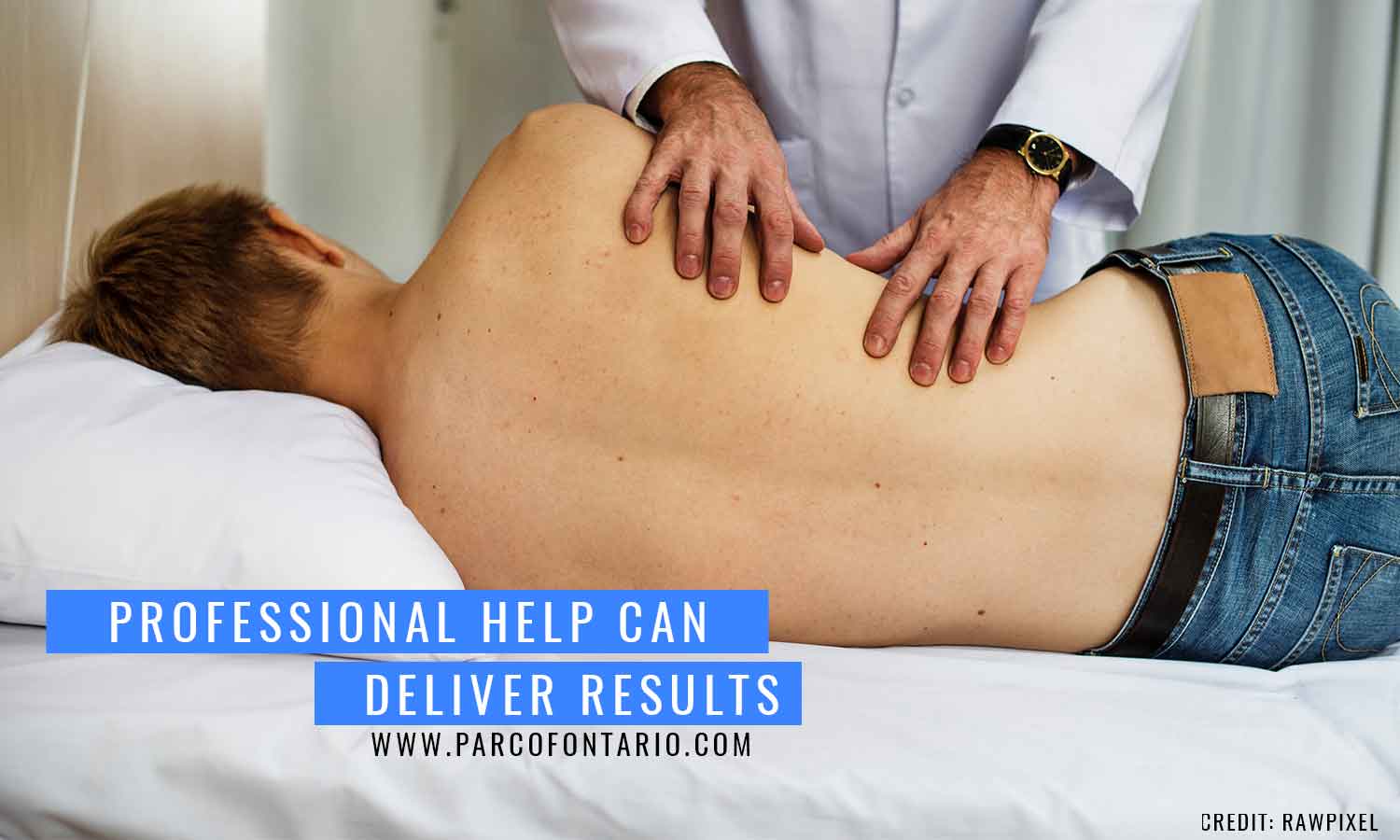
Individuals suffering MPS can turn to a physiotherapist for pain relief and increased mobility. Physiotherapy (with therapeutic modalities specifically for myofascial pain) is designed to treat the muscles by correcting the contributing factors and loosening, stretching, and strengthening the muscles.
A physical therapist can create a plan for a patient based on the signs and symptoms the individual presents. Physical therapy involves a number of activities, techniques, and procedures that can include:
- Stretching – Stretching exercises target trigger points, unbind knots, and improve posture. A physical therapist will ensure that your muscles get enough stretching without adding strain (potentially worsening the problem), and will provide a patient with the knowledge to safely stretch on their own between therapy appointments.
- Massage – A massage from a registered massage therapist (RMT) can help release tension, relax contracted muscles, and smooth out trigger points. It can also address symptoms (like anxiety and insomnia) before they aggravate your MPS. A massage can also target the source of muscle stress that may have triggered the pain in the first place.
- Posture Training – Through posture training, you can ease tension (specifically in the neck and lower back), reducing related pain. If poor posture is contributing to your MPS, correcting it will definitely have a positive impact on your recovery.
- Exercise – Whether exercise is an effective option in treating MPS remains unclear. However, some patients have had positive results from exercising. Strength and endurance training can minimize muscle spasms and improve range of motion while helping to relieve pain.
- Ultrasound – Ultrasound therapy sends sound waves into the muscles to break up tight knots, promoting blood circulation and healing.
- Phonophoresis – Combining ultrasound and topical medication, phonophoresis calms the inflammation in the muscles. A topical solution is applied to the affected area and is treated via ultrasound waves, which promotes the absorption of the medication into the skin and the underlying tissues.
- Electromyogram (EMG) Biofeedback – EMG is used to assess the activities and tension in the muscles. Although the treatment is reported to largely treat tension headaches, those with MPS can still benefit. EMG biofeedback lowers tension levels and reduces pain.
- Electrical Stimulation – Electrical stimulation applies electrical currents to the muscles. The treatment is designed to reduce inflammation and pain while enhancing blood circulation and promoting proper muscle contraction. The types of electrical stimulation used by physiotherapists include the following:
– Electrical muscle stimulation (EMS) – EMS can effectively address the loss of function.
– Functional electrical stimulation (FES) – FES encourages muscle contraction to improve the range of motion, relieve pain, and reduce spasticity.
– High-frequency transcutaneous electrical nerve stimulation (TENS) – TENS targets sensory nerves to disrupt pain signals, providing relief and reducing tightness.
- Low-Level Laser Therapy (LLLT) – LLLT is proven to be beneficial in managing pain and promoting the body’s healing abilities. It reduces inflammation and induces analgesia, relieving pain. If targeted at trigger points, LLT can soothe muscle contraction and minimize tenderness. However, it cannot be used to treat structural problems in muscle tissue.
What Are Other Treatment Options?
Physiotherapy alone can effectively relieve symptoms. However, it works well alongside other procedures and therapies. Patients with MPS can benefit from treatments that might include:

Many symptoms of MPS, like pain and muscle spasms, can be treated with drugs, including pain relievers (e.g. nonsteroidal anti-inflammatory drugs and analgesics) and muscle relaxants. Other types of medications that can be effective in treating some symptoms include:
– Botox (recently approved by the FDA for the treatment of chronic pain symptoms)
– Antiseizure drugs
– Antidepressants
Consult with your doctor, so they can recommend or prescribe the specific medication that will best help address your pain.
A poor work environment can contribute to postural deficiencies and trigger MPS, especially if the individual is in one position for extended periods of time. Occupational therapy can evaluate and correct working conditions of individuals with MPS. This may involve setting up ergonomic workstations to correct posture and avoid repetitive stress injury.
- Acupuncture or Dry Needling
Acupuncture involves the application of needles to key points in the body. It is an ancient traditional Chinese remedy, and has recently been accepted as a therapy for treating stress, anxiety, and chronic pain. It can resolve the constriction of blood vessels, improve circulation, induce analgesia, and promote the body’s natural ability to heal itself.
Similar to acupuncture, dry needling uses needles that are inserted into the skin to access specific points in the body. However, it specifically targets the trigger points of myofascial pain. Dry needling can be done by poking the needle in and out trigger points or the surrounding areas. The process is sometimes painful, but can help ease persistent symptoms.

Clinical treatments work well when supplemented by self care. Make time to do the following treatments between therapies, with the guidance of your physiotherapist.
- Self-Massage – Self-massage is an important skill those with MPS can learn. Locate your trigger points and apply gentle pressure on sore areas.
- Hot Compress – Heat is one way of relieving muscle tightness and pain. Place a hot pack or compress on the affected area, or take a hot bath or shower.
- Stretching and Exercise – Low-impact aerobics and stretching exercises can be done at home. To avoid overexerting or further straining of your muscles, follow the activities and guidelines set by your doctor and physiotherapist.
Myofascial pain syndrome is an everyday reality for those who deal with this ailment, and can be detrimental to a person’s quality of life. However, the above treatments can alleviate many of its symptoms and allow you to enjoy an improved quality of life. Talk to your doctor if you suspect you have MPS, or if you have persistent muscle pain. Ask about treatment options suitable for you.
For physical therapy in Scarborough, Mississauga, and other GTA locations, contact The Physiotherapy and Rehabilitation Centres (PARC) of Ontario. We also have offices in Oshawa, Ajax, and Whitby. Book an appointment at a clinic near you.