Understanding Sciatica and How It Affects Your Life
Home / Blog / Blog / Understanding Sciatica and How It Affects Your Life
Understanding Sciatica and How It Affects Your Life
Back pain can immediately flare up after an injury — or slowly (and mysteriously) develop over a period of months. Many people suffer from short-term (acute) or long-term (chronic) pain. While some causes of back pain are hard to determine, others can be pinpointed easily. Sciatica is one of the back pain causes that is relatively simple to identify.
What is Sciatica?
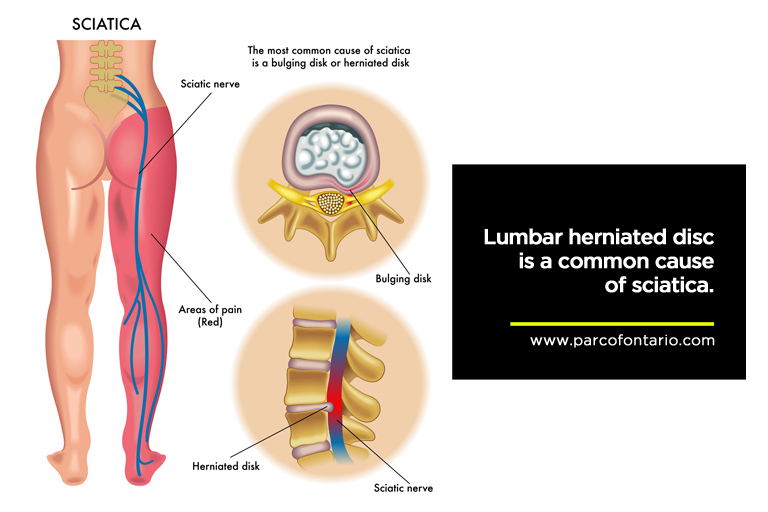
Sciatica (also known as lumbar radiculopathy) is a type of back pain caused by the irritation of the sciatic nerve. This is the largest nerve in the body that extends from the lower back down to the back of each leg. Sciatica (or sciatic nerve pain) is not likely to occur before age 20. However, this condition becomes more common among middle-aged people.
Since the term sciatica is loosely used to describe leg pain, its presentation is widely varied. It does not always present itself immediately after an injury; it can gradually develop over time. “Sciatica” is not considered a medical diagnosis — it is regarded as a symptom of an underlying health condition.
Common causes of sciatica symptoms include:
Lumbar Herniated Disc (LHD) – Also referred to as “ruptured or slipped disc,” LHD can occur when a disc moves out of its place, putting pressure on the bundle of nerve roots. LHD is a common type of injury caused by improper lifting positions, repetitive movements, high-impact injury, overweight or obesity, and the mere physical aging process.
Degenerative Disc Disease – Degenerative disc disease is a common underlying condition characterized by low back pain and wear-and-tear (arthritic) changes of the intervertebral discs. Degeneration of the disc can potentially begin in our 30s. Injury to the outer ring of the disc (annulus), facet joint injury, infection, fractures, or rheumatologic etiologies are among the causes of degenerative disc disease.
Spondylolisthesis or Spinal Stenosis – This condition is characterized by the narrowing of spaces within the spine, particularly in the neck and lower back. This puts pressure on the nerves travelling through the spine. Its symptoms include pain, tingling, and muscle weakness (all of which can worsen over time). Spinal stenosis is caused by physical changes relating to the wear-and-tear of the spine. Severe spinal stenosis may require surgery to increase space for the spinal nerves.
When Sciatica Becomes Serious
The good news is about 90 percent of people can recover from sciatica without a need for surgery. While sciatica symptoms should not be alarming, some rare ones may indicate that the sciatic nerve is severely injured.
Watch for these two symptoms, which require immediate medical attention:
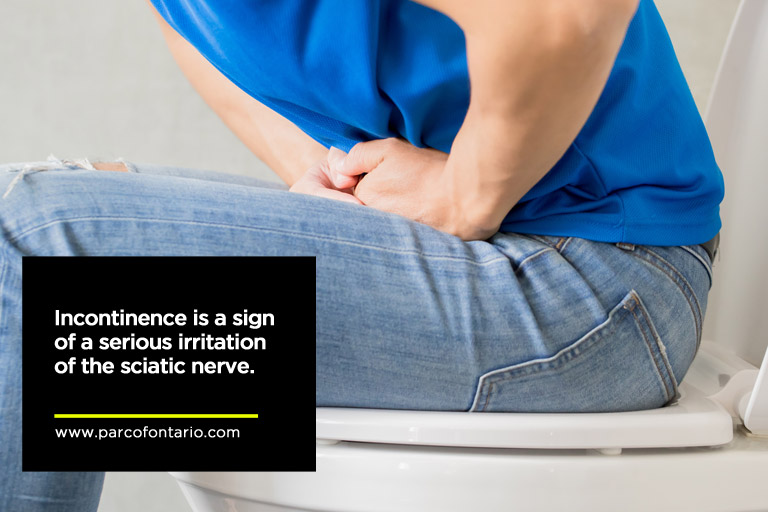
Bladder and/or Bowel Incontinence – When bladder and/or bowel incontinence (a health condition characterized by the inability to hold or release urine or stool) accompanies sciatica symptoms, see your doctor. This situation can indicate a more serious problem known as cauda equina syndrome. Its symptoms often include intense lower back pain, incontinence, and sensory and/or motor deficits in the lower body. Without prompt treatment, cauda equina syndrome could lead to difficulty walking, paralysis, and other physical and neurological problems.
Neurological Problems – If the neurological symptoms in your legs continually worsen, there may be serious damage to the sciatic nerve. Symptoms include tingling, weakness, and numbness. If a medical examination shows that the sciatic nerve is compressed, your healthcare provider may recommend surgery to release the nerve.
Lumbar microdiscectomy and lumbar laminectomy are two forms of surgery used to correct a sciatica problem. Worsening neurological symptoms in the leg may also be suggest cauda equina syndrome.
Immediate medical attention is necessary when these two rate sciatica symptoms occur after an accident or trauma — or when accompanied by fever and/or loss of appetite.
Dangers of Untreated Sciatica
It is crucial to discuss sciatica symptoms with your GP (general physician) or a specialist, determine the cause, and get proper treatment. If you fail to seek medical help for sciatic problems, the condition may worsen, causing lasting and serious damage to the hips and lower back.
Here are several health issues that can arise from untreated sciatica:
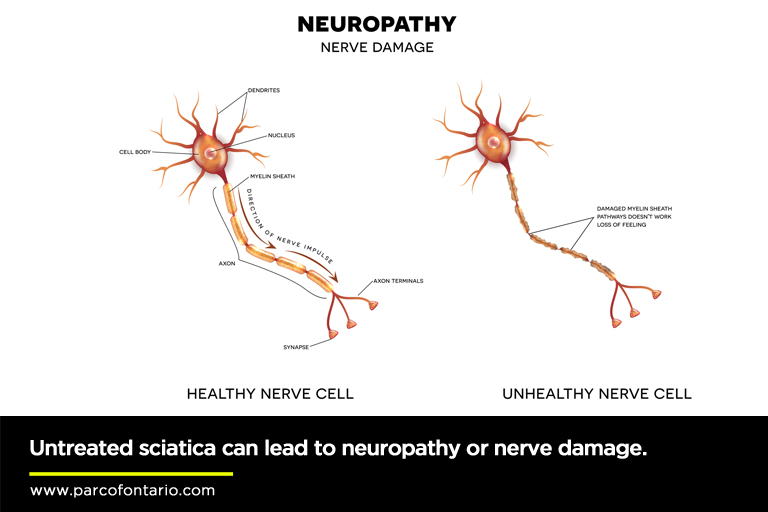
Nerve Damage – Permanent nerve damage may occur after back and leg pain get worse over time. Pain medications cease to be effective at alleviating the pain.
Loss of Feeling – Loss of feeling in and affected limb can be devastating. This situation can affect mobility and worsen pain. Paralysis may follow.
Diagnosing Sciatica
The two common questions medical professionals will ask a patient about sciatica include (1) how the pain started and (2) location of the pain. To further evaluate your condition, you may be asked to walk on heels or toes, squat, or raise a leg without bending the knee. These tests help a doctor determine if the sciatic nerve is irritated. Magnetic Resonance Imaging (MRI), X-ray, CT scan, and electromyogram may also be ordered to further define the exact cause of sciatica.
Treatments
Acute or chronic pain treatment depends upon identification of its underlying cause. Here are some options:
Acute Sciatica – In most cases, acute sciatic pain responds well to self-care routines that include:
Over-the-counter pain relievers
Light stretching and walking
Alternating hot and cold compresses
Chronic Sciatica – A combination of self-care measures and medical treatment helps treat chronic sciatica symptoms:
If the symptoms of chronic sciatica fail to respond to these treatments and continue to intensify, surgery may be recommended. Surgical options for chronic sciatic nerve pain include:
Lumbar laminectomy – a procedure that widens the space of the spine to reduce pressure on the nerves.
Discectomy – the partial or whole removal of a herniated disc
A surgeon will discuss the benefits and risks of surgery and recommend the best option for each individual.
Chiropractic Treatment
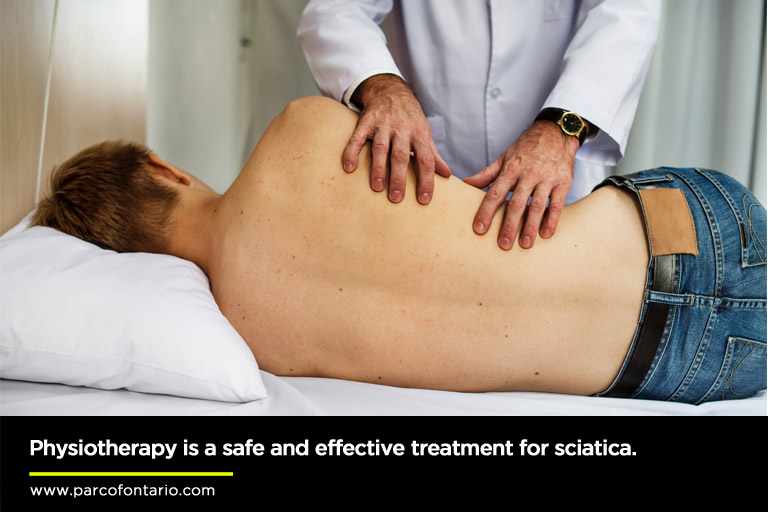
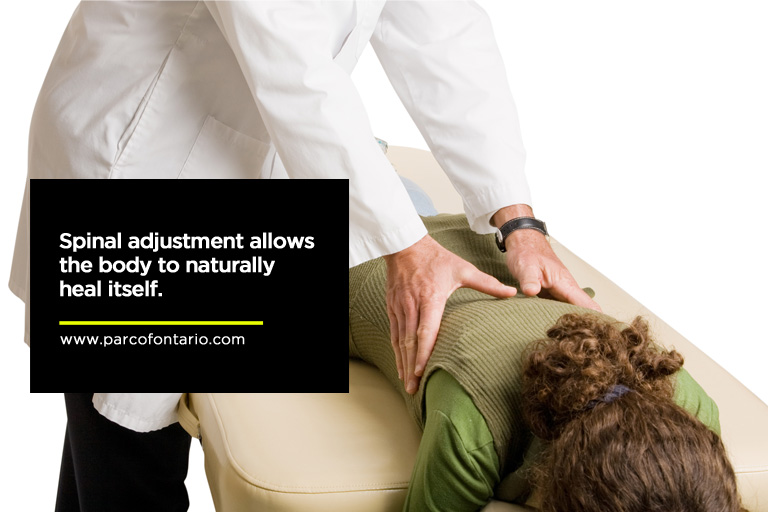
Chiropractic care is a non-invasive and drug-free treatment that boosts the potential for the body to heal itself naturally. Based on its scientific principle, chiropractic improves mobility and limits movement that could result in pain, reduced function, and physical performance. Spinal adjustments are the core of chiropractic care, helping restore misaligned vertebral bodies to their proper place in the spinal column. It reduces nerve inflammation, muscle spasm, pain, and other symptoms of sciatica.
Your healthcare provider will work to understand the main cause of any sciatica problem. After receiving a referral to an excellent physiotherapy clinic you will get an individualized right treatment plan to reduce pain and address other challenges. Maintaining a healthy weight, avoiding long sitting hours, and engaging in regular physical activities all help prevent recurrence of sciatica.
For sciatica treatment in Ajax, Oshawa, Whitby, Mississauga, and Scarborough call PARC of Ontario at (905) 686-9081. We’ve taken care of our patients since 1995.
Key Takeaway: Targeted manual care relaxes the deep piriformis muscle to relieve direct mechanical pressure on the sciatic nerve. Clinical techniques like trigger point and deep tissue work through top muscle layers…
Key Takeaways: Safe home checks help you spot balance issues before they lead to serious falls A clean testing area with sturdy support prevents accidental trips or stumbles Professional physiotherapy identifies the…