8 Reasons Trail Runners Should Wear Compression Gears
Trail running subjects the human body to extreme physical stress that road running cannot match. Steep descents force the quadriceps and calves to absorb massive eccentric loads, while technical, uneven ground requires constant lateral stabilization. These repetitive impacts cause significant muscle vibration, which contributes to fatigue and connective tissue strain over long distances.
Constant muscle “jiggle” during high-impact movement creates microscopic tears in the muscle fibres. This damage often results in delayed onset muscle soreness and a noticeable drop in athletic output. Professional compression clothing for runners serves as a practical tool to manage these forces. By stabilizing the muscles and improving circulation, this gear helps athletes maintain their pace and protect their limbs from the harsh realities of the Canadian backcountry.
What Compression Gears Trail Runners Need
Athletes must select specific items based on their individual biomechanics and the specific demands of the trail. The right performance compression apparel should provide a tight but comfortable fit that does not restrict joint movement. Here are the essential pieces for a complete trail kit:
- Compression Socks and Stockings
These are the most vital pieces for trail athletes. They apply graduated pressure from the ankle up to the calf, which prevents blood from pooling in the lower extremities. High-quality graduated compression socks reduce the heavy-feeling in legs during long climbs and protect the skin from trail debris.
- Compression Calf Sleeves
Sleeves offer the same muscle stabilization as socks but allow runners to wear their preferred thin or cushioned socks. They are excellent for regulating temperature in varying Canadian climates. Many runners choose calf compression sleeves to specifically target the “shaking” sensation felt during fast, technical downhill sections of a race.
- Compression Shorts or Tights
These garments support the large muscle groups in the upper leg, specifically the hamstrings and quadriceps. By wrapping these muscles tightly, the gear limits the micro-trauma caused by vertical oscillation. Compression running tights also provide a layer of protection against scratches from tall grass, thorns, and brush found on narrow paths.
- Compression Arm Sleeves
While often overlooked, arm sleeves help with temperature control and blood flow in the upper body. On chilly morning starts in Ontario, they provide warmth that can be easily removed as the body heats up. Compression sleeves for arms also offer a minor layer of UV protection and skin shielding against trail-side obstacles.
- Post-Run Recovery Socks
Recovery-specific garments often feature a higher pressure rating than those meant for active use. Wearing these after a race helps flush out metabolic waste and reduces swelling in the feet and ankles. Medical grade compression stockings are frequently used by elite athletes to ensure they can return to training the following day.
Why Trail Runners Need Compression Gears
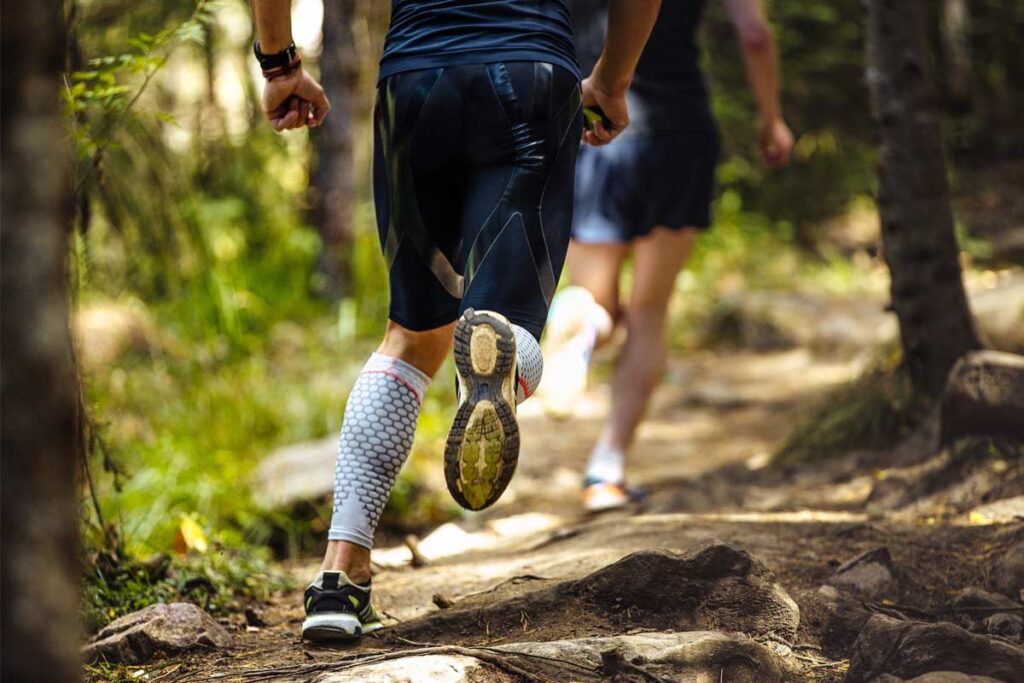
The benefits of these garments go beyond simple aesthetics; they provide measurable physiological advantages. Research suggests that compression gear for trail running alters how the body responds to the trauma of uneven surfaces. Below are the primary reasons why these tools are necessary for trail performance:
- Reduction in Muscle Oscillation
Every time a foot hits the dirt, a vibration wave travels through the leg. This movement causes muscle fibres to shift, leading to energy loss and structural damage. Athletic compression wear acts like a structural support, dampening these vibrations. This allows the runner to conserve energy for the final kilometres of a trek.
- Enhanced Venous Return
Gravity makes it hard for blood to travel from the feet back to the heart during upright exercise. Compression garments use a graduated pressure profile to squeeze the veins, speeding up blood flow. Increased blood circulation ensures that oxygen reaches the working muscles faster, which is critical during steep, aerobic climbs in high-altitude environments.
- Improved Proprioception and Balance
The pressure on the skin provides the brain with better feedback regarding the position of the limbs. This heightened “body awareness” is crucial when jumping over roots or balancing on loose rocks. Proprioceptive compression support can help a runner make split-second adjustments to their stride, potentially preventing ankle rolls and falls.
- Faster Clearance of Metabolic Waste
Intense exercise leads to the buildup of lactic acid and other waste products in the muscle tissues. Better blood flow helps the body move these by-products out of the legs more efficiently. Using compression for muscle recovery during and after a run helps minimize the stiffness that typically follows a 50km or 100km mountain race.
- Temperature and Moisture Management
Technical compression fabrics are designed to wick sweat away from the skin, preventing chafing and blisters. In the humid Canadian summer, moisture-wicking compression gear keeps the skin dry and cool. Conversely, in the autumn, the tight fit provides a thermal layer that retains essential body heat without adding bulk or weight.
- Protection Against External Elements
Trail paths are often overgrown with stinging nettles, poison ivy, or sharp rocks. Wearing long compression stockings for outdoors provides a physical barrier between the runner and the environment. This reduces the risk of infections from cuts and keeps the legs cleaner when running through mud, silt, or deep woodland dust.
- Lower Risk of Exercise-Induced Edema
Long hours on the feet can cause fluid to build up in the lower legs, a condition known as edema. This swelling makes shoes feel tight and causes discomfort during the later stages of a run. Medical compression for athletes applies enough external pressure to prevent this fluid accumulation, keeping the feet at their natural size.
- Psychological Confidence and Support
The “tight” feeling of compression often gives runners a sense of security and readiness. This psychological boost can be the difference between pushing through a difficult section or slowing down. Supportive compression apparel makes the legs feel “snappy” and fresh, which is a major mental advantage during the dark hours of an ultramarathon.
How to Choose the Right Compression Gears
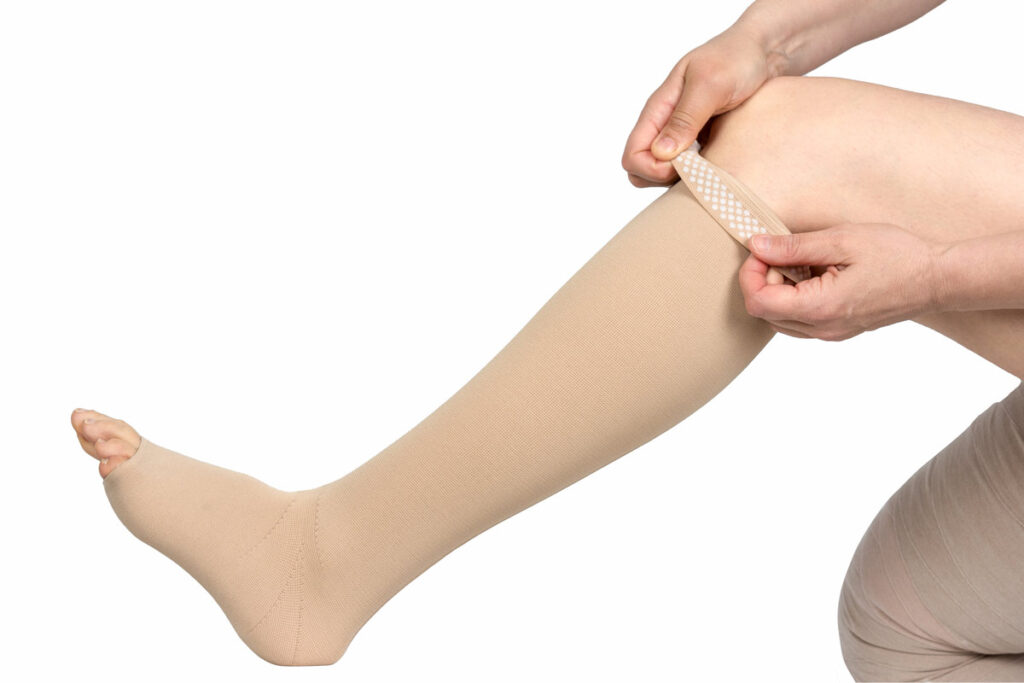
Selecting the wrong size or type of gear can negate the benefits or even cause discomfort. It is important to treat these items as medical-grade equipment rather than standard gym clothes. Follow these guidelines to find the best compression socks for running:
- Prioritize Graduated Pressure Ratings
Ensure the product specifically states it is “graduated,” meaning it is tightest at the ankle and loosens as it moves up. This is the only way to effectively assist blood flow. Cheap imitations often provide uniform pressure, which can actually restrict circulation. Look for verified graduated compression labels to ensure the gear works correctly.
- Measure Your Calves and Ankles
Sizing for compression is based on limb circumference, not shoe size or height. Use a soft tape measure to find the widest part of your calf and the narrowest part of your ankle. Properly fitted compression socks should feel tight but never painful, and they should never leave deep, red indentations in the skin.
- Check the Fabric Composition
Look for a blend of nylon and Lycra or elastane that offers “four-way stretch.” This ensures the garment moves with your muscles rather than fighting against them. Breathable compression fabrics are essential for preventing overheating, so avoid heavy materials that do not allow for adequate airflow during high-intensity mountain efforts.
- Choose the Correct Compression Level
Most runners thrive in the 15-20 mmHg or 20-30 mmHg range. The lower range is usually sufficient for daily training, while the higher range is better for recovery or those with venous issues. Consult with a specialist to determine which compression mmHg for runners is most appropriate for your specific health history and goals.
- Assess Durability for Rugged Terrain
Trail gear takes a beating from mud, grit, and frequent washing. Check the heel and toe areas for reinforcement, as these are the first spots to wear out. Durable trail compression should maintain its elasticity even after dozens of uses, providing the same level of support on day 100 as it did on day one.
- Look for Flat-Lock Seams
Traditional seams can rub against the skin, causing painful “track marks” or blisters during a long-distance run. Flat-lock stitching lies flat against the body to eliminate friction. This is a hallmark of high-quality compression garments and is a non-negotiable feature for anyone planning to spend more than an hour on the trails.
Trail running is a demanding sport that requires the best possible protection for your muscles and joints. By integrating compression technology into your kit, you can reduce the physical toll of the Canadian wilderness and improve your ability to bounce back after a hard effort. Taking these steps allows you to focus on the scenery and the challenge rather than the pain in your calves.
For runners in the Greater Toronto Area seeking professional-grade solutions, PARC Ontario offers a wide selection of high-performance gear. Their experts can help you find the perfect fit to ensure your legs stay fresh on every incline. You can find specialized compression socks and stockings from PARC Ontario at several convenient locations. Reach out to our team at (416) 445-2075 or (416) 430-0314 in Scarborough. You can also contact our Mississauga office at (905) 897-2092, the Ajax location at (905) 686-9081, the Whitby clinic at (905) 430-2112, or the Oshawa branch at (905) 579-9938. Invest in your recovery today so you can hit the trails again tomorrow.