Why Is Acupuncture Gaining Attention Beyond Pain Management?
Acupuncture is often linked to pain relief, but that is no longer the full picture. More people are turning to it for support with stress, digestion, sleep, and overall balance. This growing interest reflects a wider shift toward care that looks at the whole body rather than one symptom at a time. As wellness goals change, acupuncture is now seen as a supportive option for maintaining daily function and long-term health.
Understanding Acupuncture as a Whole-Body Therapy
Acupuncture works on the idea that the body functions as a connected system. Instead of focusing only on where discomfort shows up, it looks at patterns that affect overall health. This broader approach explains why acupuncture is now used for many concerns beyond pain.
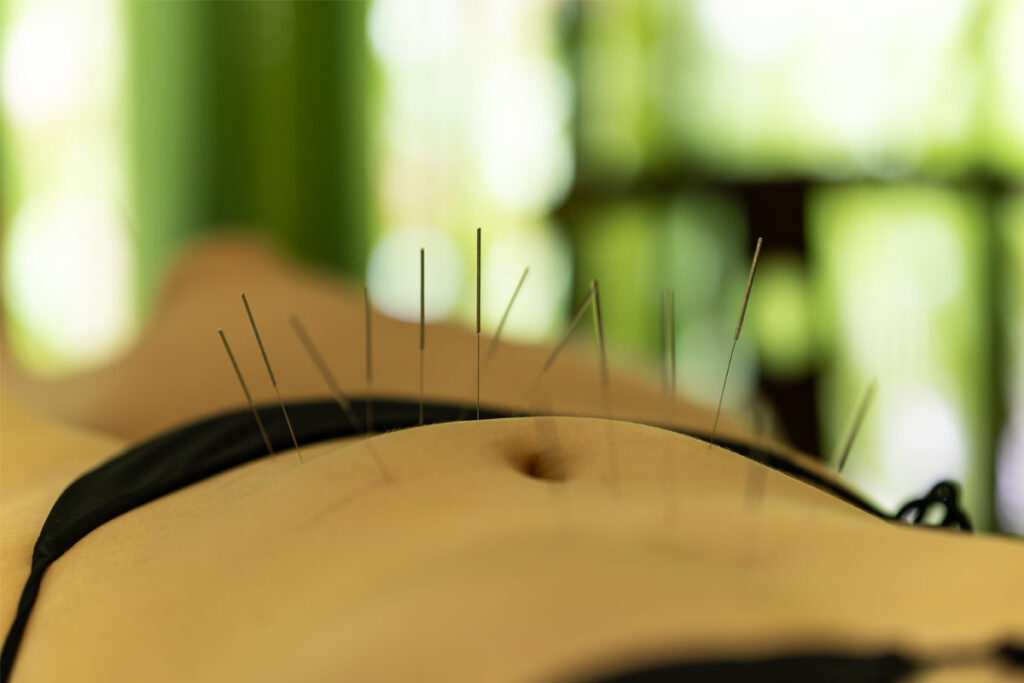
The treatment uses thin needles placed at specific points to encourage balance. These points are linked to nerves, muscles, and circulation. When they are stimulated, the body responds in ways that support internal regulation.
Over time, this whole-body focus has helped acupuncture move into everyday wellness routines. People are no longer waiting for pain to appear before booking a session. Instead, many use it to support long-term health.
How Acupuncture Stimulates Natural Healing
Acupuncture supports the body’s built-in ability to restore balance by triggering specific internal responses. Rather than forcing change, it encourages the body to do what it is designed to do naturally.
- Activates the Nervous System: Fine needles send signals that help shift the body out of constant stress and into a calmer, regulated state.
- Improves Blood Circulation: Targeted points encourage healthier blood flow, which supports tissue repair and oxygen delivery.
- Reduces Muscle Tension: Gentle stimulation helps tight muscles relax, allowing the body to move and function more comfortably.
- Supports Internal Balance: Each point is selected to work with connected body systems, helping them communicate more effectively.
The Shift from Symptom Relief to Preventive Care
Acupuncture is no longer used only when discomfort becomes hard to ignore. Many people now include it as part of routine care to support balance before problems grow.
- Early Support for Imbalances: Sessions can address subtle signs of stress or tension before they develop into ongoing concerns.
- Focus on Long-term Stability: Regular care helps the body maintain balance rather than repeatedly correcting flare-ups.
- Fits into Busy Routines: Preventive sessions are often easier to schedule than recovery-focused care after symptoms worsen.
- Encourages Health Awareness: This approach helps people stay more in tune with how daily habits affect their well-being.
The Role of Acupuncture in Stress and Mental Well-Being
Stress affects sleep, mood, focus, and energy levels. When left unchecked, it can also affect digestion and immunity. This is why acupuncture is often included in stress-management plans.
Acupuncture sessions are designed to calm the nervous system. The environment itself promotes rest, while the treatment supports relaxation from within. Together, these effects help the body reset.
As stress levels drop, mental clarity often improves. Many people report feeling calmer and more centred after regular sessions. This has increased interest in acupuncture for emotional balance.
Supporting the Nervous System
Acupuncture helps calm the body’s response to daily pressure by supporting nervous system regulation. This allows the body to shift from constant alertness to a more balanced state.
- Calms Stress Signals: Targeted points help reduce overactive nerve responses that keep the body in a constant state of tension.
- Encourages Relaxation Response: Treatment supports the nervous system’s ability to switch from fight-or-flight to rest-and-recover mode.
- Supports Emotional Steadiness: A regulated nervous system makes it easier to manage mood changes and daily stressors.
Effects on Anxiety, Mood, and Sleep
Acupuncture is commonly used to support emotional balance by helping the body settle into a calmer state. When the nervous system is more regulated, daily stress feels easier to manage and rest becomes more consistent.
- Reduces Restlessness: Treatment may help quiet racing thoughts that often make it hard to relax or fall asleep.
- Supports Steadier Mood: A calmer nervous system can help smooth emotional highs and lows throughout the day.
- Improves Sleep Quality: Better relaxation before rest may lead to deeper, more refreshing sleep.
- Enhances Daily Focus: When sleep and mood improve, concentration and mental clarity often follow.
Acupuncture’s Impact on Digestive and Internal Health
Digestive health plays a key role in energy and immunity. When digestion is off, many other systems are affected. Acupuncture offers a supportive option for restoring balance.
Rather than targeting one symptom, treatment considers how digestion connects to stress and circulation. This wider view helps explain why some people see improvements over time. Consistency is often part of this process.
Internal balance is not achieved overnight. However, regular care can help the body respond more efficiently. This gradual improvement is one reason acupuncture remains popular.
Supporting Gut Function
Acupuncture can support digestive balance by addressing how stress and nerve signals affect the gut. When the body is calmer, digestion often works more smoothly.
- Regulates Digestive Movement: Targeted points may help normalize how quickly or slowly food moves through the digestive system.
- Supports Appetite Balance: Improved gut signalling may help regulate hunger and fullness cues.
- Encourages Better Energy Use: When digestion improves, the body can absorb nutrients more efficiently, supporting steadier energy levels.
Hormonal and Metabolic Support
Hormones and metabolism influence how the body uses energy, manages stress, and maintains daily rhythm. Acupuncture supports regulation by helping body systems communicate more clearly.
- Supports Hormonal Signalling: Targeted points may help improve communication between the nervous system and hormone-regulating glands.
- Encourages Metabolic Balance: Better internal regulation can support how the body processes energy throughout the day.
- Helps Manage Fatigue: By supporting circulation and nerve response, acupuncture may reduce feelings of ongoing tiredness.
Immune System Support and Overall Resilience
A strong immune response depends on balance within the body. Stress, poor sleep, and digestion can weaken resilience. Acupuncture fits into wellness plans that aim to support these areas.
Sessions often focus on improving circulation and reducing inflammation. These factors play a role in immune function. As a result, acupuncture is often used seasonally or year-round.
Rather than replacing medical care, it complements healthy habits. This supportive role helps explain its continued growth in wellness settings.
Reducing Inflammation Naturally
Inflammation is the body’s response to stress or irritation, but when it lingers, it can affect comfort and mobility. Acupuncture supports balance by encouraging healthier internal responses rather than suppressing symptoms.
- Improves Blood Flow: Increased circulation helps deliver oxygen and nutrients that support tissue recovery.
- Calms Stress-related Triggers: By easing nervous system tension, acupuncture may reduce inflammation linked to chronic stress.
- Supports Tissue Repair: Better circulation allows the body to clear waste products that contribute to ongoing irritation.
- Encourages Balanced Immune Response: Regulated signalling helps the body respond to inflammation without overreacting.
Strengthening the Body’s Defense Systems
Acupuncture can help the body respond more effectively to daily stressors and environmental challenges. By supporting internal balance, it encourages overall resilience rather than focusing on a single issue.
- Enhances Immune Signalling: Treatment may help immune cells communicate more efficiently to respond to threats.
- Promotes Steady Recovery: Balanced circulation and nervous system activity support faster recovery from minor illnesses or fatigue.
- Reduces Susceptibility to Stress-related Setbacks: A calmer, regulated system is less likely to be disrupted by daily pressures.
Acupuncture in Modern Integrative Healthcare
Acupuncture is increasingly included as part of broader healthcare routines. It works alongside conventional treatments to support overall health rather than replace medical care. This approach reflects a growing focus on coordinated, patient-centred wellness.
- Supports Recovery and Comfort: Acupuncture can ease side effects, reduce tension, and help the body recover more smoothly during treatment plans.
- Encourages Coordinated Care: Sharing information with healthcare providers ensures treatments complement each other for better results.
- Builds Patient Confidence: Awareness and education about acupuncture make it easier for people to choose care that fits their health goals.
- Expands Accessibility in Wellness Settings: More clinics now offer acupuncture as part of holistic care routines, showing increasing acceptance in mainstream healthcare.
- Integrates with Preventive Strategies: Acupuncture is often combined with lifestyle and wellness plans to help maintain long-term balance and reduce future health concerns.
Who Can Benefit from Acupuncture
Acupuncture can support people of all ages and lifestyles by addressing stress, balance, and overall wellness. Treatments are tailored to individual needs, making it flexible for a wide range of goals. Its ability to adapt over time allows people to include it as part of both preventive care and ongoing support.
- Busy Professionals: Acupuncture can help manage stress, improve focus, and support better sleep despite demanding schedules.
- Aging Adults: It supports mobility, circulation, and overall vitality, helping maintain daily comfort and independence.
- Individuals with Digestive or Hormonal Concerns: Sessions may help regulate internal systems for steadier energy and overall balance.
- People Managing Stress and Emotional Health: Acupuncture encourages relaxation and steadier moods, supporting mental well-being.
- Those Seeking Preventive Care: Regular treatment can help maintain balance and address minor issues before they become chronic.
Why Interest in Acupuncture Continues to Grow
Acupuncture is gaining attention because more people are looking for care that supports overall well-being. Its flexibility, accessibility, and holistic approach make it appealing for daily life. Growing awareness and long-term wellness goals continue to drive its popularity.
- Broader Wellness Awareness: People are increasingly focused on maintaining balance, not just treating symptoms. This shift has made therapies that support overall well-being, like acupuncture, more appealing to those looking for steady, preventive care.
- Access to Reliable Information: Education and regulation have made acupuncture easier to understand and trust. With more resources and research available, people feel confident integrating it safely into their wellness routines.
- Integration with Daily Routines: Its flexibility allows sessions to fit into busy schedules and preventive care plans. Many people find that even short, regular appointments can support balance and improve daily comfort without disrupting their routine.
- Focus on Long-term Health: Acupuncture supports proactive wellness, helping prevent minor issues from becoming chronic. By addressing subtle imbalances early, it encourages a consistent approach to maintaining health over time.

Refresh Your Mind and Body with Acupuncture in Oshawa
If you are considering acupuncture as part of your wellness routine, PARC of Ontario offers supportive care in a calm setting. Our approach focuses on understanding your needs and creating a plan that fits your goals. To learn how acupuncture in Oshawa can support stress management, balance, and overall well-being, call us today at (905) 579-9938.