“No Pain, No Gain” and Other Dangerous Sports Injury Myths
“No pain, no gain” is a cornerstone of athletic lore, often praised for its call to push boundaries. Yet, this celebrated idea, when misunderstood, can seriously harm your body. Many common views on sports, discomfort, and injury are actually damaging fictions that cause severe harm, lengthen recovery, and cut athletic careers short. It’s time to uncover these risky ideas and champion a safer, smarter way to train and heal for every athlete.
The Most Dangerous Mantra: “No Pain, No Gain”
The idea that you must push through agony to achieve results is arguably the most pervasive and damaging myth in sports. This belief encourages athletes to ignore critical signals from their bodies, often turning minor discomfort into serious injury. Understanding the difference between healthy discomfort and harmful pain is crucial for any athlete.
When people utter “no pain, no gain,” they often conflate the sensation of muscle soreness with the sharp, acute feeling of injury pain. Muscle soreness, medically known as Delayed Onset Muscle Soreness (DOMS), typically appears 24-48 hours after exercise and is a sign of muscle adaptation, not damage. It feels like a dull ache or stiffness. Injury pain, on the other hand, is usually sudden, sharp, localized, and persists or worsens with movement. It’s your body’s alarm system, signaling that something is wrong. Ignoring this alarm is akin to driving with a flashing check engine light – eventually, your engine will seize. Pushing through true injury pain can lead to anything from stress fractures and muscle tears to chronic pain conditions and even permanent disability. Prioritizing performance over well-being can set you back far more than taking a temporary break.
RICE Isn’t Always the Best Immediate Treatment
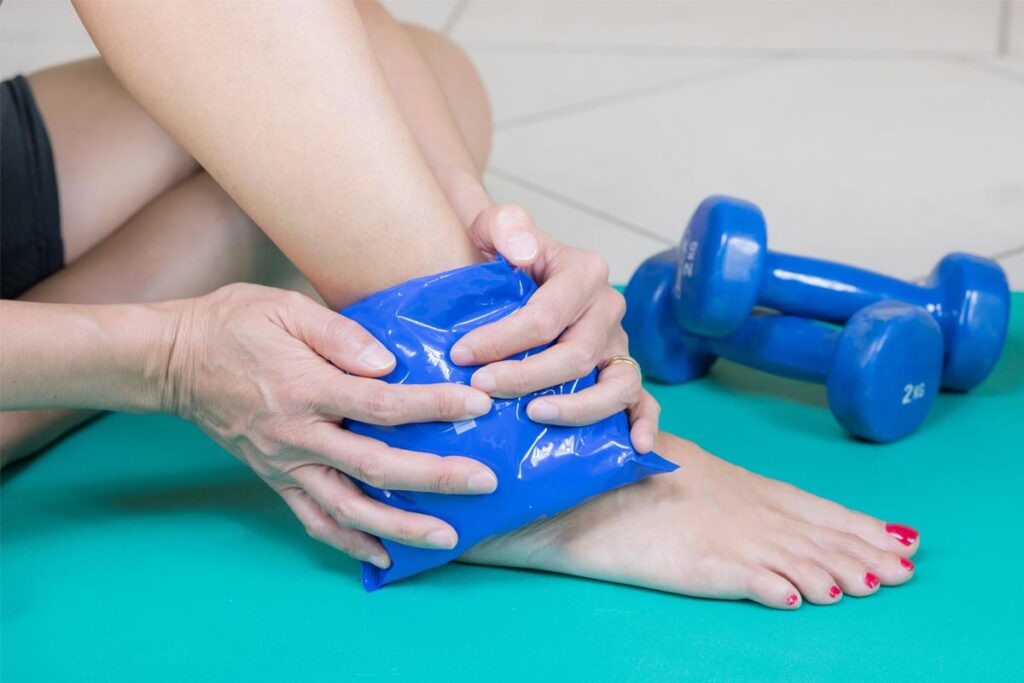
For decades, the R.I.C.E. protocol—Rest, Ice, Compression, Elevation—has been the standard first-aid response for acute sports injuries. While it has its place, relying solely on RICE can sometimes hinder the natural healing process. Modern sports therapy has evolved, offering more nuanced and effective approaches.
The traditional R.I.C.E. protocol focuses primarily on minimizing inflammation and pain. However, recent research suggests that some inflammation is a necessary part of the body’s healing cascade. Completely suppressing it might delay recovery. For instance, prolonged immobilization (Rest) can lead to muscle atrophy and joint stiffness, slowing down the return to activity. Excessive icing (Ice), while reducing pain and swelling, can also constrict blood vessels, potentially limiting the delivery of essential healing cells to the injured area.
The evolution from R.I.C.E. to P.O.L.I.C.E. (Protection, Optimal Loading, Ice, Compression, Elevation) and even PEACE & LOVE (Protection, Elevation, Avoid Anti-inflammatories, Compression, Education, and Load, Optimism, Vascularization, Exercise) highlights a shift towards promoting early, controlled movement. Optimal Loading involves gradually reintroducing movement and weight-bearing activities that stimulate tissue repair without causing further damage. This approach, guided by a professional, helps maintain mobility, prevent muscle loss, and accelerate the strengthening of injured tissues. It’s about finding the sweet spot between protecting the injury and encouraging its repair.
Stretching Doesn’t Prevent All Injuries
Many athletes diligently perform static stretches before activity, convinced it’s their perfect defense against injuries. While flexibility is important for overall athletic performance, the role of static stretching in injury prevention, especially as a pre-activity routine, is often misunderstood and overstated. A proper warm-up involves much more.
The belief that extensive static stretching (holding a stretch for 30 seconds or more) before exercise prevents injuries is a widespread misconception. Studies have shown that static stretching immediately prior to high-intensity activities can actually reduce muscle power and performance, and in some cases, might even increase the risk of certain injuries if done excessively or incorrectly.
The reason lies in how static stretching affects muscle elasticity and neurological feedback. Instead, the focus for injury prevention should be on dynamic warm-ups. These involve active movements that mimic the upcoming activity, like leg swings, arm circles, and torso twists.
Dynamic warm-ups increase blood flow to muscles, raise core body temperature, improve joint mobility, and activate the nervous system, preparing the body for the specific demands of the sport. While flexibility remains a key component of athletic health, it’s addressed through dedicated flexibility sessions or static stretching after exercise, when muscles are warm and more pliable.
Ultimately, a comprehensive injury prevention strategy also heavily relies on strength and conditioning, ensuring muscles are strong enough to withstand the forces placed upon them during sport.
You Can’t Just “Walk Off” or “Play Through” Minor Injuries
The athletic world often glorifies toughness, leading to the dangerous notion that minor aches and pains should simply be ignored or pushed through. This mindset, however, often transforms small, manageable issues into significant, long-term problems. Dismissing early warning signs can have severe consequences.
Many athletes believe that a slight twinge, a dull ache, or minor stiffness will simply “go away” if they continue training or competing. They might try to “walk off” a minor ankle sprain during a game or “play through” the early stages of tendonitis. This approach is incredibly risky. What starts as a minor irritation—a small muscle strain, the beginnings of shin splints, or an irritated tendon—can rapidly escalate into a chronic condition, a complete tear, or a stress fracture if subjected to continued stress.
Pain is a signal, not an inconvenience. Ignoring these early signals is like ignoring a small crack in a dam; eventually, it will lead to a catastrophic collapse. Early intervention is key: addressing symptoms when they are minor often requires less aggressive treatment and significantly shorter recovery periods. This might involve modifying training, applying specific self-care techniques, or seeking immediate professional assessment.

Unlock Your Peak Performance at PARC of Ontario
At PARC of Ontario, we believe in empowering athletes with the knowledge and care they need to achieve their goals safely and effectively. If you’re experiencing pain, recovering from an injury, or simply want to optimize your performance and prevent future setbacks, our team of dedicated professionals is here to guide you. Don’t let myths hold you back; let us help you reach your full potential with personalized sports therapy in Whitby. Call us today at (905) 579-9938 to schedule your consultation and take the first step towards a healthier, stronger you.