How to Choose the Right Footwear to Prevent Ankle Sprains
Statistics from Statistics Canada indicate that lower limb injuries are a frequent cause of physical limitations among active adults. A sudden twist or a loss of balance on uneven ground can lead to a ligament tear in seconds. These injuries often happen during simple daily tasks or recreational sports when the foot rolls inward unexpectedly.
Shoes serve a purpose far beyond aesthetics or social trends. They act as the primary interface between the human body and the ground, providing essential structural support for the subtalar joint. Selecting footwear based on stability, fit, and activity type can significantly reduce the risk of inversion injuries. Proper equipment ensures the bones and ligaments of the foot remain in their natural alignment during movement.
The Role of Proper Footwear
Footwear serves as a protective foundation that manages how forces travel through the lower leg. Choosing the correct orthopaedic support shoes helps distribute weight evenly and prevents the foot from tilting at dangerous angles. The following points explain how specific shoe designs influence physical safety.
- Heel Counter Stability
A firm heel counter is the stiff cup at the back of the shoe. It holds the calcaneus in place to prevent excessive shifting. By securing the back of the foot, the shoe reduces the chance of the ankle rolling during quick side-to-side movements or sudden stops.
- Midsole Density and Cushioning
The midsole provides the necessary shock absorption to protect joints from hard surfaces. A dense midsole prevents the shoe from collapsing under pressure, which maintains a level platform for the foot. This structural integrity is vital for individuals who have a history of chronic ankle instability.
- Outsole Width and Flare
Shoes with a slightly wider outsole or a lateral flare provide a broader base of support. This extra width makes it harder for the foot to tip over the edge of the shoe. A stable base is particularly helpful when walking on grass or gravel paths.
- Arch Support Mechanics
Proper internal contouring prevents the foot from over-pronating or supinating. When the arch is supported, the entire kinetic chain from the foot to the knee stays aligned. This alignment reduces the strain on the lateral ligaments that are usually damaged during a common lateral ankle sprain.
- Torsional Rigidity Standards
A shoe should resist twisting through the middle section. If you can easily wring a shoe like a towel, it lacks the strength to protect your foot. Torsional stiffness ensures that the shoe moves with the foot rather than letting the foot twist independently inside it.
- Collar Height and Padding
While high-top shoes do not entirely stop sprains, the padded collar provides sensory feedback to the brain. This feedback, known as proprioception, helps the wearer stay aware of their foot position. Increased awareness allows for faster muscle reactions when a slip or a trip occurs.
Matching the Shoe to the Activity
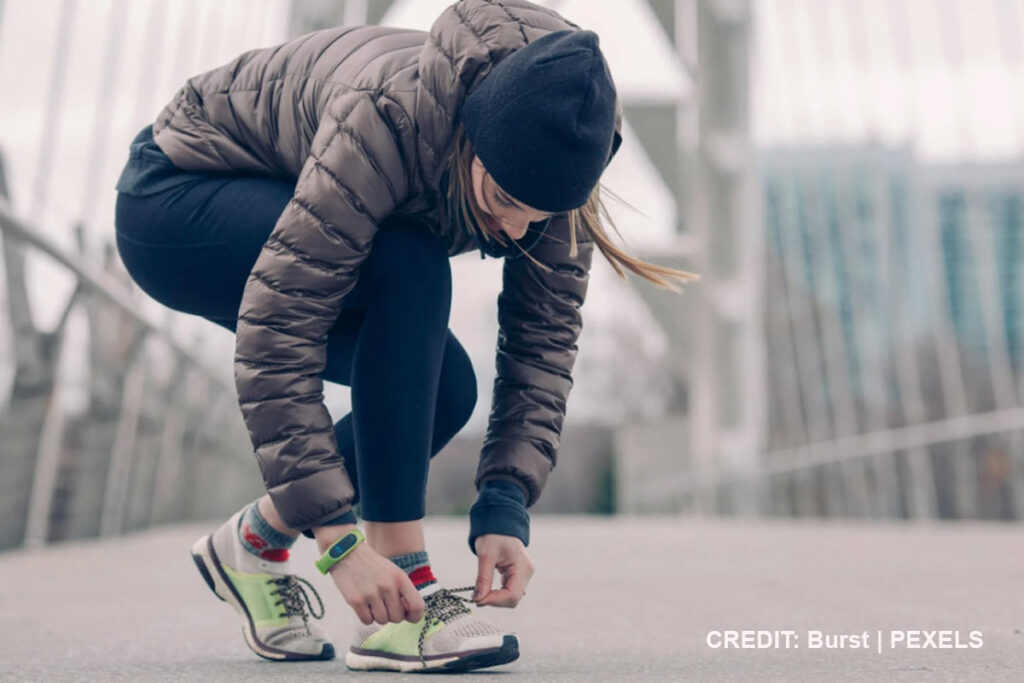
Every physical task places different demands on the musculoskeletal system. Wearing a shoe designed for a specific motion ensures that the footwear for injury prevention matches the forces involved. Using the wrong equipment for a sport significantly increases the likelihood of a mechanical failure.
- Running and Linear Motion
Running shoes are built for forward movement and typically have higher heel-to-toe drops. They focus on absorbing vertical impact rather than providing lateral reinforcement. Using these for sports like tennis or basketball can be risky because they lack the side-wall strength needed for quick cuts.
- Court Sports and Lateral Movement
Tennis, volleyball, and basketball shoes feature reinforced uppers and flat, grippy outsoles. These designs are meant for frequent changes in direction and heavy lateral loads. The thick rubber wrap-around prevents the foot from sliding off the footbed during a sharp, high-speed turn or a pivot.
- Hiking and Uneven Terrain
Boots for trail walking feature deep lugs for traction and stiff shafts for mechanical support. These are essential for preventing ankle rolls on loose rocks or slippery mud. The rugged construction protects the foot from external impacts while keeping the ankle joint in a neutral position.
- Walking and Daily Use
Daily walking shoes should prioritize a flexible forefoot and a stable heel. Since walking involves a repetitive heel-to-toe roll, the shoe must support this motion without being too heavy. Consistent support during daily errands prevents the cumulative fatigue that often leads to accidental trips and falls.
Key Features to Look For
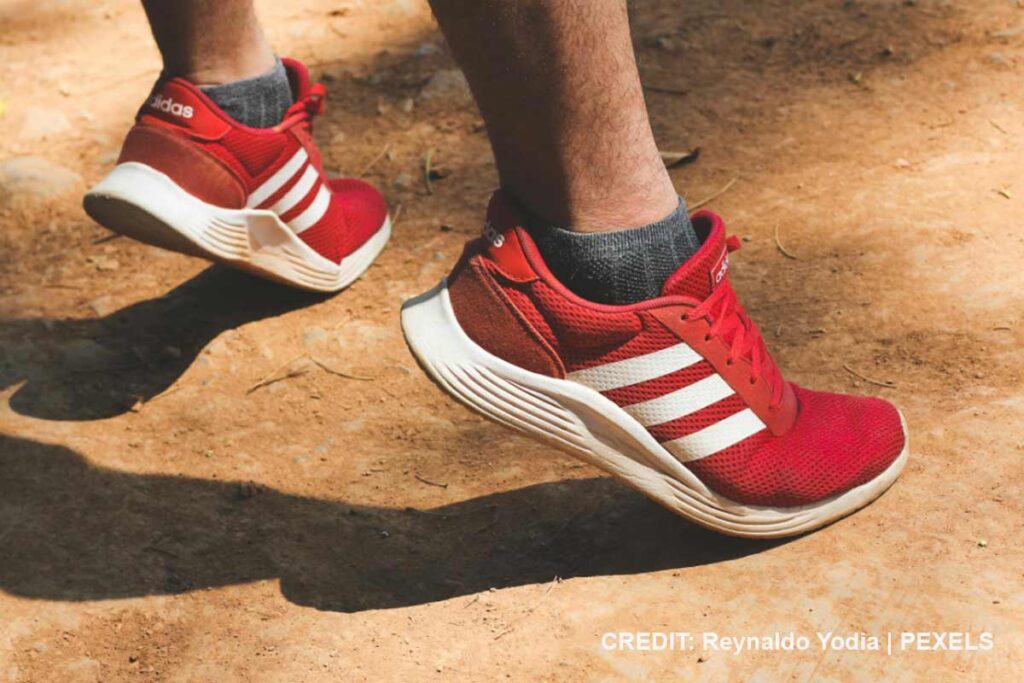
When shopping for new shoes, specific physical traits indicate whether the product will offer enough protection. You should check the structural footwear integrity by performing a few simple tests in the store. These features determine if the shoe will hold up under the stress of daily activity.
- The Flex Test
A quality shoe should only bend at the ball of the foot where your toes naturally crease. If the shoe folds in the middle of the arch, it will not provide enough support. A rigid midfoot ensures the plantar fascia and the ankle ligaments are not overstretched.
- The Squeeze Test
Press on both sides of the heel cup at the same time. It should feel firm and resist collapsing inward. A soft heel counter allows the foot to slide around, which is a leading cause of ligamentous laxity issues over a long period of time.
- Removable Insoles for Orthotics
Check if the factory liner can be removed. This is important for people who need custom foot orthotics to correct their gait. Being able to swap the insole ensures that the medical device fits perfectly without making the shoe feel too tight or shallow.
- Breathable Upper Materials
Materials like leather or high-quality mesh provide a balance of durability and airflow. A secure fit requires the upper to hold the foot snugly without stretching out too quickly. Sturdy materials prevent the foot from “spilling” over the side of the sole during a pivot.
- Secure Lacing Systems
Look for shoes with enough eyelets to allow for a “heel lock” lacing pattern. This technique pulls the foot back into the heel cup and prevents the toes from sliding forward. A secure lace-up system is a simple way to improve ankle joint stabilization immediately.
- Adequate Toe Box Room
There should be about a centimetre of space between your longest toe and the end of the shoe. If the shoe is too tight, it alters your natural balance and gait. A proper toe box allows the toes to splay, providing a more natural and stable platform.
Selecting the right footwear is a practical step toward maintaining long-term mobility. By focusing on heel stability, midsole strength, and activity-specific designs, you can protect your ligaments from unnecessary strain. Regular checks of your shoe wear patterns will also help you identify when it is time for a replacement. Consistent support is the most effective way to manage your physical health and avoid the pain of a sudden injury.
If you are recovering from an injury or need help choosing the right support for your feet, professional guidance is available. For personalized assessments and treatment plans, reach out to the Physiotherapy and Rehabilitation Centres (PARC) of Ontario. You can contact PARC of Ontario at our various locations: (416) 445-2075 or (416) 430-0314 [Scarborough], (905) 897-2092 [Mississauga], (905) 686-9081 [Ajax], (905) 430-2112 [Whitby], and (905) 579-9938 [Oshawa].