How Can Custom Orthotics Support Better Balance as You Age?
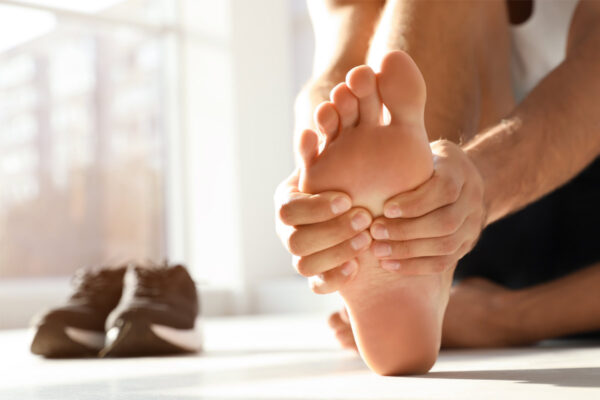
Balance often changes with age, even for people who remain active and mobile. Small shifts in posture, muscle strength, and foot structure can slowly affect how steady daily movement feels. These changes may not be obvious at first, but they can influence walking, standing, and overall confidence. Custom orthotics help support balance by improving foot alignment and stability from the ground up.
Why Custom Orthotics Matter for Balance as You Age
Balance starts at the feet, and even small changes there can affect how steady you feel. As the body ages, foot structure and movement patterns often shift without being obvious at first. Custom orthotics help address these changes early by improving how the feet support the rest of the body.
- Create a Stable Base for Movement: Custom orthotics help the feet make better contact with the ground, which improves overall stability. This steady base allows the body to move with more control during walking and standing.
- Correct Subtle Alignment Issues: Even minor foot misalignment can affect balance over time. Custom orthotics guide the feet into a more neutral position, helping weight move through the body more evenly.
- Support Changing Foot Structure with Age: Foot arches often lower and spread as people get older. Custom orthotics provide structured support that adapts to these changes and reduces uneven pressure.
- Reduce the Effort Needed to Stay Balanced: When the feet are properly supported, the body does not need to compensate as much. This helps conserve energy and lowers the chance of feeling unsteady during daily activities.
Together, these benefits help improve balance in a practical and consistent way. By supporting the feet where movement begins, custom orthotics contribute to safer walking, better posture, and greater confidence as you age.
How Balance Changes with Age
As we get older, the body’s systems that help maintain balance start to respond more slowly. Muscle strength, joint flexibility, vision, and nerve signals all play a role in how steady we feel. Changes in any of these areas can make walking, turning, or standing on uneven surfaces more challenging.
- Muscle Strength Naturally Decreases: Leg and core muscles that support balance can weaken over time. This reduces the ability to react quickly to shifts in weight or sudden movements.
- Joint Movement Becomes Stiffer: Age can cause joints in the ankles, knees, and hips to lose flexibility. Stiffer joints limit the body’s range of motion, making it harder to adjust while walking or standing.
- Sensory Feedback Slows Down: Nerves in the feet and legs may become less sensitive with age. This means the body receives less precise information about position, which can affect balance.
- Foot Structure Changes: Arches may flatten and padding in the feet may wear down over time. This reduces natural shock absorption and alters how weight is distributed when standing or walking.
The Role of Foot Alignment in Maintaining Stability
Foot alignment is a key factor in how the body maintains balance. Even small shifts in how the feet land can affect the ankles, knees, hips, and spine. Over time, these misalignments can cause unsteady steps and increase the risk of falls.
- Proper Weight Distribution: Correct foot alignment ensures that weight moves evenly through the lower body. This reduces strain on joints and allows the body to respond smoothly to changes in movement or terrain.
- Reduces Compensatory Movements: When the feet roll inward (overpronation) or outward (supination), the body adjusts in ways that can affect balance. These compensations can lead to fatigue, uneven gait, and increased instability.
- Supports Joint Efficiency: Aligned feet allow the ankles, knees, and hips to move in coordination. This improves overall control during walking, turning, or standing on uneven surfaces.
- Enhances Stability During Movement: A well-aligned foot provides a solid base for balance and motion. Each step becomes more controlled, reducing the likelihood of slips or missteps.
Maintaining proper foot alignment is essential for steady, confident movement. By supporting the feet in the correct position, custom orthotics help the body maintain balance naturally and reduce the stress that can lead to instability.
How Custom Orthotics Improve Sensory Feedback and Body Awareness
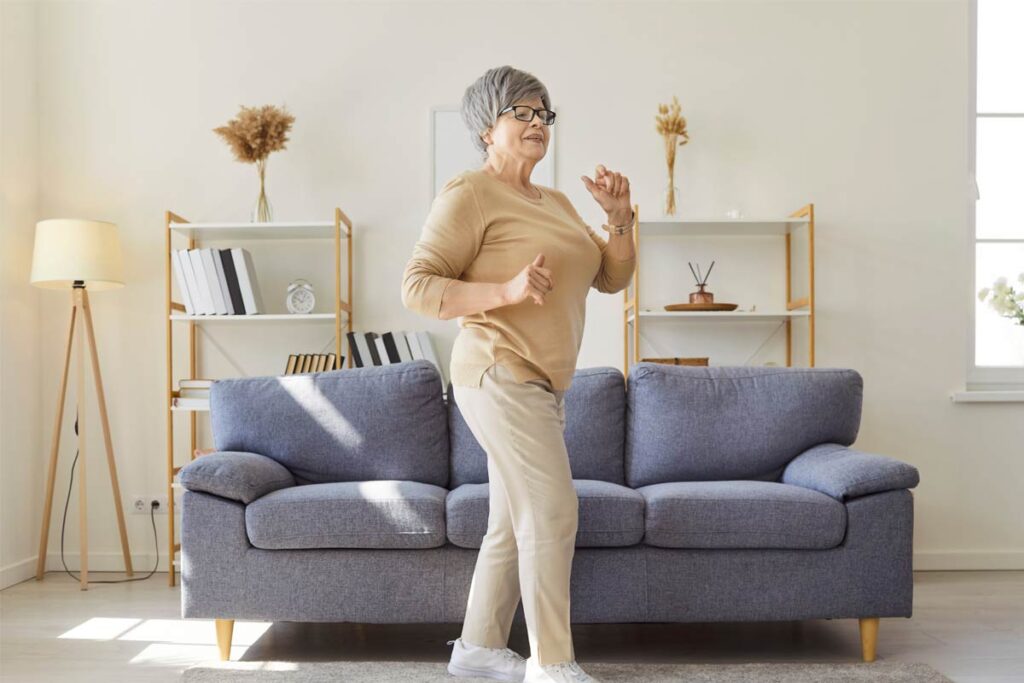
Balance depends on the brain receiving accurate signals from the feet, a sense known as proprioception. As people age, this sensory feedback can become less precise, making it harder to stay steady. Custom orthotics can enhance the connection between the feet and the ground, helping the body respond more effectively to movement.
- Enhances Foot-Ground Contact: Custom orthotics provide support that helps the entire foot make consistent contact with the ground. This stability improves the quality of sensory signals sent to the brain, which is vital for balance.
- Improves Body Awareness: By supporting proper foot positioning, orthotics help the body understand where it is in space. This awareness allows for quicker adjustments to prevent missteps or stumbles.
- Supports Reflexive Responses: Accurate feedback from the feet enables the muscles to react faster when balance is challenged. This can reduce the likelihood of falls during sudden shifts in movement.
- Encourages Smoother Movement Patterns: When the feet are supported, walking and standing become more controlled. This consistent feedback helps reinforce natural movement over time.
Improving sensory feedback through custom orthotics strengthens coordination and stability. With better awareness of foot placement, the body can adapt more easily to changes in surface or motion, making daily movement safer and more confident.
Who Can Benefit Most From Custom Orthotics for Balance
Balance changes often happen gradually, and many older adults may not notice them until they affect daily life. Even small improvements in stability can increase confidence and independence. Custom orthotics provide targeted support to address these subtle shifts and make movement safer.
- Older Adults Experiencing Unsteadiness: As people age, small declines in muscle strength and foot structure can reduce stability. Custom orthotics help improve foot support, making walking, standing, and turning safer and more controlled.
- People with Arthritis or Joint Discomfort: Arthritis can affect the knees, hips, and ankles, leading to uneven weight distribution. Orthotics help reduce joint stress and provide a stable foundation, which can make moving less painful and improve balance.
- Individuals with Diabetes or Neuropathy: Diabetes can affect sensation in the feet, making it harder to detect changes in terrain. Custom orthotics support proper alignment and improve contact with the ground, helping the body respond more accurately to movement.
- Those Recovering from Lower-Body Injuries: Injuries to the foot, ankle, or leg can leave lingering instability. Orthotics provide targeted support that corrects imbalances and encourages safer walking patterns.
- Active Seniors Seeking Independence: Even healthy seniors may face minor balance issues that limit confidence. Orthotics allow them to maintain mobility, perform daily activities safely, and stay active longer.
Support Your Feet, Support Your Balance at PARC of Ontario
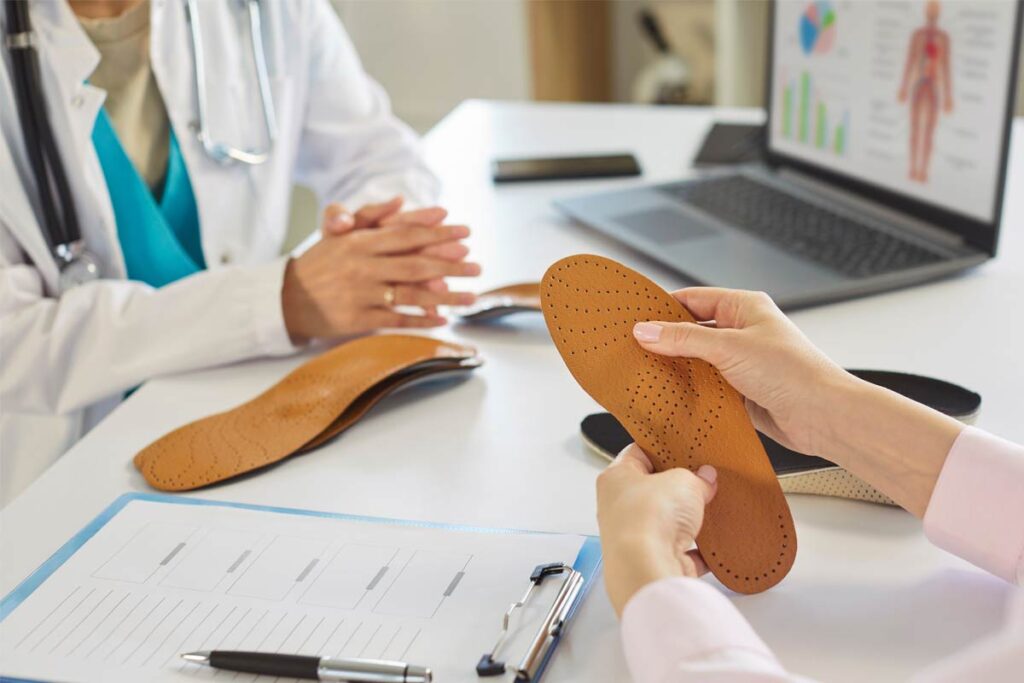
Balance plays a key role in staying active and independent as you age. PARC of Ontario supports individuals looking to improve stability through thoughtful foot care solutions. If you are considering custom orthotics in Scarborough, book a visit with PARC of Ontario to support safer, more confident movement every day. Call us today at 647-352-1100.