A No-Nonsense Guide to Orthotics for People Who Hate Wearing Them
Many people are told they need orthotics, only to find themselves frustrated soon after. The fit may be uncomfortable, the feel unnatural, or the price simply too high. Wearing them can feel like a chore rather than a solution. If orthotics make your day harder instead of easier, it’s time to rethink how they’re used and what alternatives might work better.
Why Orthotics Are Prescribed in the First Place
Orthotics are inserts that go into shoes to support how feet move and carry body weight. They are often recommended to help with foot, leg, or back pain. Orthotics can help ease pressure and reduce pain caused by poor foot mechanics.
Doctors and specialists usually suggest orthotics when there’s a clear issue with how your foot functions. For example, if your arch collapses when you walk or one leg works harder than the other, an orthotic may balance the load. They are also used for long-term conditions like plantar fasciitis or arthritis, where alignment support can reduce strain. Orthotics help your body move more evenly and avoid worsening pain in other joints. However, while they help some people, they don’t work for everyone—where frustration begins.
What People Hate About Wearing Orthotics
Orthotics are supposed to make life easier, but many users find them annoying or uncomfortable. From awkward shoe fits to a stiff walking experience, the downsides can outweigh the benefits. It’s no wonder some people stop using them after a few weeks.
- They Don’t Fit in Normal Shoes
Most orthotics are thick, so you can’t just slip them into your favourite shoes. You may need larger shoes or special brands with enough room to hold them. This often limits your footwear options to bulky sneakers or orthopedic styles. It can feel like trading foot pain for fashion problems.
- They Feel Unnatural
Orthotics change how your foot makes contact with the ground. Some people feel off-balance or awkward, especially when the arch support feels too high. It can take weeks to adjust, but some never do. That stiff or “foreign” feeling can make daily walking unpleasant.
- They’re Expensive
Custom orthotics can cost anywhere from $300 to $800, depending on who makes them. This is a big financial burden for many people, especially if they need replacements every couple of years. And if they don’t work, it feels like a waste of money. Some insurance plans help, but not everyone qualifies.
- They Limit Barefoot Time
If you enjoy being barefoot at home or like minimalist footwear, orthotics feel like a step back. You lose the freedom to move naturally, which can be frustrating. Having to rely on shoes and inserts all day can weaken your feet. That loss of control is hard to accept.

How to Make Orthotics More Bearable
If you’ve been told to wear orthotics, there are ways to make them more tolerable. The key is making small adjustments to how and when you use them. You may find they’re not as bad as they seem with a few simple changes.
- Choose the Right Shoes
Orthotics work best in shoes designed to hold them. Look for shoes with deep heel cups, removable insoles, and extra width. If your shoes are too tight, the orthotics won’t sit properly and may cause more harm than good. Supportive shoes give your orthotics a proper base.
- Break Them in Gradually
Don’t try to wear your orthotics all day right from the start. Begin with 1–2 hours and slowly increase the time each day. This allows your feet, ankles, and legs to adjust to the new posture. It’s similar to how you’d break in a new pair of shoes.
- Ask for a Refit
If your orthotics still hurt after a few weeks, they might not be made correctly for your needs. Visit the clinic that gave them to you and request a refit or adjustment. Sometimes, a slight change in shape or padding makes a big difference. You deserve a device that supports your body, not works against it.
- Use Them Only When Necessary
Orthotics aren’t always meant to be worn 24/7. Some people only need them during high-impact activities or work hours. Taking breaks gives your feet time to strengthen on their own. This can lead to better long-term results without full dependence.
Alternatives to Traditional Orthotics
Not everyone wants to—or should—stick with orthotics forever. Other options can support your feet and body without the same downsides. These alternatives may also help you transition away from full-time orthotic use.
- Supportive Footwear
Some shoes come with built-in support and don’t need inserts. Brands like New Balance, Brooks, or Asics often have models for flat feet or high arches. These shoes help align your stride and cushion your steps. A good pair of shoes can reduce or even replace the need for orthotics.
- Foot Strengthening Exercises
Exercises that build muscles in the foot and ankle can restore natural movement. Try towel scrunches, toe spreads, or balancing on one leg to start. Over time, stronger feet need less outside support. This approach may take longer but leads to lasting changes.
- Barefoot or Minimalist Training (With Caution)
Some people improve their foot mechanics by walking barefoot or using minimalist shoes. Start slow and only on safe surfaces, like grass or carpet. This helps re-activate the muscles that orthotics often replace. However, consult a professional before making a major change.
When Orthotics Aren’t Working
Orthotics should make you feel better, not worse. Something isn’t right if your pain hasn’t improved or has shifted to your knees, hips, or back. You may be treating symptoms instead of solving the real issue.
In many cases, the foot problem is only part of the story. Misalignment in your hips, pelvis, or spine can affect how you walk and how much pressure your feet absorb. If these other issues aren’t addressed, orthotics will never feel quite right. That’s when it’s time to look at the body as a whole.
Where Chiropractic Care Fits In
Chiropractic care helps your body move the way it’s supposed to. It looks at how everything connects—your spine, hips, knees, and feet. When your body is balanced, your feet don’t have to work as hard to hold you up.
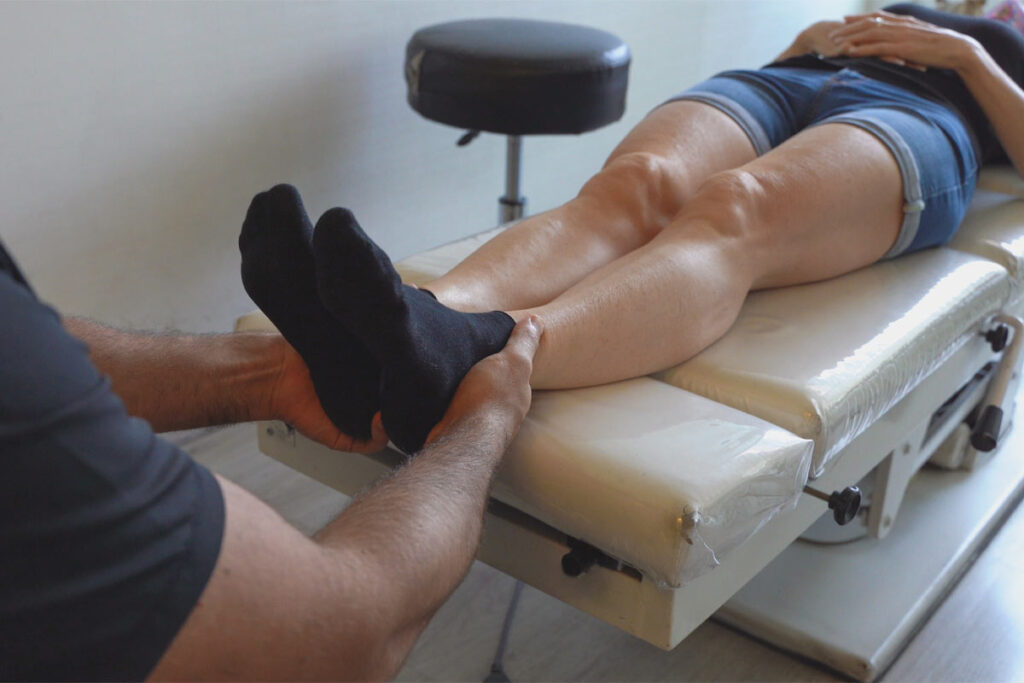
A chiropractor can assess your gait, joint motion, and posture. They use hands-on adjustments to correct misalignments that throw off your walking pattern. This helps reduce pressure on your feet, making orthotics feel more comfortable or less necessary. Pain relief often comes from fixing the body’s foundation, not just the feet.
Combining Chiropractic Care with Orthotics
Chiropractic care and orthotics can work well together if used the right way. When your spine and joints are aligned, orthotics can support your natural posture instead of fighting it. This makes both treatments more effective.
Some chiropractors in Scarborough also provide orthotic assessments and know how to recommend inserts based on your full-body needs. Instead of just correcting your feet, they look at the way your whole body moves. This kind of integrated care offers better results over time. You may even find that you don’t need orthotics as often—or at all.
Quick Tips for People Who Still Hate Orthotics
You’re not alone if orthotics feel like more trouble than they’re worth. Many people find them hard to wear, even when they understand the benefits. Finding what works for your body is not just following one-size-fits-all advice.
Treat orthotics like any other tool: proper when needed, but not something to rely on forever. Mix them with other support forms, like exercise, better shoes, or chiropractic care. If something doesn’t feel right, speak up and ask for help. Your comfort matters just as much as the science behind the insert.
PARC of Ontario: Custom Orthotics in Scarborough Done Right
If you’re tired of clunky inserts and want something that actually works, PARC of Ontario is here to help. We offer custom orthotics in Scarborough that are designed with your full-body alignment in mind—not just your feet. Our team includes chiropractors who work with you to assess your posture, gait, and lifestyle. You’ll walk out not only with a better fit but a better plan for lasting relief.
Book your consultation today at (647) 352-1100 and let’s find a solution that finally feels right.
Frequently Asked Questions
1.Can I buy orthotics over the counter instead of getting custom ones?
Yes, but over-the-counter orthotics are designed for general use and may not address specific foot issues. Custom orthotics are tailored to your unique needs and often provide better support and relief.
2. How long do custom orthotics last?
Most custom orthotics last between 2 to 5 years. This depends on how often you wear them and the quality of materials used.
3. Do orthotics help with knee or back pain?
They can. By improving foot alignment, orthotics can reduce pressure on your knees, hips, and lower back.
4. Should kids wear orthotics?
Children with foot problems like flat feet or gait issues may benefit from orthotics. A healthcare provider can assess if they’re necessary.
5. Can orthotics be transferred between shoes?
Yes, as long as the shoes have similar shapes and enough space. However, some orthotics are made for specific types of footwear.